 BUTTER-C
Signature ingredients
Niacinamide & zinc serum OEM/ODM manufacturing
Niacinamide & Zinc Serum · OEM/ODM
Niacinamide (the amide form of vitamin B3) and zinc are a very familiar pair in oily-skin care, and a pair often turned into sales numbers: “10%”, “zinc 1%”. A niacinamide & zinc serum developed by Butter-C starts from the data. Niacinamide has been tested in humans at 2–5%: a 2% cream reduced the sebum excretion rate after 2 and 4 weeks in Japanese subjects, and 2–5% creams helped skin look more even after 4 weeks. Zinc PCA is a zinc salt used for many years for its astringent properties, but its own data are limited, and zinc is capped at 1% calculated as zinc (ASEAN Annex III, Ref 24) — the amount has to be converted from the zinc content of the raw material. Unlike a multi-active blemish serum with BHA, this is an acid-free serum with a near-skin pH, two assayed actives, and a claim that stops at “helps reduce the look of shine” once tested on the finished product. Butter-C offers full-service OEM/ODM manufacturing, from raw material selection and formula development to a labeled finished product with its cosmetic product notification.
Formula base
Two actives, each with a number that must be right
A niacinamide & zinc serum consists of the two named actives, a light hydrating base and a thickening system that tolerates zinc ions. Both actives go into the water phase; the deciding figures are a niacinamide level backed by data and the converted amount of zinc.
Niacinamide 2–5%
The range tested in humans: a 2% cream reduced the sebum excretion rate in 100 Japanese subjects after 2 and 4 weeks (double-blind, placebo-controlled), while in 30 Caucasian subjects surface sebum fell after 6 weeks but the excretion rate was not significantly reduced; 2% (with sunscreen) and 5% creams reduced hyperpigmented areas and increased skin lightness after 4 weeks versus the vehicle. Efficacy data come mainly from leave-on products.
The 10% seen on the market
A market positioning, not a level with efficacy evidence: the sources Butter-C has checked do not show that levels above 5% work better. CIR reports that clinical testing produced no stinging at up to 10%, but non-irritation in use tests is only recorded up to 5%. If you still choose a high level, the formula must be tolerance-tested on volunteers.
Zinc PCA
The zinc salt of L-pyroglutamic acid (PCA), used for many years for its astringent properties. Its own evidence is limited: the two human trials both used multi-ingredient formulas in people with acne; data on reduced sebum secretion concern zinc in general or zinc acetate. The level follows the supplier's technical data sheet, usually no more than 1% (formulation experience) — roughly 0.2% zinc.
Light hydrating base
Glycerin, Butylene Glycol, Panthenol, Sodium Hyaluronate: oily skin still needs water, and over-cleansing or over-astringing can weaken the skin barrier. Niacinamide also has human topical data showing increased stratum corneum ceramides and free fatty acids and reduced transepidermal water loss in dry skin.
Key technical points
Convert the zinc, hold the viscosity, check purity
The four items below are settled before the texture and packaging are chosen; getting one wrong means redoing the dossier.
Zinc conversion under Annex III
Ref 24: water-soluble zinc salts at a maximum of 1% calculated as zinc in the ready-for-use product, adding up all soluble zinc salts; the list of salts is open (footnote 20). Anhydrous Zinc PCA, C10H12N2O6Zn, 321.6 g/mol (PubChem CID 11602214), contains 65.38 / 321.6 ≈ 20.3% zinc, so the cap corresponds to about 4.9% anhydrous Zinc PCA. Hydrated or less pure grades contain less zinc: Butter-C calculates from the zinc percentage on each batch COA (maximum Zinc PCA = 100 ÷ % zinc on the COA, if no other soluble zinc salt is present). The text does not define “water-soluble” — solubility is taken from the technical data sheet and kept in the file.
Niacinamide purity
Niacinamide (nicotinamide) is not niacin (nicotinic acid) and is entirely different from nicotine (Annex II, Ref 246). Each batch COA states purity and impurities, in particular free nicotinic acid; Butter-C selects a grade with this parameter for leave-on products.
pH and incompatibilities
Niacinamide is incompatible with strong acids and alkalis (PubChem); the sources checked give no numeric optimum pH. Exfoliating acids are therefore not put in the same bottle, and a near-skin pH range is settled by stability testing with niacinamide assays. Zinc ions can precipitate in alkaline conditions and bind chelators such as EDTA — a chelator is used only after testing (practice).
Thickeners and nitrosamines
Anionic polymers such as Carbomer can lose viscosity in the presence of zinc ions — Hydroxyethylcellulose, Sclerotium Gum or Xanthan Gum at low levels are preferred, with viscosity measured across stability time points. CIR advises against using PCA and its sodium, potassium, calcium and magnesium salts in products where N-nitroso compounds may form (that assessment does not cover Zinc PCA; Butter-C applies the same caution): secondary-amine ingredients are avoided, and pH is adjusted with a citrate system or Sodium Hydroxide.
Three formulation directions
The same pair of actives, three positioning levels
Core oily-skin serum
Niacinamide 4–5%, Zinc PCA 0.5–1%, a clear, oil-free fluid gel for morning and evening use. For oily and oil-leaning combination skin.
Gentle version for combination and sensitive skin
Niacinamide 2% — the level of the sebum trial — with a low level of Zinc PCA, plus Panthenol, Allantoin and a more hydrating base. For customers new to actives.
High-level version for positioning
Niacinamide above 5% at market request; stinging and tolerance testing on volunteers is mandatory, and no “twice as effective” claim is made. Zinc is still converted per the COA and kept at or below 1% calculated as zinc.
Packaging is designed with the formula
The sources checked do not show meaningful light or oxygen sensitivity for niacinamide, so clear or frosted glass both work; dropper or pump is chosen by viscosity, and gaskets and closures are soak-tested with the samples.
Parameters we monitor
What our R&D lab measures on every sample
Below is the set of parameters Butter-C tracks during formula development and scale-up to production. Specific limits are agreed with you on the approved sample and then written into the product's in-house specification.
- Raw material COA
- Niacinamide: purity, free nicotinic acid. Zinc PCA: % zinc, moisture or hydrate form, water solubility — the basis for the Ref 24 conversion.
- Appearance & clarity
- Color, odor, clarity; watch for haze or a white precipitate that may come from zinc.
- pH
- Measured directly at 25°C; pH drift tracked across stability time points.
- Viscosity
- Rotational viscometer, with spindle and speed recorded; compared before and after aging to catch a polymer thinned by zinc ions.
- Niacinamide content
- HPLC assay at the start and after stability time points; mandatory when a percentage is shown on the label.
- Total zinc
- Zinc assay on the finished product (atomic absorption or ICP — practice) to show it stays within 1% calculated as zinc.
- Stability
- Accelerated aging at 40°C, freeze–thaw cycling and storage at 4°C; watch for precipitation, color change and separation.
- Microbiology & preservative challenge
- Tested at a GLP / ISO 17025-accredited laboratory; preservative efficacy (challenge) test per ISO 11930.
- Tolerance & human measurements
- Irritation and stinging tests before the formula is finalized; claims about sebum or water loss require measurement on the finished product itself.
Claims
Writing claims within the cosmetic scope
Oily-skin products slip easily into pharmaceutical language when talking about breakouts. Butter-C reviews the wording on labels and marketing materials while preparing the cosmetic product notification; below are the phrasings commonly used.
Helps reduce the look of shine, helps control excess oil
Based on human data for 2% niacinamide; must be tested on the finished product before it is used. Instead of: oil-free skin for good, permanently regulates sebaceous glands.
Suitable for oily, combination and blemish-prone skin
Describes the skin type, not an effect on acne. Instead of: claims of an effect on acne or acne bacteria (prevents breakouts, reduces inflamed spots).
Tightens the skin surface, leaves skin feeling fresh
Instead of: permanently tightens pores, shrinks pores.
Helps skin look more even
Data for 2–5% niacinamide over 4 weeks; paired with a sunscreen recommendation. Instead of: erases dark marks, removes post-acne marks.
Supports the skin barrier, helps reduce water loss
Must be tested on the finished product. Instead of: restores damaged skin, regenerates skin.
Concentrations on the label
State the niacinamide percentage when assayed; for zinc, state clearly whether it is % Zinc PCA or % zinc. Instead of: “niacinamide 10% works twice as hard”, “zinc 1%” with no basis of calculation.
Manufacturing specifications
Current capabilities
- Texture
- Clear fluid gel-serum or oil-free watery serum; colorless to slightly off-white.
- Packaging format
- Glass bottle with dropper, or pump bottle. Volume agreed when selecting packaging.
- Minimum order quantity
- Agreed per order — depending on the formula direction and the chosen packaging format.
- Testing
- Performed at a GLP / ISO 17025-accredited laboratory, with niacinamide and total zinc assays; a certificate of analysis delivered with each batch.
- Documentation
- Product Information File (PIF) and cosmetic product notification dossier prepared by Butter-C, including a zinc conversion table based on the raw material COA.
- Packaging
- Label design, printing and packing run in parallel with formula development.
Suggested product concept
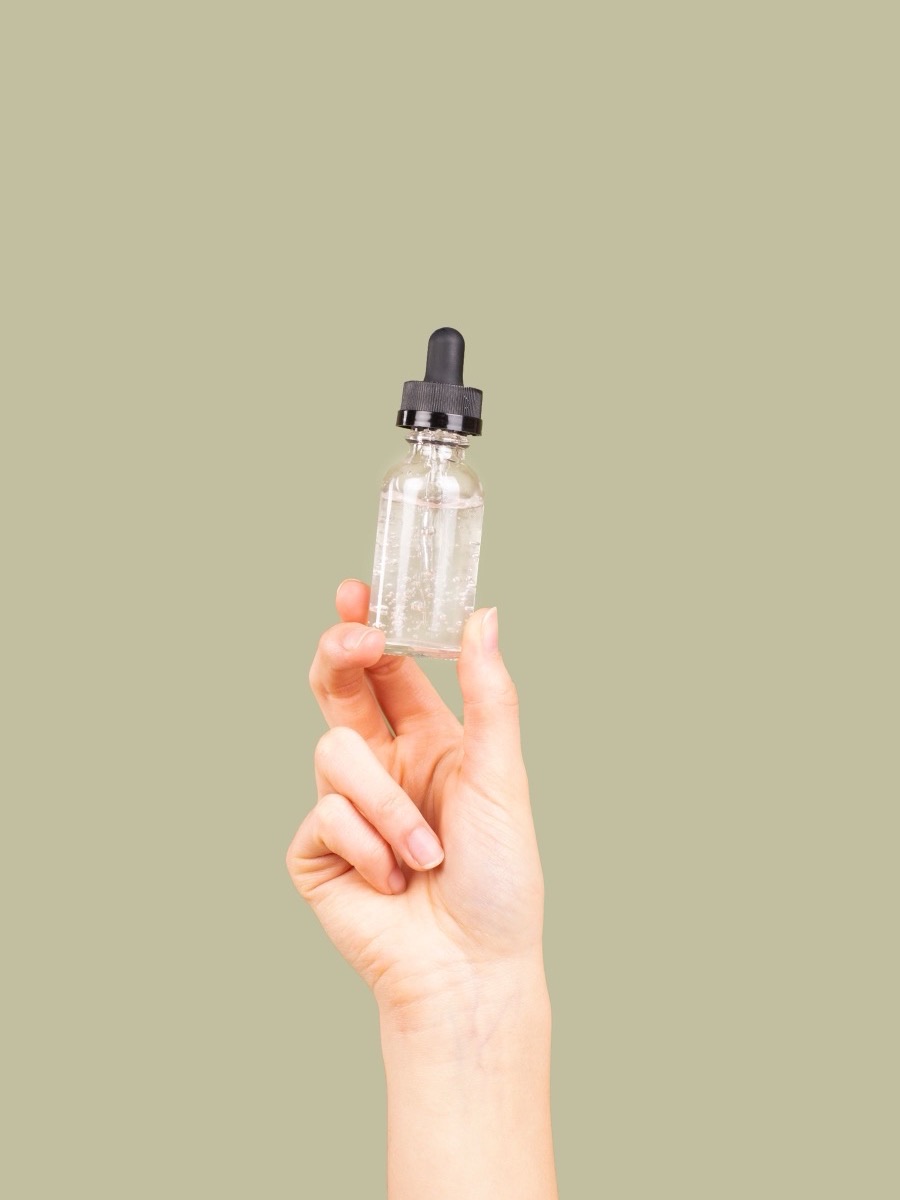
Niacinamide & zinc serum for oily skin, 30 ml bottle
A product direction to help you picture the idea — not a ready-made product for sale. The actual formula is developed around your brand's positioning and price range.
Niacinamide 4%
Within the 2–5% range tested in humans; HPLC assay on every batch.
Zinc PCA 0.5%
About 0.1% zinc at the theoretical 20.3% zinc content — far below the 1% zinc cap; the exact figure is calculated from the COA.
Glycerin, Panthenol, Sodium Hyaluronate
A light hydrating base in a Hydroxyethylcellulose gel; oil-free, fragrance-free, acid-free.
30 ml glass bottle with dropper
The label states suitability for oily and combination skin and directions to test on a small area first.
Customization options
What you can specify
The same product type can serve very different customers depending on the brand. Tell us your requirements in the areas below, and our team of pharmacists will develop a matching formula.
Niacinamide level
2%, 4–5% or a high level for positioning — determines how claims are written and how much tolerance testing is needed.
Amount of zinc
The Zinc PCA level and whether other zinc salts are added — all soluble zinc salts are added up under Ref 24.
Texture
Watery, a lightly thickened gel-serum or a thin lotion.
Hydrating and soothing ingredients
Panthenol, Allantoin, Sodium Hyaluronate; safety-assessed before inclusion.
Companion products
Gel cleanser, toner and a light moisturizer for oily skin in the same line, to sell as a set.
Ingredient direction
Oil-free, alcohol-free, fragrance-free, vegan — please specify these from the start so suitable raw materials can be selected.
Further reading
Related topics
Niacinamide in cosmetics
Mechanisms, levels tested in humans and safety notes (in Vietnamese).
Zinc PCA in cosmetics
Level of evidence, the zinc salt limit in ASEAN Annex III and formulation notes (in Vietnamese).
Oily skin and enlarged pores
Why skin produces excess oil and how far cosmetics can help (in Vietnamese).
The skin barrier
Why oily skin still needs hydration (in Vietnamese).
Blemish care serum manufacturing
A different direction: a multi-active, low-pH serum with BHA for blemish-prone skin.
How we work
From idea to finished batch
Eight steps and three milestones signed off by both sides: approved sample, notification number, finished batch. Step-by-step details (in Vietnamese) →
Get started
Tell us about the product you plan to launch
Send us your product direction and expected volume. Our team will get back to you during business hours (Vietnam time, GMT+7).
Head office: Huu Le village, Dai Thanh commune, Hanoi · Factory: Thanh Oai Industrial Cluster, Binh Minh commune, Hanoi, Vietnam
Hotline +84 967 176 511 · [email protected] · Privacy policy ← Full catalog