 BUTTER-C
Bifida ferment lysate in cosmetics
Bifida ferment lysate is often promoted as a “probiotic” ingredient for sensitive skin, but it contains no live bacteria, and its INCI name does not indicate the species or strain. The human data available come mainly from one industry-conducted trial and from multi-ingredient products.
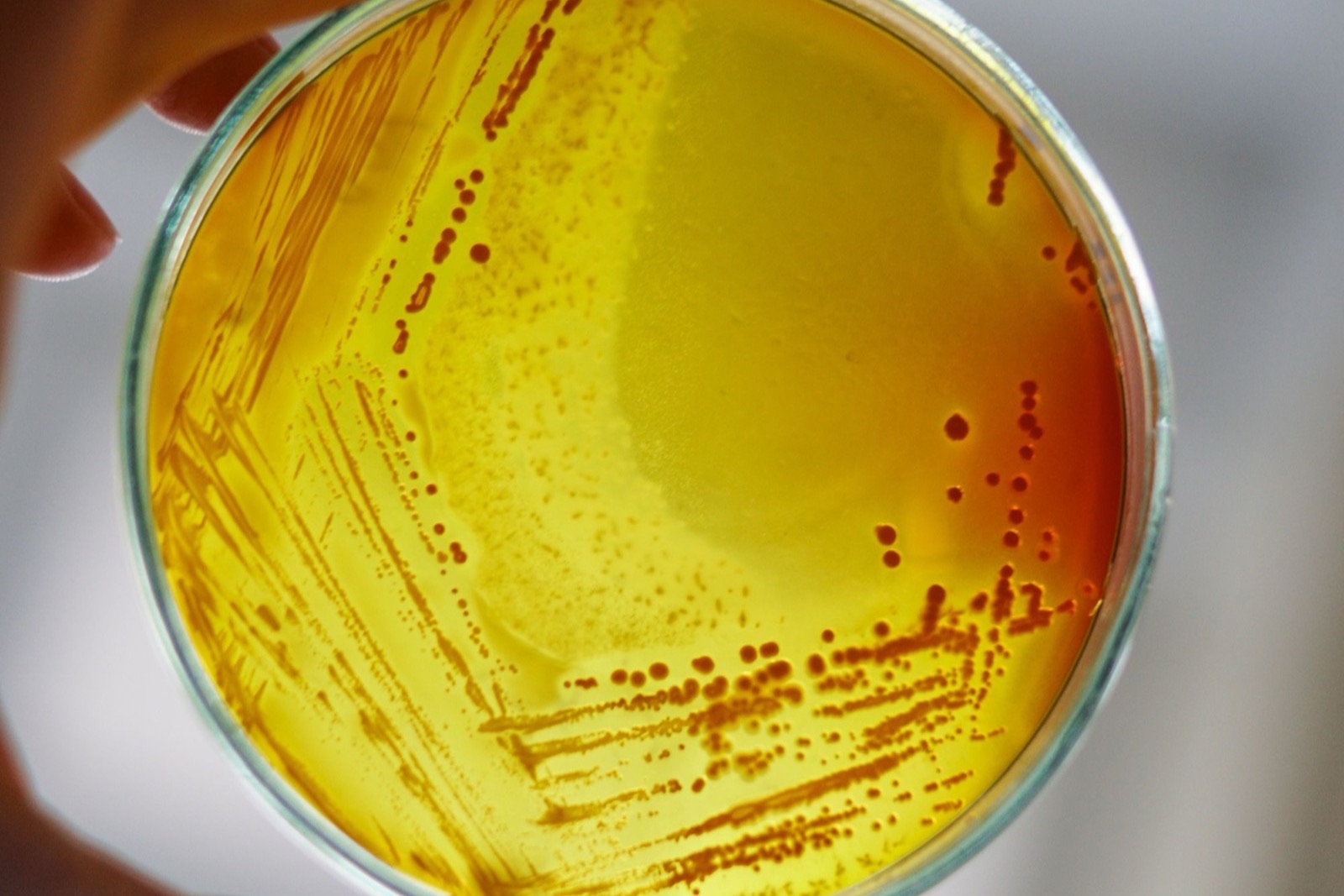
Bifida ferment lysate (INCI: Bifida Ferment Lysate) is the lysate obtained when bacteria of the genus Bifidobacterium are cultured (fermented) and their cells are then broken open. The ingredient contains components of the inactivated bacteria and of the culture medium, and no live bacteria, so it is not a “live probiotic,” even though it is often promoted among “microbiome” cosmetics.
For background, see our article on the skin microbiome (in Vietnamese).
1. What is bifida ferment lysate?
Under the INCI naming conventions (Personal Care Products Council, March 2021 edition), fermented ingredients are named after the microbial genus followed by the word “Ferment”; when the cells are disrupted by mechanical, thermal, osmotic, chemical or enzymatic means, the word “Lysate” is added to the name. In INCI names, “Bifida” refers to Bifidobacterium: a 2023 study describes Bifida Ferment Lysate as a substance obtained from Bifidobacterium through fermentation and extraction (Wang et al., 2023).
- The INCI name does not state the species or strain. Some studies used Bifidobacterium longum lysate (Guéniche et al., 2010; Sultana et al., 2013) but did not refer to the preparation by its INCI name. The species, strain and lysis method must be taken from the supplier’s documentation.
- Not the genus Lactobacillus. Bifidobacterium and Lactobacillus are two different bacterial genera (Lombardi et al., 2019), so the data and safety conclusions for the Lactobacillus ingredient group do not automatically apply to Bifida Ferment Lysate.
- “Postbiotic” needs data. The International Scientific Association for Probiotics and Prebiotics (ISAPP) defines a postbiotic as “a preparation of inanimate microorganisms and/or their components that confers a health benefit on the host” (Salminen et al., 2021). A lysate contains inactivated cell components, so it comes close to this definition, but any benefit must be demonstrated for the specific preparation itself.
| Ingredient | Microorganism | How it is obtained | Live cells? |
|---|---|---|---|
| Bifida Ferment Lysate | Bacteria of the genus Bifidobacterium | Culturing, then breaking open the cells (lysis) | No |
| Lactobacillus Ferment Filtrate (in Vietnamese) | Lactic acid bacteria of the genus Lactobacillus | Fermentation, then filtration to remove the cells | No |
| Galactomyces Ferment Filtrate (in Vietnamese) | Fungi of the genus Galactomyces | Fermentation, then filtration | No |
2. Mechanisms on the skin: laboratory data
All mechanistic data come from cultured cells or skin tissue outside the body, and each set belongs to a specific preparation:
- Bifida Ferment Lysate (in vitro): in HaCaT keratinocytes, the preparation increased the expression of physical barrier genes (FLG, LOR, IVL, TGM1, AQP3) and host-defense peptide genes (CAMP, hBD-2); scavenged DPPH, ABTS, hydroxyl and superoxide radicals in a dose-dependent manner; reduced ROS and MDA in cells stimulated with H2O2; and reduced IL-8 and TNF-α in THP-1 macrophages stimulated with LPS (Wang et al., 2023).
- B. longum lysate and tight junctions (in vitro): in primary human keratinocytes, the lysate increased transepithelial electrical resistance (TEER) in a dose-dependent manner, lasting 4 days, together with an increase in tight-junction proteins; neutralizing the TLR2 receptor abolished this effect (Sultana et al., 2013).
- B. longum extract (ex vivo, in vitro): on human skin explants, the preparation reduced vasodilation, edema, mast cell degranulation and TNF-α release compared with placebo; in neurons, concentrations of 0.3–1% for 6 hours reduced capsaicin-induced CGRP release (Guéniche et al., 2010; industry-affiliated authors).
- Results can point in the opposite direction: in a scratch-wound model on HaCaT cell monolayers, the soluble fractions of B. longum, B. infantis and B. breve lysates slowed closure of the scratch, whereas soluble fractions from some Lactobacillus strains and Streptococcus thermophilus promoted it (Lombardi et al., 2019).
Effects depend on the species, strain and processing method; laboratory data are not enough to draw conclusions about a commercial ingredient on human skin, and they do not allow the claim “balances the microbiome” to be inferred.
3. Evidence in humans
| Study | Preparation and design | Results (per abstract or full text) | Notes |
|---|---|---|---|
| Guéniche et al., 2010 | Cream containing 10% B. longum extract (lysate) vs. a control cream; randomized, double-blind, placebo-controlled; 66 women with reactive skin (33 per group); applied to the face, arms and legs twice daily for 2 months | Sensitivity (lactic acid sting test) decreased significantly at the end of the application period; the number of tape strips needed to disrupt the skin barrier increased vs. control; skin dryness decreased after 29 days | Industry-affiliated authors; no independent replication found; the preparation is not referred to by its INCI name |
| Fabbrocini et al., 2022 | Class IIa medical device gel containing lactic acid, azelaic acid/polyglyceryl-3 copolymer, azelamidopropyl dimethyl amine and bifida ferment lysate, vs. a placebo without these substances; randomized, double-blind; 60 people with mild to moderate acne completed the study (30 per group); 2 months | Acne lesions improved more than in the placebo group; no adverse events recorded | Medical context; the results belong to the whole formula; industry-funded study, with company employees among the authors |
| Conway et al., 2026 | Night serum containing panthenol, Centella asiatica extract, bifida ferment lysate, a gallic acid derivative, vitamin E and hyaluronic acid; a series of about 20 separate studies; 379 participants in the studies that included this serum (one person may be counted in several product groups) | Hydration, TEWL and sensitivity scores improved vs. baseline or vs. non-applied skin sites; no adverse events recorded | The results belong to the whole formula; no comparison with a base without the lysate; industry-funded, with most authors being company employees |
Conclusion: limited evidence. Human data on the single preparation come from only one controlled trial conducted by a company. The other studies used multi-ingredient products, so the contribution of bifida ferment lysate cannot be separated out.
4. Typical concentrations and product formats
No use level has been established by an independent source: we found no Cosmetic Ingredient Review (CIR) report for this INCI name, so there are no CIR use-concentration survey data either. The level found in the literature we reviewed is a cream containing 10% bacterial extract in the Guéniche et al. (2010) trial; the abstract does not state the dry-matter content of the extract.
The proportion of lysate in a commercial ingredient, the pH range and the use level are taken from each supplier’s technical data sheet (TDS), then confirmed by stability and tolerance testing on the finished product. The studies in section 3 used cream, gel and serum formats.
5. Use and combinations
- Can be combined with glycerin, sodium hyaluronate, panthenol and ceramide NP in products for sensitive skin (in Vietnamese) or dry skin; efficacy needs to be evaluated on the finished product.
- The sources reviewed do not report specific incompatibilities; compatibility is checked through stability testing.
- Not a replacement for the preservative system: water-containing finished products still need a preservative system and preservative efficacy (challenge) testing according to ISO 11930.
- Not a substitute for medical intervention for inflammatory acne or atopic dermatitis.
6. Safety and who should take care
We found no safety assessment by CIR or the EU Scientific Committee on Consumer Safety (SCCS) for Bifida Ferment Lysate. CIR’s 2025 safety conclusion for the Lactobacillus ferment ingredient group does not apply to Bifida Ferment Lysate.
PubMed searches (November 2026) found no case reports of contact allergy to topically applied Bifidobacterium lysate. The two multi-ingredient product studies in section 3 recorded no adverse events, but these data belong to the whole formula. People who have reacted to cosmetics before should read the full ingredient list and test on a small area of skin. Pregnant or breastfeeding women: data are insufficient; consult a doctor.
7. Perspective for brand owners
- ASEAN regulations: not listed in Annexes II, III and VI (version 2026-1, June 22, 2026) or Annex VII (version 2025-2, December 12, 2025) of the ASEAN Cosmetic Directive; search terms used: “bifid”, “ferment”, “lysate”, “probiotic”, “bacteri”. The finished product must still meet the general limits for microorganisms and heavy metals.
- Ingredient documentation: require the species, strain, culture medium, lysis method, evidence that no live cells remain, the proportion of lysate in the blend, and a microbiology and heavy-metal COA for each batch.
- Do not pool data: studies on other strains, multi-ingredient products, medical devices or oral probiotics are not a basis for claims about your ingredient.
- Proportionate claims: “moisturizes,” “helps soothe the feeling of dryness and tightness,” “contains Bifidobacterium ferment lysate.” Avoid: “contains live beneficial bacteria”; “balances the microbiome” and “restores the skin barrier” without data on the finished product; any claim about effects on acne-causing bacteria; “non-irritating.”
- Labeling: list the full INCI names of the ingredient blend.
Butter-C can use bifida ferment lysate in contract manufacturing of soothing barrier essences, moisturizers and sleeping masks, with stability and preservative efficacy (challenge) testing for each formula.
Frequently asked questions
Does bifida ferment lysate contain live beneficial bacteria?
No. Under the INCI naming conventions, the word “Lysate” indicates that the bacterial cells have been broken open. The ingredient contains components of the inactivated bacteria and of the culture medium.
Does this ingredient help make skin less sensitive?
One placebo-controlled trial in 66 women with reactive skin, using a cream containing 10% B. longum extract for 2 months, recorded a reduction in sensitivity. The study was conducted by a company and has not been independently replicated.
Does it “balance the microbiome” on the skin?
We have not found any human trial using this ingredient alone that has published skin microbiome measurements. The multi-ingredient serum study series by Conway et al. (2026) lists a microbiome study but does not publish its results.
How is it different from Lactobacillus ferment filtrate?
The two ingredients come from different bacterial genera (Bifidobacterium vs. Lactobacillus) and are processed differently (lysis vs. filtration to remove the cells), so their data cannot be used interchangeably.
Can pregnant women use it?
There are not enough data; consult a doctor before use.
References
- Guéniche A et al. Bifidobacterium longum lysate, a new ingredient for reactive skin. Exp Dermatol. 2010. PMID 19624730
- Wang R et al. The pivotal role of Bifida Ferment Lysate on reinforcing the skin barrier function and maintaining homeostasis of skin defenses in vitro. J Cosmet Dermatol. 2023. PMID 37218728
- Sultana R et al. Strain-dependent augmentation of tight-junction barrier function in human primary epidermal keratinocytes by Lactobacillus and Bifidobacterium lysates. Appl Environ Microbiol. 2013. PMID 23770906
- Lombardi F et al. Soluble Fraction from Lysates of Selected Probiotic Strains Differently Influences Re-Epithelialization of HaCaT Scratched Monolayer through a Mechanism Involving Nitric Oxide Synthase 2. Biomolecules. 2019. PMID 31766379
- Fabbrocini G et al. A Randomized, Double-Blind, Placebo-Controlled, Multicentric Study to Evaluate the Efficacy and the Tolerability of a Class II Medical Device in the Treatment of Mild and Moderate Acne. Dermatol Ther (Heidelb). 2022. PMID 35861908
- Conway J et al. Temporally Optimized Antioxidant Serums for Daytime Defense and Nighttime Repair: A Multicenter Clinical Investigation. Dermatol Ther (Heidelb). 2026. PMID 42728530
- Salminen S et al. The International Scientific Association of Probiotics and Prebiotics (ISAPP) consensus statement on the definition and scope of postbiotics. Nat Rev Gastroenterol Hepatol. 2021. PMID 33948025
- Personal Care Products Council. INCI Nomenclature Conventions (March 2021 edition; section 28, Biotech Materials and Ferments). https://www.personalcarecouncil.org/wp-content/uploads/2021/03/Conventions2021_v2.pdf