 BUTTER-C
Medical devices
Silicone scar gel OEM/ODM manufacturing
Silicone Scar Gel · Topical Silicone Gel · OEM/ODM
After surgery, a C-section, minor burns or scrapes, newly closed skin often leaves a scar that is red, firm or raised. Silicone gel is a familiar choice in scar care because its mechanism is simple and purely physical: once applied, the solvent evaporates and leaves a thin, semi-permeable silicone film over the scar, limiting transepidermal water loss and keeping the scar area adequately hydrated. With regular, long-term use, this film helps soften and flatten the scar surface. A strict condition: use only on skin that has fully closed, never on open wounds. The formula contains no pharmacologically active ingredients; adding corticosteroids or heparin turns the product into a drug. Silicone scar gel is a medical device, not a cosmetic. Butter-C advises on the formula and packaging; classification, the registration dossier and manufacturing requirements are discussed separately for each project.
Formula base
A thin, quick-drying silicone film
Silicone scar gel is usually an anhydrous system: film-forming silicones dissolved in a volatile solvent, thickened with silica or silicone elastomer.
Film-forming silicones
High-viscosity dimethicone, dimethiconol, silicone resin — leave a soft, flexible, semi-permeable film.
Volatile solvent
Low-viscosity dimethicone or isododecane — lets the gel spread thinly, then dry quickly without greasiness.
Thickeners
Surface-modified silica, silicone elastomer — a clear gel that does not run.
Water-free, no pharmacologically active ingredients
Anhydrous systems usually need no preservative when microbiology results allow; a small amount of tocopherol protects the base.
Key technical points
Four factors that determine the quality of a silicone gel
Continuous, flexible film
Full coverage, no cracking as the skin moves, no balling into flakes; determined by the ratio of film-forming silicone to silicone resin.
Drying speed
Dries fast enough to get dressed or apply makeup on top; the volatile solvent is chosen according to the area of use.
Stable clarity and consistency
Silica is thoroughly dispersed for a clear gel that does not separate with temperature changes.
Solvents in line with regulatory trends
Some markets have restricted cyclic siloxanes (D4, D5, D6) in leave-on products; alternative solvents are preferred for export-oriented products.
Three formulation directions
Three common types of silicone scar gel
Pure silicone
Dimethicone, dimethiconol, silica; a medium-thickness film for the body, arms and legs.
Quick-drying for the face and exposed areas
Silicone elastomer, isododecane, silicone resin; a dry finish that can be worn under makeup.
Skin-tinted
Iron oxides added for a skin-like color that lightly covers the scar — classification is determined when a color-covering function is added.
Packaging is planned with the formula
Aluminum tubes or multilayer tubes that limit solvent evaporation; silicone sheets are a separate product line.
Parameters we monitor
What our R&D lab measures on every sample
Below are the parameters monitored during formula development. Parameters for the medical device dossier are applied according to the relevant standards and regulations.
- Viscosity
- Across temperatures and between batches.
- Drying time
- Measured on a test plate or on skin, compared with the approved sample.
- Film properties
- Continuity, flexibility and how well the film limits water loss.
- Clarity, separation
- Checked after aging and freeze–thaw cycling.
- Microbiology
- Tested at a GLP / ISO 17025-accredited laboratory.
- Packaging compatibility
- Loss of volatile solvent through the tube wall, cap seal.
- Biocompatibility
- Assessment of irritation, sensitization and cytotoxicity — usually with reference to the ISO 10993 series.
Claims
Writing claims in line with the medical device dossier
The intended use stated on the label determines classification and the dossier. A silicone gel speaks only of the film, moisture and the scar surface with regular use — no promises of absolute results.
Forms a thin silicone film, keeps the scar area moisturized
Instead of: claims of acting deep in the scar tissue like a drug.
Helps soften and flatten the scar surface with regular use
Instead of: claims of erasing scars completely.
Helps reduce the feeling of tightness and itching around the scar by keeping it moisturized
Instead of: drug-like claims (gone for good, completely cleared).
For use on fully closed skin
State the scope clearly. Instead of: use on open wounds or incisions that have not yet closed.
Directions
Clean and dry the scar area; apply a very thin layer and let it dry; use regularly every day over a long period, as directed on the label.
Warnings
Do not use on open wounds or scraped skin; avoid the eyes and mucous membranes; discontinue use if irritation occurs.
Manufacturing specifications
Scope of cooperation
- Texture
- Clear, quick-drying, non-greasy silicone gel.
- Format
- Aluminum tubes, multilayer tubes. Volume agreed during packaging selection.
- Product category
- Medical device — not covered by the cosmetic product notification. Usually classified as class A or B depending on the intended use, contact duration and site of use; official classification follows the classification rules.
- Legal basis
- Decree 98/2021/ND-CP on the management of medical devices, as amended and supplemented by Decree 07/2023/ND-CP.
- Manufacturing and documentation
- Classification, the registration dossier and manufacturing requirements are discussed separately for each project.
- Minimum order quantity
- Agreed per order.
- Packaging
- Label design following the mandatory content for medical devices, printing and packing.
Suggested product concept
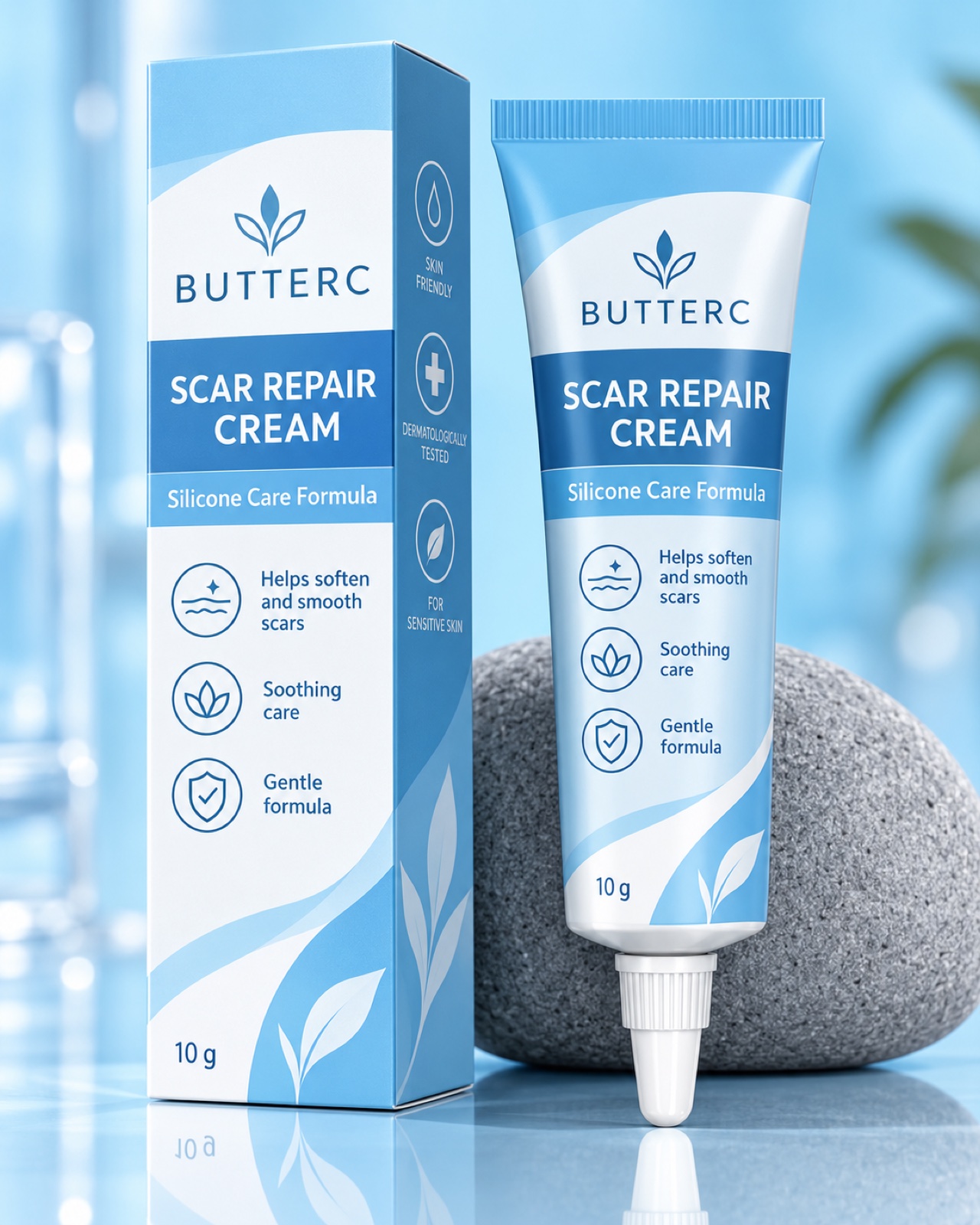
Clear, quick-drying silicone gel
A product concept to help you picture the possibilities — not a ready-made product for sale. The actual formula is developed in line with the medical device dossier.
Dimethicone and silicone resin
A thin, continuous, flexible film.
Quick-drying
Get dressed as soon as the gel has dried.
Colorless, odorless
Suitable for exposed areas and under makeup.
15 g aluminum tube
Limits solvent evaporation and is compact to carry.
Customization options
What you can specify
Within the same product type, each brand targets a different group of users. Tell us your requirements in the areas below, and our team of pharmacists will advise on a matching solution.
Drying speed
Quick-drying or standard.
Color
Clear or skin-tinted.
Area of use
Face, body, arms and legs.
Target users
Adults; scars after a C-section, surgery or minor burns, once the skin has fully closed.
Documentation
An existing medical device dossier, or a new one to be prepared.
Packaging
Aluminum tubes, multilayer tubes, with fine or round tips.
Further reading
Related topics
Maternity stretch mark cream manufacturing
Care for stretched skin within the cosmetic scope.
Skincare primer manufacturing
Silicone elastomer technology in cosmetics.
Ultrasound gel manufacturing
Another medical device gel.
Packaging control
Selecting and testing packaging for products with volatile solvents (in Vietnamese).
How we work
From idea to finished batch
Eight steps and three milestones signed off by both sides: approved sample, notification number, finished batch. Step-by-step details (in Vietnamese) →
Get started
Tell us about the product you plan to launch
Send us your product direction and expected volume. Our team will get back to you during business hours (Vietnam time, GMT+7).
Head office: Huu Le village, Dai Thanh commune, Hanoi · Factory: Thanh Oai Industrial Cluster, Binh Minh commune, Hanoi, Vietnam
Hotline +84 987 964 764 · [email protected] · Privacy policy ← Full catalog