 BUTTER-C
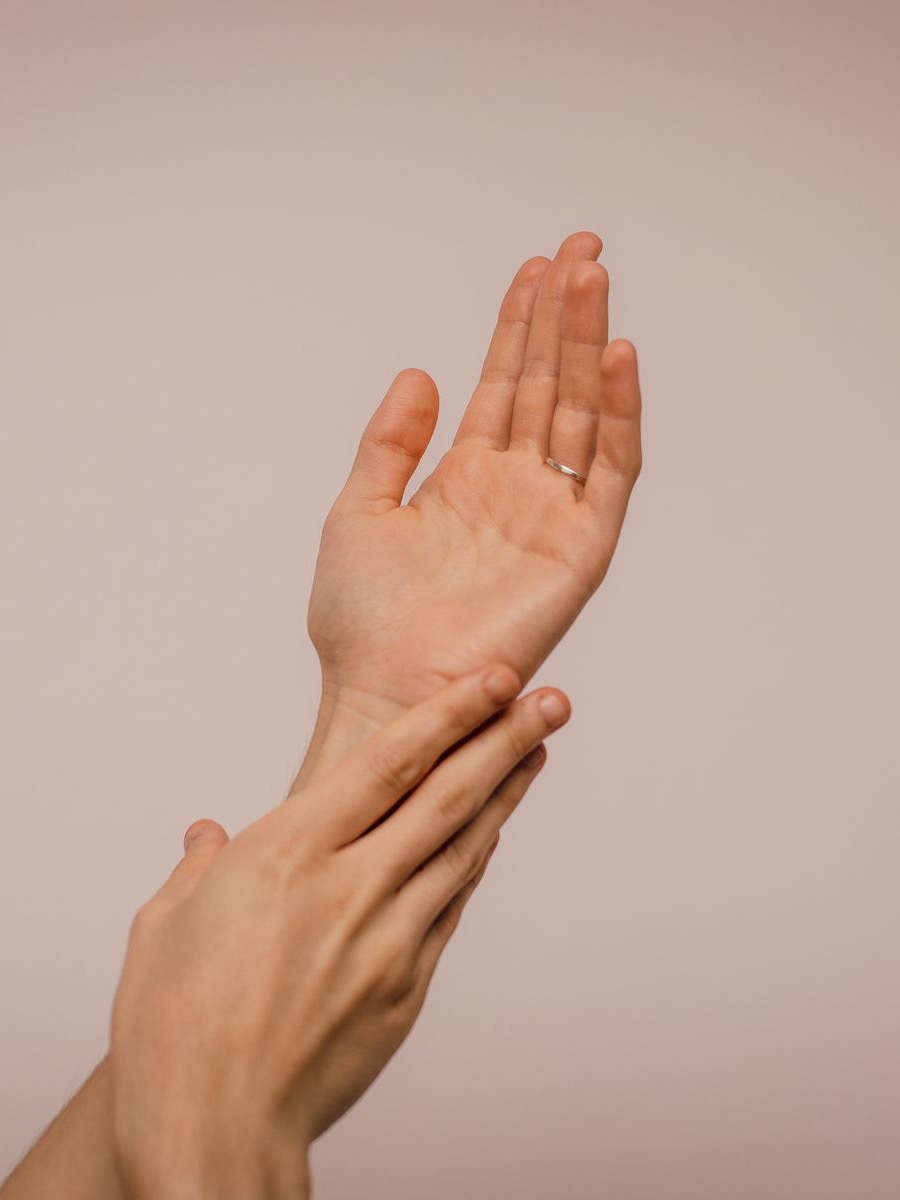
Signature ingredients
Beeswax hand cream OEM/ODM manufacturing
Beeswax Hand Cream · Signature Ingredients · OEM/ODM
Beeswax is the wax honeybees secrete to build their comb; after the honey is taken, the comb is melted, filtered and refined, and white beeswax is yellow wax bleached with peroxide or sunlight (21 CFR 184.1973). On labels both carry the INCI name Cera Alba (US INCI: Beeswax) — the label does not tell you whether the wax is yellow or white. Chemically, beeswax is a mixture of more than 300 substances, mainly wax esters (about 73%), hydrocarbons (14%) and free fatty acids (12%), melting at about 62–65 °C (CIR 1984). A tube of hand cream named after beeswax promises users exactly what this ingredient can do: a thin film that helps dry, rough hands feel softer and stay moisturized between washes — evidence for beeswax on its own on healthy skin is still limited, so claims stop there. The difficulty lies in the raw material itself: beeswax is lipophilic and accumulates residues of the products beekeepers use against mites, commercial wax may be adulterated with paraffin or stearic acid, yellow wax carries more traces of propolis components than white wax, and it is an animal-derived material — not vegan. The general hand cream page covers fast-absorbing, perfumed creams; this page focuses on choosing the type of beeswax, lot-by-lot COAs, a moisturizing emulsion that leaves hands dry to the touch, and allergy warnings that name the right population. Butter-C offers full-service OEM/ODM manufacturing, from raw material selection to a labeled finished product with its cosmetic product notification.
Formula base
Beeswax carries the name; the emulsion decides the feel
In a hand cream, beeswax is not the main ingredient by weight: it thickens the oil phase, helps stabilize the emulsion and leaves a film on the skin. Humectants, the emulsifier system and dry-finish agents decide whether the cream absorbs fast or feels rich, greasy or dry on the hands.
Beeswax (Cera Alba)
CIR (1984) notes that beeswax is used mainly in emulsions that need body and in stick products; CosIng lists the functions emollient, emulsifying, film forming and perfuming. A 2022 survey cited by CIR (2025) lists maximum reported concentrations of 1.5–12% for hand and body products and 0.0005–27% for moisturizing products — levels actually used, not recommendations. The level in a hand cream is set by consistency and skin feel on the sample (formulation experience).
Yellow wax, white wax and similar names
Yellow wax keeps its color and honey odor; white wax is pale and carries fewer traces of propolis components (de Groot 2026). “Cera Flava” is the pharmacopoeia name for yellow wax and is not part of the European INCI system — both types are declared as Cera Alba or Beeswax. Synthetic Beeswax, PEG-n Beeswax and Beeswax Acid are different ingredients with their own safety files; beeswax data are not used for them. The type of wax is stated on the TDS and COA.
Humectants and lipids alongside
Glycerin draws water into the stratum corneum, and beeswax and shea butter leave a lipid layer that holds it there; Caprylic/Capric Triglyceride helps the cream spread; Dimethicone and tapioca starch reduce the greasy, tacky feel of the wax.
Emulsifiers, preservation, antioxidant
An oil-in-water emulsion (Cetearyl Alcohol, Glyceryl Stearate, Polyglyceryl-3 Methylglucose Distearate) for a faster-absorbing cream; a water-in-oil emulsion (Polyglyceryl-2 Dipolyhydroxystearate, magnesium sulfate in the water phase) for a richer cream. Water means a preservative system — Phenoxyethanol at no more than 1% under Annex VI — and a challenge test; Tocopherol for the plant oils and butters.
Key technical points
Four things specific to a hand cream named after beeswax
The points below come from beeswax itself: impurities that build up in the hive, the risk of adulteration, its behavior when heated and the way wax takes part in an emulsion.
Mite-control residues and metals
Beeswax is lipophilic and accumulates the active substances beekeepers use against Varroa mites; CIR (2025) summarizes coumaphos, fluvalinate and bromopropylate as the main residues in commercial European wax; re-melting old comb can concentrate residues (Huanbutta 2026). The 2025 CIR summary notes heavy metals and pesticides in waxes and, specifically for beeswax, that impurities such as propolis should be avoided. The E 901 food additive specification (EFSA opinion 2007, cited by CIR) serves as a reference: no ceresin or paraffin; arsenic no more than 3 mg/kg, lead 5 mg/kg, mercury 1 mg/kg.
Adulteration with paraffin and stearic acid
Paraffin, ceresin, tallow and stearic acid are common adulterants of beeswax; classical chemical tests can miss paraffin below 5% (Huanbutta 2026). A nationwide survey in Belgium using FTIR-ATR infrared spectroscopy found adulteration in 9 of 98 beekeeper samples and 3 of 9 commercial samples, with paraffin at 12–78.8% or stearin and stearic acid at 1.2–20.8% (El Agrebi 2021). Butter-C asks for a COA with acid, ester and saponification values, melting range and a paraffin test, and rechecks when the supplier changes.
Heating and cream structure
Beeswax is melted with the oil phase; 70–80 °C is stable, while holding it above 85 °C for long can darken the color and change the odor (Huanbutta 2026). In a water-in-oil emulsion, wax crystals in the oil phase form a network that holds water droplets and limits coalescence — a suitable emulsifier is still needed. Too much wax makes the cream hard, difficult to spread and leaves white streaks; the levels of wax, light oils and dry-finish agents are adjusted on users’ hands, including after a few hand washes (formulation experience).
No beeswax–borax system
CIR (1984) notes that beeswax reacts with borax to give a white, glossy, smooth emulsion. Borax (INCI Sodium Borate) belongs to “Boric acid, borates and tetraborates”, ASEAN Annex III Ref 1a: “(c) Other products (excluding bath products and hair waving products)” at a maximum of “3% (as boric acid)”, “Not to be used in products for children under 3 years of age”, “Not to be used on peeling or irritated skin if the concentration of free soluble borates exceeds 1.5% (as boric acid)”. A hand cream is used many times on skin that may be cracked or peeling, so Butter-C does not use borax in the directions on this page; emulsification relies on a conventional emulsifier system.
Three formulation directions
Three ways for beeswax to carry the name on a hand cream tube
Oil-in-water cream for daytime
Moderate beeswax with Glycerin and dry-finish agents; absorbs relatively fast and suits use many times a day between hand washes.
Rich water-in-oil cream for very dry skin
Beeswax with shea butter in a water-in-oil emulsion; the wax crystals help hold the water droplets, and the layer holds up better to hand washing but looks shinier — suited to evenings or to people doing manual or wet work.
Fragrance-free cream with pharmacopoeia-grade white beeswax
White wax carries fewer traces of propolis components than yellow wax; no fragrance and few ingredients for people who wash their hands often. This is a raw material choice, not a “hypoallergenic” promise; the label still carries the warning for people with known beeswax allergy.
Packaging is part of the formula
Aluminum tubes, plastic tubes, pump bottles by the sink. Creams are usually not sterile and are easily contaminated (WHO, 2009), so tubes and pumps are preferable to open jars; aluminum tubes need a suitable inner lining.
Parameters we monitor
What our R&D lab measures on every sample
Below are the parameters Butter-C monitors while developing the formula and scaling it up for production. Specific limits are agreed with you on the approved sample and then written into the product’s in-house specification.
- Beeswax COA per lot
- Type of wax (yellow, white; pharmacopoeia grade), melting range, acid, ester and saponification values, paraffin test, heavy metals, pesticide residues, origin; a retained sample of every lot.
- pH and viscosity
- Measured at 25°C; viscosity decides how the cream feels when squeezing the tube or pressing the pump.
- Emulsion stability
- Centrifugation, freeze–thaw cycling, storage at 40°C and 45°C; separation, oil weeping and wax crystals in the cream monitored.
- Color and odor
- Compared with the retained sample after accelerated aging; natural yellow wax varies in color and honey odor from lot to lot.
- Microbiology and preservative challenge
- Tested at a GLP / ISO 17025-accredited laboratory; preservative efficacy (challenge) test under ISO 11930.
- Feel on the hands
- Tackiness, white streaks when spreading, time to a dry finish, marks on paper, feel after a few hand washes — the basis for “softens dry, rough hands”.
- Packaging compatibility
- Corrosion and crease cracking of aluminum tubes, cap leakage, pump tightness.
- Net content
- Checked on every lot, especially small tubes.
Claims
Writing claims within the cosmetic scope
Evidence for beeswax on the skin is limited. A 2023 review found only 5 clinical studies — 3 in animals, 2 in humans — and concluded that more research is needed; 2 of its 6 authors worked for a cosmetics company that uses beeswax, which also funded the review (Nong 2023). A non-blinded randomized trial in 90 first-time mothers split into three groups of 30 — beeswax, breast milk, control — to prevent nipple pain and cracks (Serhatlioglu 2023) is a medical setting and is not used for cosmetic claims. The role of beeswax in a hand cream is mainly technical — thickening, emulsion stability, film forming; a moisturizing benefit is shown on the finished product. Butter-C reviews the wording on labels and promotional materials as soon as the notification dossier is prepared.
Softens dry, rough hands
Instead of: drug-like claims about bleeding cracks, hand eczema, hand dermatitis.
Occlusive; helps hands stay moisturized between washes
State a figure only when measured on the finished product itself. Instead of: rebuilds the skin barrier, “closes cracks”.
Contains beeswax (Cera Alba)
INCI “Cera Alba” or “Beeswax”; state “white beeswax” or “pharmacopoeia grade” only when the TDS and COA prove it; “of natural origin” only when the raw material file proves it. Instead of: “Cera Flava” as an INCI name, “natural, therefore gentle”.
Made by bees — position it accurately
Beeswax is secreted by bees and is an animal-derived material. Instead of: “vegan”, “not of animal origin” — a vegan brand needs a different product made with plant waxes.
Directions and label warnings
Apply after washing and drying the hands; people with a known beeswax allergy should not use it; people allergic to propolis, balsam of Peru or fragrance should test on a small area first; stop if the skin turns red or itchy; do not apply to open wounds or weeping cracks. Pregnancy and breastfeeding: data are insufficient, ask a doctor. Instead of: for nipples during breastfeeding, safe for all skin types.
Allergy: rare, and name the population
Data come from patients patch tested at dermatology clinics, not the general population: among 2,828 people at 10 UK centers, 55 (1.9%) were allergic to propolis and 4 of them (7.2%) also to beeswax — cross-sensitivity is rare (Rajpara 2009); among 95 people with contact cheilitis, facial eczema or suspected beeswax allergy, 17 tested positive, and of 14 tested with both types, 8 reacted to both, 5 to yellow wax only and 1 to white wax only (Nyman 2019); in Amsterdam, 5 of 414 patients (1.2%) reacted to Cera Alba 5%, none of them also to propolis (unpublished data, in de Groot 2026). Cases mostly involve lip balms; people allergic to propolis do not necessarily need to avoid all cosmetics containing beeswax (de Groot 2026). Instead of: “does not cause allergy”, “hypoallergenic”.
Manufacturing specifications
Capabilities
- Texture
- Oil-in-water cream, rich water-in-oil cream, fragrance-free cream.
- Formats
- Aluminum tubes, plastic tubes, pump bottles. Volume agreed when packaging is selected.
- Minimum order quantity
- Agreed per order — depends on the type of beeswax, the formula direction and the chosen format.
- Testing
- Performed at a GLP / ISO 17025-accredited laboratory; certificates of analysis delivered with every lot.
- Documentation
- Product Information File (PIF) and cosmetic product notification prepared by Butter-C, including the lot-by-lot beeswax COA and origin documents. Beeswax is not listed in ASEAN Annexes II, III, VI or VII; Annex II Ref 419 prohibits “Category 1 material and Category 2 material as defined in ASEAN definition of animal products” — the definition does not name beeswax, and reading wax from healthy colonies as Category 3 needs confirmation by regulatory affairs. Beeswax is not in Butter-C’s existing raw material database — sourced per order, COA required.
- Packaging
- Label design, printing and packing run in parallel with formula development.
Suggested product concept
Fragrance-free white beeswax and glycerin hand cream for frequent hand washers
One product direction to help you picture the result — not a ready-made product for sale. The actual formula is built around your brand positioning and price range.
Pharmacopoeia-grade white beeswax
COA states the type of wax, paraffin test, pesticide residues and heavy metals; origin documents.
Glycerin and shea butter
Keep water in the stratum corneum and add richness for dry, rough hands.
Dimethicone, tapioca starch
Reduce the tacky feel of the wax so hands feel dry and can handle paper right away.
50 ml aluminum tube
Fragrance-free; the label says to apply after washing and drying the hands and carries the warning for people allergic to beeswax.
Customization options
What you can specify
Within the same product type, every brand targets a different customer. Tell us your requirements in the areas below and our pharmacists will build the formula to match.
Type of beeswax
Yellow wax (color, honey odor, a rustic story) or white wax (pale, fewer traces of propolis) — decides the cream’s color, odor, COA and price.
Richness
A light daytime cream or a rich evening cream, or both in one set.
Emulsion type
Oil-in-water absorbs faster; water-in-oil holds up better to hand washing but looks shinier.
Fragrance
Hand cream sits close to the nose and transfers to everything users touch; fragrance is a source of contact allergy, so develop a fragrance-free version in parallel. The ASEAN annexes have no list of fragrance allergens that must be named; for export to the EU, allergens are named when above 0.001% (leave-on) under EU rules.
Target users
People who wash their hands often, do wet work or housework; people whose hands are already red, itchy or have weeping cracks should see a dermatologist before self-care.
Ingredient preferences
Beeswax is an animal-derived material: a vegan brand needs a different product (candelilla, carnauba or rice bran wax — changing the wax changes the formula and stability must be retested); a silicone-free version drops Dimethicone — please state these at the start.
Further reading
Related knowledge
Beeswax (Cera Alba) in cosmetics
Yellow and white wax, CIR conclusions, allergy linked to propolis, raw material quality and ASEAN regulations (in Vietnamese).
Hand cream manufacturing
General page: fast-absorbing creams, perfumed creams, gift sets.
Lanolin hand cream manufacturing
A hand cream named after another animal wax: wool wax.
Propolis in cosmetics
A known contact allergen and its relationship with beeswax (in Vietnamese).
Dry, cracked hands from frequent washing
Causes, gloves and what a hand cream should contain (in Vietnamese).
Contact dermatitis from cosmetics
Irritant and allergic contact reactions, patch testing, reading labels (in Vietnamese).
How we work
From idea to finished batch
Eight steps and three milestones signed off by both sides: approved sample, notification number, finished batch. Step-by-step details (in Vietnamese) →
Get started
Tell us about the product you plan to launch
Send us your product direction and expected volume. Our team will get back to you during business hours (Vietnam time, GMT+7).
Head office: Huu Le village, Dai Thanh commune, Hanoi · Factory: Thanh Oai Industrial Cluster, Binh Minh commune, Hanoi, Vietnam
Hotline +84 967 176 511 · [email protected] · Privacy policy ← Full catalog