 BUTTER-C
Signature ingredients
Ethyl ascorbic acid serum OEM/ODM manufacturing
Ethyl Ascorbic Acid Serum · OEM/ODM
3-O-Ethyl ascorbic acid (often shortened to ethyl ascorbic acid) is vitamin C with an ethyl group attached through the oxygen at carbon 3 — the very part of the molecule involved in the oxidation of ascorbic acid. This small change gives a more stable substance: in laboratory tests its solution was more heat-stable and more stable in water than ascorbic acid, and under visible light it decomposed by only about 2–5% after 6 hours, while ascorbic acid fully decomposed in most gel samples. Activity data — free-radical scavenging, tyrosinase inhibition, lower melanin — come from chemical tests, cells, reconstructed human epidermis (in vitro) and zebrafish; on human skin, an ex vivo study found that 58% of a 2% dose passed through the epidermis in 24 hours. We have not found a controlled human trial of this substance on its own, nor any study that measured it converting to vitamin C in the skin, so Butter-C does not call it a “pro-vitamin C”, and claims stop at antioxidant and helping skin look brighter and more even-toned when tested on the finished product. Several case reports describe allergic contact dermatitis from cosmetics containing it, so every formula needs tolerance testing and the label advises a small-area patch test. The raw material is in Butter-C's stock. Butter-C offers turnkey OEM/ODM manufacturing, from formula development and testing to a labeled finished product and notification dossier.
Formula base
A water-loving vitamin C derivative in a water–glycol base
3-O-Ethyl ascorbic acid goes straight into the water phase of the serum. What has to be worked out first is the solvent system, the stable pH range, the chelator and a level that can be justified in the safety assessment.
3-O-Ethyl Ascorbic Acid — the right substance, the right name
Per PubChem: C8H12O6, molecular weight 204.18, CAS 86404-04-8. Iliopoulos's group (2019, with co-authors from industry) measured a melting point of about 114.4 °C, log P (octanol/water) −1.07 and pKa 7.72 — a water-loving substance; at the pH typical of skincare serums most molecules are un-ionized (inferred from the pKa). Not to be confused with Ascorbyl Glucoside, Sodium Ascorbyl Phosphate or Ascorbic Acid — each has its own INCI name and its own data.
Level set by TDS and tolerance data
The studies we read used 2% (permeation through human epidermis ex vivo) and 30% (a serum tested on cells and reconstructed human epidermis, in vitro); commercial use levels have no public source we could verify. The formula level is set from the supplier's TDS and tolerance testing on the finished product; a higher level does not mean a better result — no human study has compared levels.
Legal status
3-O-Ethyl ascorbic acid is not named in ASEAN Annexes II, III or VI (June 2026 version, searched by name and CAS), so it has no specific concentration limit; the manufacturer demonstrates safety in the Product Information File (PIF). We have not found a dedicated safety assessment by the US Cosmetic Ingredient Review (CIR) panel for this substance.
Humectant base, buffer and preservation
Glycerin, Propanediol, Sodium Hyaluronate and Panthenol for a light, moist base; Hydroxyethylcellulose or Xanthan Gum for slight body; Sodium Citrate and Citric Acid buffer the pH; Disodium EDTA chelates metal ions; Phenoxyethanol (max 1.0% — ASEAN Annex VI, Ref 29) with Ethylhexylglycerin.
Key technical points
“More stable” still has to be proven in the actual formula
The general vitamin C serum base is on the general page; the four items below concern 3-O-ethyl ascorbic acid itself and how to read its data.
Stability: the real numbers and their limits
A 3-O-ethyl ascorbic acid solution was more heat-stable and more stable in water than ascorbic acid (Golonka 2017). In gels under continuous visible light for 6 hours, ascorbic acid fully decomposed between the first and second hour in most samples (except a polyacrylic acid gel with glycerol), while 3-O-ethyl ascorbic acid decomposed by about 5% in polyacrylic acid gels and about 2% in a methylcellulose gel (Golonka 2022). A response-surface model gave optimal stability at 36.3 °C and pH 5.46 (Liao 2018 — the abstract does not state the base). More stable does not mean color-proof: a chelator, light-proof airtight packaging and HPLC assay are still needed.
The solvent system decides the route into skin
On pig skin ex vivo, the substance permeated from 1,2-hexanediol, glycerol, propylene glycol, 1,2-pentanediol, isopropyl alcohol, propylene glycol monolaurate or monocaprylate; with diethylene glycol monoethyl ether and dipropylene glycol it entered the skin without passing through; with 1,5-pentanediol and tripropylene glycol no penetration was seen (Iliopoulos 2019). On heat-separated human epidermis, a 2% solution in propylene glycol – propylene glycol monolaurate – isopropyl myristate (finite dose) delivered 49.4 µg/cm², or 58.0% of the dose, through the epidermis in 24 hours (Iliopoulos 2021, with a co-author from a company that makes reconstructed skin). These are permeation data, not efficacy data.
Not a “pro-vitamin C”
No abstract we have read measured 3-O-ethyl ascorbic acid converting to L-ascorbic acid in human skin. A 2026 study on the stratum corneum of 3 women (tape stripping, secondary ion mass spectrometry; two authors employed by a beauty company) used an ascorbic acid fragment ion generated during analysis as a marker — the signal was concentrated at the surface and fell with depth; that is not evidence of conversion. The activity measured so far should be attributed to the 3-O-ethyl ascorbic acid molecule itself.
Contact allergy is the main safety point
Case reports of allergic contact dermatitis from cosmetics containing this substance appeared from 2014 to 2022, one describing 7 cases (Suzuki 2022); case reports give no population rate but show it can act as an allergen. Butter-C recommends a human repeat insult patch test on the finished product and the full INCI list on the label so that people with a past reaction can recognize it. Pregnancy and breastfeeding: not enough data — ask a doctor.
Three formulation directions
The same active, three combinations
Single-active ethyl ascorbic acid serum
3-O-Ethyl ascorbic acid in a humectant water–glycol base (Glycerin, Propanediol, Sodium Hyaluronate), Disodium EDTA, a citrate buffer and preservatives. A short ingredient list and a story centered on one vitamin C derivative.
Ethyl ascorbic acid – niacinamide serum
Adds niacinamide at the 2–5% that has human even-tone data per our niacinamide article. No verified data exist for this exact pair — stability, color and tolerance must be tested in the formula; one more assay.
Higher-glycol serum based on permeation data
Propylene Glycol with Glycerin — two solvents shown to carry the substance into pig skin ex vivo (Iliopoulos 2019) — make up a larger share of the base, with less water. Permeation data are not turned into efficacy claims; stinging, tackiness and tolerance get closer testing.
How it differs from existing pages
The vitamin C serum page is the general page for choosing between ascorbic acid and its derivatives; the ferulic acid serum uses an L-ascorbic acid + vitamin E + ferulic acid system whose data do not carry over to derivatives. This page is for a serum named for 3-O-ethyl ascorbic acid, built around the stability, solvent system and allergy risk of that substance.
Parameters we monitor
What our R&D lab measures on every sample
These are the parameters Butter-C tracks during formula development and scale-up. Exact limits are agreed with you on the approved sample and then written into the product's in-house specification.
- Raw material COA
- INCI 3-O-Ethyl Ascorbic Acid, CAS 86404-04-8, purity, appearance, manufacturing date; niacinamide (if used): free nicotinic acid.
- Active content
- HPLC assay at the start and after each stability time point; the label figure must match the results to the end of shelf life.
- Appearance & color index
- Color, odor, clarity; color index measured regularly to catch early yellowing.
- pH
- Measured directly at 25°C; pH range from the TDS, fixed by stability testing with assay — the pH 5.46 optimum from Liao 2018 is only a reference.
- Stability
- Accelerated aging, freeze–thaw cycling and light exposure in the actual pack; remaining content and color compared — the basis for shelf life.
- In-use simulation
- Open, dispense on a schedule, then re-measure color and content — the basis for the period-after-opening.
- Microbiology & challenge test
- Tested at a GLP / ISO 17025-accredited laboratory; preservative efficacy (challenge) test to ISO 11930 on the final formula.
- Irritation & sensitization
- Tolerance testing and repeat insult patch testing on volunteers before the formula is locked, given the contact allergy reports.
Claims
Claims matched to the evidence for 3-O-ethyl ascorbic acid
Mechanism: in chemical tests, 3-O-ethyl ascorbic acid scavenged DPPH free radicals with an IC50 of 0.032 g/L and inhibited tyrosinase with an IC50 of 7.5 g/L (Liao 2018); in UVA-irradiated human HaCaT keratinocytes and mouse melanoma B16F10 cells it reduced pigment-forming signals, and it reduced pigmentation in zebrafish (Chen 2021) — cell and animal data. Zerbinati 2021 tested a commercial serum with 30% 3-O-ethyl ascorbic acid and 1% lactic acid on cells and reconstructed human epidermis (in vitro): high biocompatibility, more collagen in fibroblasts, a lower UVB DNA-damage marker and less melanin in pigmented epidermis — results of the whole formula, in the laboratory, with a first author who is scientific director of a company laboratory. We have not found a controlled human trial of 3-O-ethyl ascorbic acid on its own; the clinical study that includes it tested a multi-active microneedle patch (a device setting). Level of evidence: limited.
Antioxidant (cosmetic level)
Basis: free-radical scavenging data from chemical tests; figures only when measured on the finished product. Instead of: sun protection, replaces sunscreen, protects skin from UV.
Helps skin look brighter and more even-toned (to be tested on the finished product)
Basis: laboratory mechanism data and measurements on the serum itself (colorimeter, standardized photos); always paired with a sunscreen recommendation. Instead of: whitening, instant tone-up, fades melasma, fades dark marks, erases brown spots.
Contains 3-O-ethyl ascorbic acid, a vitamin C derivative
State the INCI name; give a percentage when it can be assayed at the end of shelf life. Instead of: “pure vitamin C”, “pro-vitamin C”, “converts to vitamin C in the skin”, “30% serum works many times better”.
No aging claims
The collagen and DNA-damage data come from a combination serum on cells and reconstructed human epidermis (in vitro), not from people. Instead of: anti-aging, boosts collagen, rejuvenates, reduces wrinkles.
Use daytime sunscreen
An antioxidant only supports, never replaces, sunscreen (ethyl ascorbic acid article on our site). Instead of: prevents tanning, use instead of sunscreen.
On-label reminders
Patch-test a small area before using on the whole face; stop and see a doctor if itching, redness or bumps persist; people who have reacted to a product with 3-O-ethyl ascorbic acid should not use it; close tightly and keep away from light; pregnant women should ask a doctor. Instead of: non-irritating, hypoallergenic, safe in pregnancy.
Manufacturing specifications
Available capabilities
- Texture
- A clear water–glycol serum or a lightly thickened serum-gel; colorless to pale yellow depending on the formula.
- Pack format
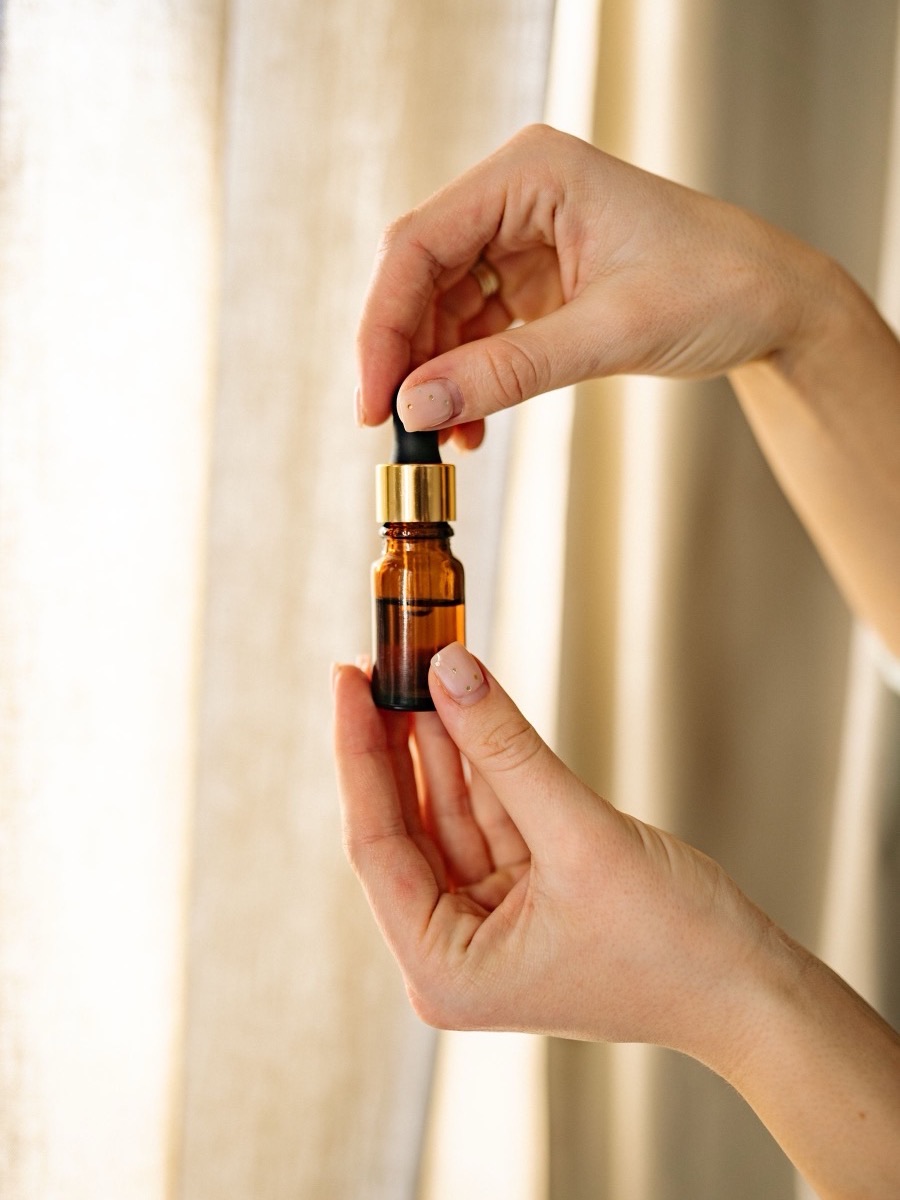
- Amber or frosted light-blocking glass bottles with droppers, or airless pumps. Volume agreed when packaging is selected.
- Raw material sourcing
- 3-O-Ethyl ascorbic acid and niacinamide are in stock; COA for every lot.
- Minimum order quantity
- Agreed per order — depends on the formula direction and pack format chosen.
- Testing
- At a GLP / ISO 17025-accredited laboratory, with HPLC assay of the active; certificate of analysis delivered with each batch.
- Dossier
- Product Information File (PIF) and cosmetic product notification prepared by Butter-C, with raw material COAs, stability data and tolerance test results.
- Packaging
- Label design, printing and packing run in parallel with formulation; the label carries patch-test and daytime sunscreen advice.
Suggested product concept
Ethyl ascorbic acid – niacinamide serum, 30 ml amber glass bottle
One product direction to help you picture the idea — not a ready-made product for sale. The actual formula is built around your brand's positioning and price range.
3-O-Ethyl Ascorbic Acid
The named ingredient; level from the supplier's TDS, fixed after tolerance testing; HPLC assay at the start and on the stability schedule.
Niacinamide
2–5% per our niacinamide article; free nicotinic acid checked on the COA.
Glycerin, Propanediol, Sodium Hyaluronate
A light, moist base, fragrance-free and alcohol-free; Disodium EDTA chelates metal ions — its effect on color confirmed by stability testing.
30 ml amber glass bottle
Dropper and light-blocking carton; the label lists the full INCI and advises a small-area patch test, daytime sunscreen and closing tightly after use.
Customization options
What you can specify
The same product type serves very different customers from brand to brand. Tell us your requirements under the headings below and our pharmacists will build the matching formula.
Level
Set from the TDS and tolerance results; higher levels only when the safety assessment can justify them — no human data compare levels.
Co-actives
Niacinamide, Sodium Hyaluronate, Panthenol; each combination needs its own stability and tolerance testing, as no verified data exist for each pair.
Solvent system
A light water–glycol base or a higher-glycol base based on permeation data — it decides feel, tackiness and how much stinging testing is needed.
Time of use
Morning or evening; a daytime version gives a more prominent sunscreen reminder.
Ingredient preferences
Fragrance-free, alcohol-free — please state these at the outset so we can choose the solvent and preservative systems.
Packaging
Dark glass dropper bottle or light-blocking airless pump — decides how well the serum is protected from light and air.
Further reading
Related topics
3-O-Ethyl ascorbic acid in cosmetics
Stability, permeation, pigment data, allergy reports and formulation notes (in Vietnamese).
Vitamin C in cosmetics
L-ascorbic acid and its derivatives, and why the pure form is hard to formulate (in Vietnamese).
Ascorbyl glucoside in cosmetics
Another water-soluble derivative with its own data and safety file (in Vietnamese).
Contact dermatitis from cosmetics
Why tolerance testing and a full ingredient list on the label matter (in Vietnamese).
Vitamin C serum OEM/ODM
General page: choosing the vitamin C form, pH, base and packaging.
Ferulic acid serum OEM/ODM
Another direction: an L-ascorbic acid, vitamin E and ferulic acid system.
How we work
From idea to finished batch
Eight steps and three milestones signed off by both sides: approved sample, notification number, finished batch. Step-by-step details (in Vietnamese) →
Get started
Tell us about the product you plan to launch
Send us your product direction and expected volume. Our team will get back to you during business hours (Vietnam time, GMT+7).
Head office: Huu Le village, Dai Thanh commune, Hanoi · Factory: Thanh Oai Industrial Cluster, Binh Minh commune, Hanoi, Vietnam
Hotline +84 967 176 511 · [email protected] · Privacy policy ← Full catalog