 BUTTER-C
Signature ingredients
Coffee body scrub OEM/ODM manufacturing
Coffee Body Scrub · OEM/ODM
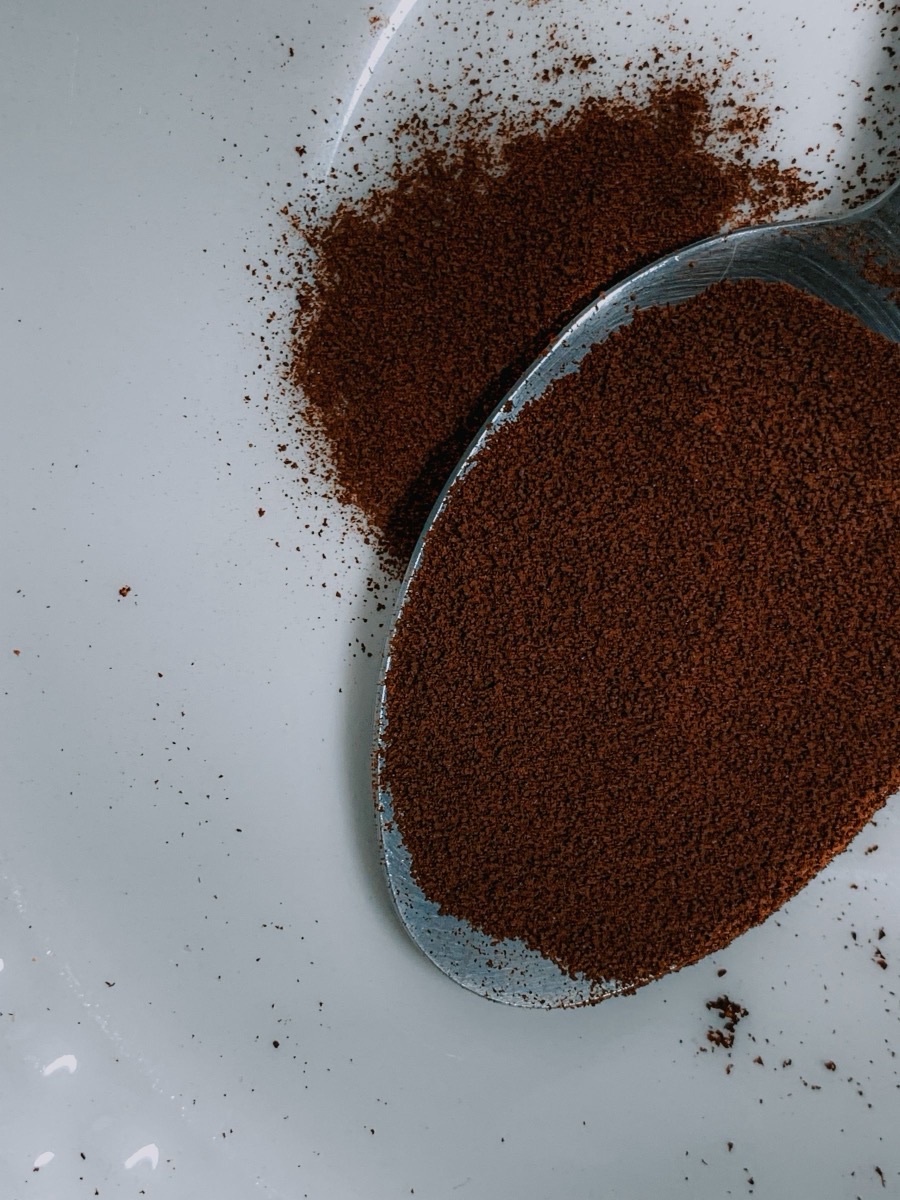
Coffee is tied to the red-soil Central Highlands and to the Vietnamese morning coffee habit — an easy cultural story for a body care line. In a scrub, the working part is coffee seed powder (INCI: Coffea Arabica Seed Powder for arabica beans, Coffea Robusta Seed Powder for robusta beans), listed in CosIng as an abrasive: insoluble particles rub over the skin surface to clear away dead skin cells, leaving skin softer and smoother after rinsing. Evidence specific to coffee powder on human skin is still thin: a 2025 study tested spent coffee grounds at 2, 5 and 10% as an exfoliant, measuring user perception and skin barrier function, not fat or cellulite. A coffee scrub is therefore positioned as an exfoliating product with the color and scent of coffee, not a firming or slimming product. Quality is in the details: the species on the label matching the powder, the right particle size, microbiology testing for each lot, a base that holds particles without oil separation, rinses clean and limits slippery floors. Butter-C offers turnkey OEM/ODM manufacturing, from formula development and testing to labeled finished goods and the notification dossier.
Formula base
Coffee seed powder, a carrier base and conditioning
A coffee scrub has three parts: the exfoliating particles (coffee seed powder, optionally combined with sugar), a base that holds the particles and helps them rinse off, and a conditioning part that replenishes skin after scrubbing. Coffee seed powder is not yet in Butter-C's current ingredient list: the powder source, species and certificate of analysis are confirmed for each order.
Coffee seed powder: right species, right INCI
Arabica beans are labeled Coffea Arabica Seed Powder and robusta beans Coffea Robusta Seed Powder — two different INCI names with the same abrasive function; the label follows the species on the certificate of analysis. Seed powder differs from seed extract (Seed Extract — color and scent only, no scrubbing) and seed oil (Seed Oil). The powder can come from roasted ground beans or from spent coffee grounds (an upcycling story); spent grounds must be dried, and the supplier must confirm the INCI name and process.
Companion particles
Sugar (Sucrose) dissolves gradually in water, so the scrub feels gentler as you go; it only stays granular in an anhydrous base. Cellulose particles or jojoba wax beads (Jojoba Esters) give a gentler version. No plastic microbeads.
Carrier base
Anhydrous base: plant oils and butters with an emulsifier (oil-soluble PEG-20 Glyceryl Triisostearate; hydrophilic Polysorbate 80) so the oil turns milky on contact with water and rinses away. Shower cream base: mild surfactants with a polymer that keeps particles suspended. Coconut oil solidifies in cool weather, so a coconut-oil scrub firms up in the cold season.
Conditioning, extract and scent
Shea butter and glycerin keep skin soft after rinsing; tocopherol protects the oil phase from rancidity. Coffee seed extract (Coffea Arabica Seed Extract) can be added for color, scent and story — human evidence for the seed extract alone is limited and mostly from test-tube studies. A distinct coffee scent usually needs added fragrance (formulation experience).
Key technical points
Particles, microbiology, the skin barrier and the bathroom
These four points are where a coffee scrub differs from particle scrubs in general; each is settled by testing on samples.
Particle size and edges
Coffee powder is sieved to a size range agreed with you and checked under a microscope to remove oversized or sharp-edged particles; abrasiveness depends on particle size and shape. Body particles are coarser than facial ones; the label states not for the face and not for scratched or irritated skin.
Plant powder carries microbes
Coffee powder is an agricultural material: each lot needs a certificate of analysis for microbiology (total aerobic count, yeast and mold) and moisture; damp powder molds easily, so it is stored sealed and dry. Water-containing versions must have a preservative system and a preservative efficacy test to ISO 11930. Anhydrous versions (oil, sugar) usually have no preservative, but wet hands in the shower bring water into the jar — a microbiological risk assessment for anhydrous products (ISO 29621), a spoon, and a decision on challenge testing for each formula and pack are needed.
Anhydrous and water-based bases affect the skin barrier differently
With the same spent-coffee-ground exfoliant, water-based bases (cream, gel) temporarily disturbed skin barrier function (measured as transepidermal water loss), recovering within 6 hours after applying a hand cream; an anhydrous ointment-type base caused no significant change (Elezović et al., 2025). This is a small study under test conditions; the finished product still needs its own tolerance assessment.
Clean rinsing, fewer slippery floors and blocked drains
Oil bases include an emulsifier so the oil rinses off with water, but the label still warns that floors and tubs may be slippery. Coffee powder does not dissolve; it clings to tile grout and towels and can build up in drains when combined with oil: directions advise rinsing with plenty of water and using a drain strainer (practical experience).
Three formulation directions
Three ways to make a coffee scrub
Anhydrous coffee–sugar scrub
Coffee powder and sugar in plant oil with an emulsifier; a clear scrubbing feel, strong coffee color and scent, and oil that turns milky on rinsing. A familiar market format that needs control of oil separation and slipperiness.
Shower cream with coffee particles
Cleansing and scrubbing in one step: a mild surfactant base, a suspending polymer and a moderate level of coffee powder. Water plus plant powder means a preservative system and microbiological challenge testing are required.
Sugar-free oil–butter coffee scrub
Coffee powder in a structured oil base (shea butter, hydrophobic silica); with no sugar it is less sticky and coffee is the only exfoliant; lower the powder level or add jojoba wax beads for a gentler scrub.
Packaging is designed with the formula
A wide-mouth jar with a spoon so wet hands stay out of the jar, or a zip-lock stand-up pouch; no pump bottles, since particles clog the pump. Coffee powder can stain light-colored caps and jar rims — packaging compatibility is tested.
Parameters we monitor
What our R&D lab measures on every sample
These are the parameters Butter-C monitors during formula development and scale-up to production. Specific limits are agreed with you on the approved sample and then written into the product's in-house specification.
- Certificate of analysis for incoming coffee powder
- Species, roasted ground beans or spent grounds, particle size, moisture, microbiology (total aerobic count, yeast and mold), heavy metals — for each lot.
- Particle size and shape
- Sieving and microscopy; share of oversized and sharp-edged particles.
- Homogeneity
- Particles evenly distributed without settling; oil bases show no oil separation after freeze–thaw cycling and centrifugation.
- Peroxide value and odor
- The oil phase is tracked across stability time points; coffee scent can mask rancidity, so sensory checks alone are not relied on (formulation experience).
- Rinse test
- How well the anhydrous base turns milky with water, and the oil film left on skin and on a test floor surface after rinsing.
- pH (water-containing version)
- Measured at 25°C; kept within the effective range of the preservative system.
- Microbiology and preservative efficacy
- Tested at a GLP / ISO 17025-accredited laboratory; preservative efficacy test to ISO 11930 for water-containing versions, microbiological risk assessment for anhydrous versions.
- On-skin evaluation
- Abrasiveness, rinse feel, skin softness after use, redness; tested on the actual areas of use such as arms and lower legs.
- Packaging compatibility
- Oil seepage, staining of caps and jars, seal integrity of stand-up pouches.
Claims
Claims for a rinse-off coffee scrub
A coffee scrub is a rinse-off product: its benefits are mechanical exfoliation and how skin feels after rinsing. Coffee powder contains caffeine, but the caffeine data on the appearance of cellulite come from leave-on creams at 2–3.5% used for several weeks, which do not apply to a product that is scrubbed and rinsed off; the spent-coffee-ground exfoliant study did not measure caffeine effects either. Annex 03-MP of Circular 06/2011/TT-BYT lists body firming, reducing body size and fat removal or reduction among benefits not accepted for skin care products. Butter-C reviews the wording on labels and marketing materials while preparing the notification dossier.
Removes dead skin cells; skin feels soft and smooth after rinsing
Instead of: peels skin, regenerates skin, renews skin.
Exfoliating particles from coffee seed powder, with coffee color and scent
Instead of: reduces cellulite, melts fat, firms the body, slims.
Helps rough skin on elbows and knees feel softer and smoother
Instead of: claims of effects on keratosis pilaris or bumps around hair follicles — these are skin conditions that need a dermatologist.
Skin looks brighter and smoother (when evaluated on the finished product)
Instead of: whitening, body bleaching, removes dark spots.
Coffee origin
State “Central Highlands coffee” or “Vietnamese coffee” only when the supplier holds documents of origin; use the species-correct INCI (arabica or robusta) per the certificate of analysis. Instead of: an undocumented growing region, or “Coffea Arabica” on robusta powder.
Warnings and directions
Not for the face or scratched or irritated skin; scrub gently, with frequency stated according to tolerance testing; floors and tubs may be slippery. People with a known coffee allergy should test on a small skin area first — allergic contact reactions to coffee dust and powder have been reported, mostly with occupational exposure.
Manufacturing specifications
Current capabilities
- Format
- Oil–sugar scrub, sugar-free oil–butter scrub, shower cream with coffee particles.
- Coffee powder sourcing
- Coffee seed powder is not yet in Butter-C's current ingredient list; source, species, particle size and certificate of analysis are confirmed for each order.
- Pack formats
- Jar with spoon, zip-lock stand-up pouch. Net weight agreed when packaging is selected.
- Minimum order quantity
- Agreed per order and per fragrance.
- Testing
- Tested at a GLP / ISO 17025-accredited laboratory; the certificate of analysis is delivered with each lot.
- Dossier
- Product Information File (PIF) and cosmetic product notification prepared by Butter-C, with the coffee powder certificate of analysis for each lot.
- Packaging
- Label design, printing and packing run in parallel with formula development.
Suggested product concept
Easy-rinse coffee–sugar scrub in an oil base
A product concept to help you picture the possibilities, not a ready-made product for sale. The actual formula is developed around your brand's positioning and price range.
Robusta coffee seed powder and sugar
Medium-sieved coffee powder provides abrasiveness and color; sugar dissolves gradually in water so the scrub feels gentler as you go. INCI follows the species on the certificate of analysis.
Sunflower oil base with an emulsifier
The oil turns milky in water, rinses faster and leaves less oil on the floor; tocopherol protects the oil phase from rancidity.
Coffee-and-milk scent
A warm coffee-and-vanilla fragrance; fragrance allergens are checked against the fragrance supplier's composition sheet.
200 g jar with spoon
Wide-mouth jar with a tight lid; the label carries a slippery-floor warning and states not for the face.
Customization options
What you can specify
Within the same product type, each brand targets a different customer group. Tell us your requirements in the areas below, and our team of pharmacists will develop a matching formula.
Coffee species
Arabica or robusta — this determines the INCI name on the label and the origin story.
Roasted ground beans or spent grounds
Spent coffee grounds suit an upcycling story but need an extra drying step and microbiology testing.
Abrasiveness
Fine powder for frequent use, coarser powder for thicker skin areas; jojoba wax beads can be added for a gentler scrub.
Product base
Oil–sugar base, sugar-free oil–butter base or shower cream with particles.
Fragrance
Black coffee, coffee with milk, coffee-coconut, or only the natural scent of the powder.
Ingredient direction
Vegan, mineral-oil-free, silicone-free — please specify at the outset.
Further reading
Related topics
Coffee seed extract in cosmetics
INCI names from the coffee plant (extract, powder, oil), level of evidence, coffee allergy and ASEAN regulations (in Vietnamese).
Body scrub OEM/ODM manufacturing
The general page on body exfoliant formats — particles, gels, acids; this page focuses on coffee particles.
Caffeine in cosmetics
The evidence for leave-on caffeine and why cosmetics do not claim fat reduction (in Vietnamese).
Body smoothing cream OEM/ODM manufacturing
Leave-on products with caffeine and coffee extract, unlike a rinse-off scrub.
Microbiological control in cosmetics
Why plant powders and jars scooped by hand need microbiology testing (in Vietnamese).
How we work
From idea to finished batch
Eight steps and three milestones signed off by both sides: approved sample, notification number, finished batch. Step-by-step details (in Vietnamese) →
Get started
Tell us about the product you plan to launch
Send us your product direction and expected volume. Our team will get back to you during business hours (Vietnam time, GMT+7).
Head office: Huu Le village, Dai Thanh commune, Hanoi · Factory: Thanh Oai Industrial Cluster, Binh Minh commune, Hanoi, Vietnam
Hotline +84 967 176 511 · [email protected] · Privacy policy ← Full catalog