 BUTTER-C
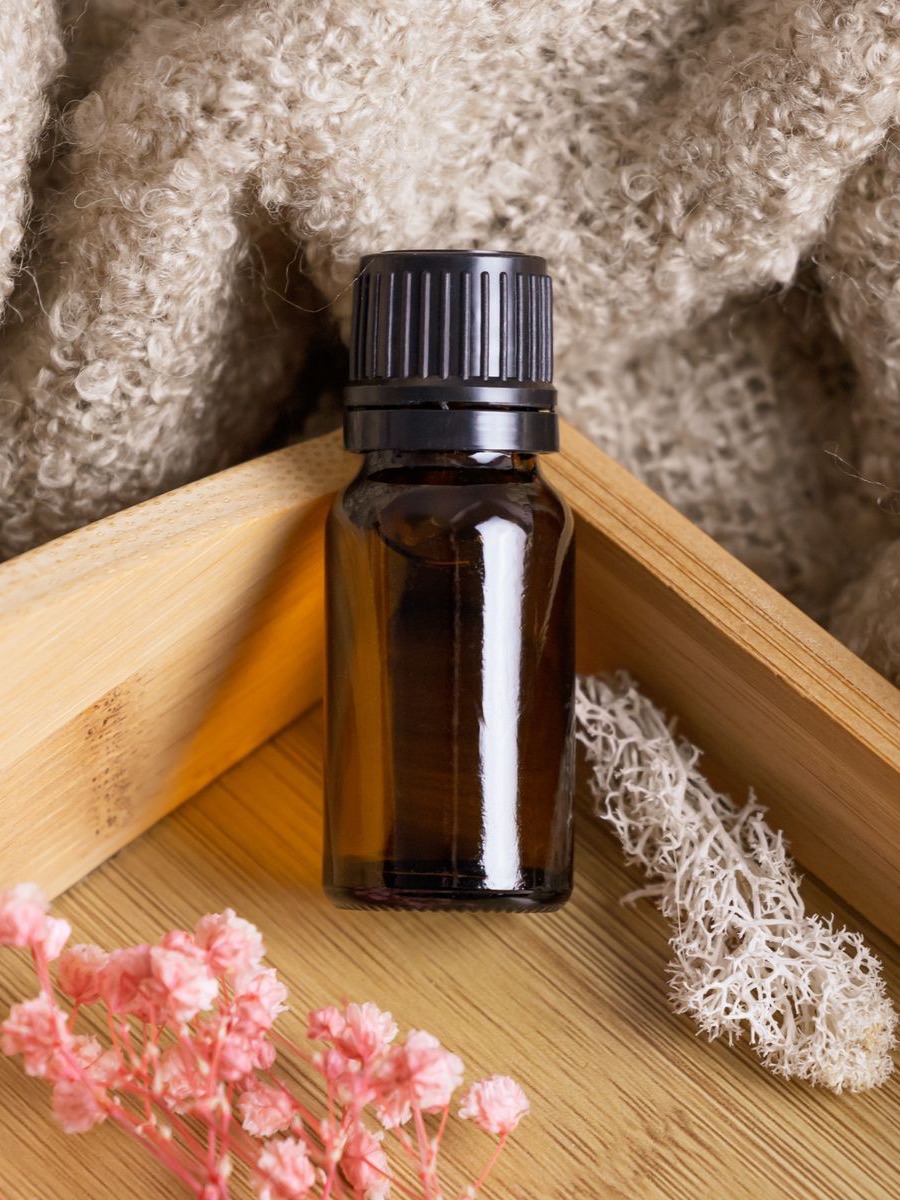
Signature ingredients
Oil-soluble vitamin C facial oil OEM/ODM manufacturing
Oil-Soluble Vitamin C (Tetrahexyldecyl Ascorbate) Oil · Signature Ingredients · OEM/ODM
Vitamin C (ascorbic acid) dissolves in water and needs a low pH, so it is hard to put into a facial oil. Tetrahexyldecyl ascorbate (THDA) solves this through chemistry: all four hydroxyl groups of ascorbic acid are esterified with a branched 16-carbon fatty acid, giving an extremely oil-loving derivative that dissolves in an anhydrous oil base. On a reconstructed skin model in the laboratory, the substance released vitamin C (Ochiai et al., 2006); in living human skin this has not been measured. To be direct: the evidence for THDA used alone is limited and inconsistent. One placebo-controlled trial with 1–3% creams reported positive results for wrinkles around the eyes (two authors from a company), while in another trial the group using 5% THDA alone showed higher wrinkle and redness scores after 8 weeks. An in vitro study also found THDA to be a weak antioxidant that degrades rapidly on contact with singlet oxygen — “oil-soluble” does not mean “completely stable”. That is why Butter-C's oil-soluble vitamin C facial oil keeps the level within the tested range, uses stable carrier oils, adds tocopherol to protect the oil phase, is filled in light-proof, airtight packaging, and tracks THDA content by HPLC at each stability time point. Claims stop at antioxidant protection for the formula and skin softening. Butter-C offers turnkey OEM/ODM manufacturing, from formula development and testing to labeled finished goods and the notification dossier.
Formula base
An oil-soluble vitamin C derivative in an anhydrous oil base
This is an anhydrous (water-free) facial oil: THDA dissolves in the carrier oils and no emulsifier system is needed; anhydrous formulas usually contain no preservative (formulation practice), and a conclusion of low microbiological risk must be documented in an ISO 29621 assessment. Unlike the vitamin C serum page — where ascorbic acid or water-soluble derivatives sit in a water base — here the oil-soluble derivative is the named ingredient.
What Tetrahexyldecyl Ascorbate is
INCI Tetrahexyldecyl Ascorbate, CAS 183476-82-6; formula C70H128O10, molecular weight 1,129.8; an XLogP3 of 28.2 (PubChem — a computed value, not a measurement) indicates an extremely oil-loving molecule. Structurally it is the tetra-ester of ascorbic acid with 2-hexyldecanoic acid. PubChem groups the names ascorbyl tetraisopalmitate and VC-IP under the same compound, while CIR documents list Tetrahexyldecyl Ascorbate and Ascorbyl Tetraisopalmitate as two separate ingredient names — the label, notification dossier and PIF use one name consistently, per the supplier's documents.
Sourced per order, at a level within the tested range
THDA is not in Butter-C's standing raw-material list: it is sourced per order with a mandatory COA. Levels tested in studies: 1%, 2% and 3% creams (Yokota and Yahagi, 2022), a 3% cream (Ochiai et al., 2006), a 1% formulation (Maia Campos et al., 2012) and 5% (Afzal et al., 2024); no trial has shown that higher levels give better results, and these studies used creams, not oils. Butter-C proposes a level in the 1–3% range, finalized from the supplier's technical data, tolerance testing and stability testing on the finished product itself.
Carrier oils
Combined as on the squalane and jojoba facial oil pages: Squalane (a saturated hydrocarbon), jojoba oil (a liquid wax ester, stable in the Rancimat test — Fagoaga et al., 2026), Caprylic/Capric Triglyceride (MCT oil) and Coco-Caprylate/Caprate for a fast dry-down. Oil lots with a low peroxide value are chosen; oils rich in polyunsaturated fatty acids go rancid more easily and are not used as the main part (formulation experience).
Tocopherol protects the oil phase
Tocopherol is added as an antioxidant for the carrier oils — common practice for the facial oils in this line. To state it accurately: data on another antioxidant keeping THDA more stable belong mainly to acetyl zingerone (see Key technical points); for vitamin E, the study we found only showed that a formulation combining retinyl palmitate, ascorbyl tetraisopalmitate and tocopheryl acetate degraded slightly more slowly than each vitamin alone (Gianeti et al., 2012). THDA stability is therefore confirmed by assay, not inferred from the presence of tocopherol.
Key technical points
Keeping the vitamin C derivative intact — four points that decide quality
With THDA, the biggest risk is assuming that an oil-soluble derivative is naturally stable. The four items below are settled as soon as the raw material and packaging are chosen.
“Oil-soluble” does not mean “does not degrade”
In an in vitro study, THDA was a weak antioxidant that degraded rapidly on contact with singlet oxygen; combining it with acetyl zingerone prevented this degradation (Swindell et al., 2021 — the authors have ties to the company that developed acetyl zingerone, per the conflict-of-interest statement). A formulation with 1% THDA, heat-stressed for 35 days and assayed by HPLC, was rated “medium stability” (Maia Campos et al., 2012). Acetyl zingerone is not among the ingredients suggested on this page.
Assay THDA, do not just watch the color
A reversed-phase HPLC method exists (RP-18 column, UV detection at 222 nm, methanol : isopropanol 25 : 75 mobile phase; ascorbyl tetraisopalmitate retention time 5.9 min; recovery 95–104% in a simulated emulsion — Almeida et al., 2009). Butter-C uses this assay at the start and at each stability time point to set the shelf life; odor and color are secondary parameters.
Processing and light-proof packaging
THDA is added to the oil phase, avoiding long heat holds and air entrainment during mixing; carrier oils with a low peroxide value (factory practice, no quantitative source). Packaging: dark glass bottle with dropper or an airless bottle, minimal headspace. Dropper bulbs and gaskets must pass an oil immersion test.
“Pro-vitamin C” — at the right level of evidence
THDA is designed as a precursor: the ester must be hydrolyzed to release ascorbic acid. This has been seen on a reconstructed skin model (Ochiai et al., 2006) and in cultured cells, but no study has directly measured vitamin C released in living human skin. Regulation: THDA is not listed in ASEAN Annexes II, III or VI (06/2026 edition; searched by both INCI names and CAS); having no specific limit does not mean unrestricted use — finished-product safety is demonstrated in the PIF.
Three formulation directions
Three types of oil-soluble vitamin C facial oil
Light THDA oil in squalane
THDA in Squalane and MCT oil with Tocopherol; colorless to very pale yellow, light, easy to fit into an evening routine. Suits normal and combination skin.
THDA in jojoba – squalane for dry skin
Jojoba oil as the main part with Squalane and Tocopherol; a slightly richer feel, suited to dry skin. Jojoba may cloud in the cold — freeze–thaw testing and clarity monitoring.
Dry-touch THDA – ester oil
THDA in MCT oil, Coco-Caprylate/Caprate and some Squalane; absorbs quickly, little shine, suited to hot, humid climates and people new to facial oils. Ester ratio finalized by spreading tests on skin.
How it differs from vitamin C serum and vitamin E oil
The vitamin C serum page centers on ascorbic acid and water-soluble derivatives in a low-pH water base. The vitamin E oil page is named for tocopherol. This page is for an oil-soluble vitamin C derivative: the right INCI, a level within the tested range, protection against oxidation and assay of content over time.
Parameters we monitor
What our R&D team measures on every sample
Below are the parameters Butter-C monitors during formula development and scale-up. Specific limits are agreed with you on the approved sample and then written into the product's in-house specification.
- Raw-material identity
- THDA COA per lot: INCI name per the supplier's documents, CAS 183476-82-6, assay; tocopherol COA (form, content) and carrier-oil COA (acid value, peroxide value).
- THDA content
- HPLC assay of the finished product at the start and at each stability time point — the basis for shelf life, mandatory when the label states a percentage.
- Sensory profile
- Color, clarity and odor against the reference sample; haze or separation at low temperature.
- Finished-product peroxide value
- Measured at the start and at each stability time point — tracks oxidation of the oil phase.
- Stability
- Accelerated aging at 40 °C, freeze–thaw cycling and light exposure in the actual packaging; THDA content, color and odor monitored.
- Packaging compatibility
- Immersion with the intended bottle, dropper, bulb and gaskets; swelling, leakage and odor change monitored.
- Microbiology
- Tested at a GLP / ISO 17025-accredited laboratory; written microbiological risk assessment for the anhydrous system per ISO 29621.
- Skin assessment
- Irritation testing on volunteers and, recommended, a repeat insult patch test (HRIPT) on the finished product, because cases of contact allergy to THDA have been reported; spreadability, dry-down time, shine.
Claims
Antioxidant protection for the formula, skin softening
Human data on THDA are not sufficient for a wrinkle or pigmentation claim. A double-blind, randomized, placebo-controlled split-face trial (3 groups of 23 women each, 1%, 2% or 3% cream applied around the eyes twice daily for 8 weeks) reported marked or moderate improvement in periorbital wrinkles; two authors belonged to a company (Yokota and Yahagi, 2022). By contrast, in a double-blind randomized trial in 44 people aged 30–65, the group using 5% THDA alone showed wrinkle severity up 7.88% (week 4) and 4.48% (week 8) and redness up 27.5% and 8.34%, while the group with 1% acetyl zingerone added improved; the study had no placebo group and one co-author worked for a company (Afzal et al., 2024). The two studies differ in base, endpoints and participants, so they cannot be compared directly. Annex 03-MP of Circular 06/2011/TT-BYT does not accept claims that prevent, reduce or reverse age-related changes for skin care products.
Contains an oil-soluble vitamin C derivative; vitamin E provides antioxidant protection for the formula
An ingredient and technical-role statement: the antioxidant role for the formula rests on tocopherol protecting the carrier oils. CIR describes the 7 ethers and esters of ascorbic acid as collectively functioning as antioxidants, skin-conditioning agents and more, but THDA itself was a weak antioxidant that degraded rapidly on contact with singlet oxygen in an in vitro study (Swindell et al., 2021) — so the formula-protection role is not attributed to THDA; THDA is presented as the named oil-soluble vitamin C derivative. Instead of: “pure vitamin C”, “fully converts to vitamin C in the skin”, “completely stable”.
Softens skin, leaves it smooth
A function of the oil base and the whole formula; any figure must be measured on the finished product itself. Instead of: anti-aging, rejuvenating, boosts collagen, erases wrinkles.
Anhydrous facial oil — sunscreen still needed during the day
THDA is not on the UV-filter list (ASEAN Annex VII); antioxidants do not replace sunscreen. Instead of: sun protection, “instant brightening”, fades dark spots, fades melasma.
Figures on the label
“Contains x% tetrahexyldecyl ascorbate” only when it matches the finished-product assay. Instead of: “high concentration, high efficacy”, citing results from other creams as this product's effect.
Label reminder
“Test on a small area of skin before use; avoid the eye area; stop use if redness or itching persists.” Case reports describe allergic contact dermatitis to ascorbyl tetraisopalmitate (Swinnen et al., 2011), contact dermatitis to the substance in a cream used for atopic dermatitis (Assier et al., 2014) and allergic contact dermatitis to two eye creams containing tetrahexyldecyl ascorbate (Scheman et al., 2022); case reports do not give an incidence. Anyone who has reacted to a product with THDA should avoid other products with the same ingredient and consult a dermatologist. Pregnancy and breastfeeding: insufficient data, ask a doctor. Instead of: hypoallergenic, gentle for all skin types, safe during pregnancy.
Manufacturing specifications
Current capabilities
- Texture
- Clear liquid oil, colorless to pale yellow depending on the carrier oils; a light squalane version, a richer jojoba version and a dry-touch ester version.
- Pack format
- Dark glass bottle with dropper or a light-proof airless bottle. Volume agreed when packaging is selected.
- Minimum order quantity
- Agreed per order — depends on the formula direction, pack format and raw-material lot.
- Testing
- Performed at a GLP / ISO 17025-accredited laboratory, with a certificate of analysis for each lot; THDA assay per the stability plan.
- Dossier
- Product Information File (PIF) and notification dossier prepared by Butter-C, with the THDA COA, carrier-oil COA and stability results including assay.
- Packaging
- Label design, printing and packing run in parallel with the formula; the small-area test reminder, eye-area caution and daytime sunscreen advice are laid out from the first label draft.
Suggested product concept
Fragrance-free oil-soluble vitamin C oil in squalane – jojoba
One product direction to help you picture the result — not a ready-made product for sale. The actual formula is built around your brand's positioning and price range.
Tetrahexyldecyl Ascorbate as the named ingredient
A level within the 1–3% range tested in studies, finalized by TDS, tolerance and stability testing; sourced per order with a COA for each lot.
Squalane, jojoba oil and Tocopherol
A softening, oxidation-resistant base; tocopherol protects the oil phase; oil ratio finalized by skin feel.
Fragrance-free
No fragrance, no essential oils — one less source of irritation in a leave-on facial product.
30 ml dark glass dropper bottle
Light-proof, minimal headspace; label directions: a few drops in the evening, small-area test, avoid the eye area, sunscreen during the day.
Customization options
What you can specify
The same product type can serve very different customers. Tell us your requirements in the areas below and our pharmacists will build the matching formula.
INCI name
Tetrahexyldecyl Ascorbate or Ascorbyl Tetraisopalmitate per the supplier's documents, used consistently on the label, notification dossier and PIF.
THDA level
Within the tested 1–3% range; stating the percentage on the label requires assay of the finished product.
Carrier oils
Squalane, jojoba, MCT oil or dry-touch esters — these decide feel, stability and price.
Packaging
Dark glass dropper or airless bottle; volume to suit your positioning.
Additional testing
Repeat insult patch test (HRIPT), skin softness or hydration measurements on the finished product — tell us early so we can plan.
Ingredient preferences
Fragrance-free, silicone-free, vegan (requires origin documents for every raw material) — please state these at the outset so we can choose suitable raw materials.
Further reading
Related topics
Tetrahexyldecyl ascorbate in cosmetics
Mechanism, conflicting evidence, tested levels, allergy reports and formulation notes (in Vietnamese).
Vitamin C in cosmetics
Ascorbic acid and its derivatives — why data for one do not automatically apply to another (in Vietnamese).
Vitamin C serum manufacturing
A different approach: vitamin C and water-soluble derivatives in a water base.
Vitamin E oil manufacturing
An anhydrous oil named for tocopherol in the same signature ingredient line.
Squalane facial oil manufacturing
A stable, light carrier oil used in the oil-soluble vitamin C version.
Contact dermatitis from cosmetics
Why small-area testing and patch testing of the finished product matter (in Vietnamese).
How we work
From idea to finished batch
Eight steps and three milestones signed off by both sides: approved sample, notification number, finished batch. Step-by-step details (in Vietnamese) →
Get started
Tell us about the product you plan to launch
Send us your product direction and expected volume. Our team will get back to you during business hours (Vietnam time, GMT+7).
Head office: Huu Le village, Dai Thanh commune, Hanoi · Factory: Thanh Oai Industrial Cluster, Binh Minh commune, Hanoi, Vietnam
Hotline +84 967 176 511 · [email protected] · Privacy policy ← Full catalog