 BUTTER-C
Signature ingredients
Squalane facial oil OEM/ODM manufacturing
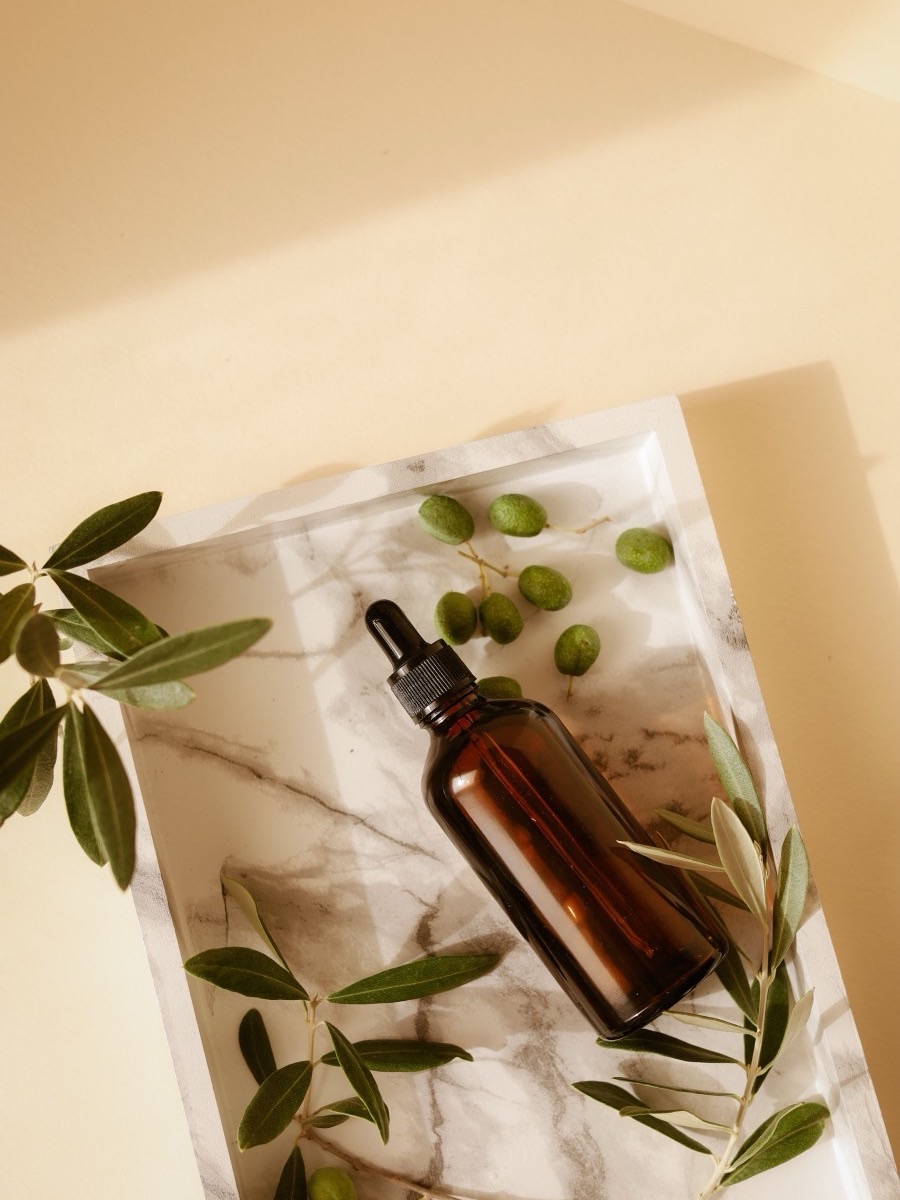
Squalane Facial Oil · OEM/ODM
Squalene is a lipid already present on human skin: sebum contains about 13% squalene (Kim and Karadeniz, 2012). In nature, shark liver oil is a rich source, and squalene also occurs in olive oil, rice bran oil and some other plant oils; about 3,000 sharks are needed for one tonne of squalene (Yarkent and Oncel, 2022). Squalene has many double bonds and oxidizes easily; hydrogenating it gives squalane, a saturated hydrocarbon and colorless liquid that is more resistant to oxidation. A squalane facial oil makes this emollient the named ingredient: a light, colorless, water-free oil that leaves the skin soft and smooth with a thin oil film on the surface. The evidence needs to be stated plainly: no randomized human trial has isolated the effect of squalane, and data on protecting cells against UVA are so far limited to cell culture (Wolosik et al., 2025). The product is therefore positioned at softening the skin, and its quality depends first on the raw material: genuine squalane (not squalene), with a plant or shark source confirmed by the supplier's documentation. Butter-C offers turnkey OEM/ODM manufacturing, from formula development and testing to labeled finished goods and the notification dossier.
Formula base
Squalane as the bulk of a water-free oil
A squalane facial oil is an anhydrous blend, so it needs no emulsifier system; anhydrous formulas usually carry no preservative (formulation practice), and a low microbiological risk conclusion must be documented under ISO 29621 in the safety file. Unlike the gac facial oil page, where squalane is only a base oil, and the moisturizer page, where it is one emollient in an emulsion, here squalane is the named ingredient and makes up most of the formula.
Squalane
INCI Squalane (CAS 111-01-3), formula C30H62, a colorless, viscous liquid (PubChem). The CIR Expert Panel (2023) confirmed squalane and squalene are safe in the practices of use and concentration surveyed; the abstract gives no concentration range, so this page quotes no figure — the level is set from the supplier's technical data and sensory testing.
Single ingredient or blend
Squalane can be bottled neat as a single-ingredient product; the finished product's quality is then essentially the quality of the raw material lot. A blended version adds oils or esters to change skin feel and the ingredient story.
Oils and esters to blend
Caprylic/Capric Triglyceride (MCT oil), jojoba oil (chemically a liquid wax ester; more oxidation-stable than olive, sunflower and rosehip oils in an accelerated oxidation test at 100 °C — Fagoaga et al., 2026), Coco-Caprylate/Caprate for a fast-drying feel. Ratios set by sensory testing (formulation experience).
Antioxidant and fragrance
Squalane is saturated and oxidizes little; when the formula includes plant oils, an antioxidant such as tocopherol and stability testing are still needed (squalane article). Fragrance-free is the recommended choice for a leave-on facial oil.
Key technical points
Right substance, right source — four points that decide quality
With a product that is almost a single ingredient, the risks lie in the wrong substance, the wrong source and the claims. The four items below are settled when the supplier is chosen.
Squalane is not squalene
Squalene (C30H50) has many double bonds; under UVA its first oxidation product, squalene monohydroperoxide, was strongly comedogenic on rabbit ears, while unoxidized squalene was less so (Chiba et al., 2000). Squalane is saturated and lacks these double bonds. The two have separate INCI names — the certificate of analysis and label must state Squalane.
The source must be documented
Squalene and squalane for cosmetics are mainly produced from deep-sea shark liver oil and from olive oil distillation by-products (Camin et al., 2010); other sources such as sugarcane or fermentation are stated only on the supplier's declaration and documents. A "phyto" prefix in a raw material's trade name is not proof of a plant source. When verification is needed, the carbon isotope ratio δ13C separates olive squalane from shark material and detects shark adulteration from 10% (Camin et al., 2010).
Animal sources and Annex II
ASEAN Annex II Ref 419 prohibits Category 1 and Category 2 animal material as defined by ASEAN; aquatic animals (except sea mammals) showing no signs of communicable disease fall into Category 3 and are not prohibited under this entry. Shark-derived material therefore needs a source dossier. Squalane is not listed in Annexes II, III or VI (June 2026 version). Butter-C prefers plant sources with a source declaration.
Comedogenicity has not been studied directly
The sources checked contain no direct comedogenicity study on squalane; "saturated, so no hydroperoxide" is a structural argument. Pore-clogging potential also depends on the whole formula and the individual — this page makes no "non-comedogenic" claim, and acne-prone skin is advised to patch test first.
Three formulation directions
Three forms of squalane facial oil
Neat squalane
One ingredient, colorless; a short label that is easy to explain. All of the quality lies in the raw material lot: certificate of analysis, source documentation, odor and clarity are checked lot by lot.
Squalane – jojoba
Squalane with some jojoba oil and tocopherol; a slightly richer feel for dry skin, for evening use. Jojoba can turn cloudy in the cold — clarity is monitored.
Dry-touch squalane – ester oil
Squalane with MCT oil and Coco-Caprylate/Caprate; fast-absorbing, low shine, suited to hot, humid climates and users new to facial oils. The sensory profile of emollients can be predicted from spreadability, viscosity and surface tension (Parente et al., 2005 — a 14-member sensory panel), so the ester ratio is set by spreading tests on skin.
Packaging is part of the formula
Glass or compatibility-tested plastic bottles, with a dropper or metered pump. Versions with plant oils should use light-protective bottles with little headspace; dropper bulbs and gaskets must pass oil-immersion testing.
Parameters we monitor
What our R&D lab measures on every sample
Below are the parameters Butter-C tracks during formula development and scale-up. Specific limits are agreed with you on the approved sample and then written into the product's in-house specification.
- Raw material identity
- Certificate of analysis for each lot stating INCI Squalane, purity per the supplier and source; density and refractive index for quick identification (PubChem lists a density of 0.8115 at 15 °C).
- Source documentation
- Each supplier's source declaration (plant, fermentation or animal); δ13C analysis when in doubt.
- Appearance
- Color, clarity and odor against the reference sample; squalane is a colorless liquid (PubChem) — an unusual color or odor means the lot should be rechecked.
- Peroxide value, acid value
- Measured when the formula includes plant oils, on incoming raw material and on finished product at each stability time point.
- Stability
- Accelerated aging at 40 °C, freeze–thaw cycling and light exposure in the final pack; watching color, odor, haze and separation.
- Packaging compatibility
- Immersion with the bottle, dropper, rubber bulb and gaskets to be used; checking swelling, leakage and odor change.
- Microbiology
- Tested at a GLP / ISO 17025-accredited laboratory; written microbiological risk assessment of the anhydrous system under ISO 29621.
- On-skin evaluation
- Spreadability, dry-down time, shine; irritation testing on volunteers before sign-off. Any figure on skin hydration or water loss must be measured on the finished product itself.
Claims
Claims at the level of softening the skin
Evidence for squalane consists of sensory data, ex vivo human skin data on its role as a carrier, and cell data on UVA at 0.005–0.015% (Wolosik et al., 2025) — cell data are not a basis for claims. Annex 03-MP of Circular 06/2011/TT-BYT does not accept claims of preventing or reversing aging. Butter-C reviews the wording on the label and marketing materials when preparing the notification dossier.
Softens the skin, leaves it soft and smooth
Instead of: anti-aging, boosts collagen, rejuvenates skin.
Helps limit water loss from the skin surface (measured on the finished product if a figure is given)
Instead of: restores the skin barrier, locks in moisture for days.
Plant-derived squalane
Stated only with the supplier's source declaration and documents. Instead of: "identical to the skin's sebum", "vegan" without documentation.
A facial oil — daytime still needs sunscreen
Squalane is not on the list of UV filters (ASEAN Annex VII). Instead of: UV protection, sunscreen, after-sun care.
Label notes
Patch test on a small area first; acne-prone skin should test first; avoid the eye area; stop use if redness or itching occurs. These are practical suggestions, not mandatory warnings under the ASEAN annexes. Instead of: non-comedogenic, safe for every skin type.
Pregnancy and breastfeeding
The sources checked give no specific recommendation for squalane — the product is not marketed to this group, and advice is to ask a doctor.
Manufacturing specifications
Available capabilities
- Texture
- Liquid oil, colorless to very pale yellow depending on blended oils; neat or blended with jojoba or esters.
- Pack format
- Glass bottle with dropper or metered pump bottle. Volume agreed when selecting packaging.
- Minimum order quantity
- Agreed per order — depends on the formula direction and pack format chosen.
- Testing
- Performed at a GLP / ISO 17025-accredited laboratory; certificates of analysis delivered with each batch.
- Documentation
- Product Information File (PIF) and cosmetic product notification prepared by Butter-C, with the supplier's certificate of analysis and squalane source declaration.
- Packaging
- Label design, printing and packing run in parallel with formula development.
Suggested product concept
Fragrance-free squalane – jojoba evening oil
One product concept to help you picture the direction — not a ready-made product for sale. The actual formula is built around your brand's positioning and price range.
Documented plant-source squalane
The bulk of the formula; certificate of analysis and source declaration kept in the PIF.
Jojoba oil
A small share for a richer feel; ratio set by sensory testing.
Tocopherol, fragrance-free
Antioxidant for the plant-oil portion; no fragrance.
30 ml glass dropper bottle
Light-protective, little headspace; the label directs a few drops after moisturizer in the evening and a patch test.
Customization options
Options you can specify
Within the same product type, each brand targets a different customer group. Tell us your requirements on the items below, and our pharmacists will build the matching formula.
Squalane source
Plant source per supplier declaration, with or without isotope analysis — this shapes the label story and raw material cost.
Neat or blended
Single ingredient, blended with jojoba, or blended with dry-touch esters.
Skin feel
Dry-touch and low shine, or richer for dry skin; dropper or pump.
Scent
Fragrance-free (recommended) or a very light fragrance with fragrance allergens declared as required.
Packaging
Clear or light-protective glass, dropper or pump.
Ingredient direction
Silicone-free, fragrance-free, vegan (requires documentation of a non-animal source) — please state these at the start so the right raw materials can be selected.
Further reading
Related topics
Squalane in cosmetics
Squalane versus squalene, olive or shark sources, level of evidence and ASEAN regulation (in Vietnamese).
Moisturizer OEM/ODM manufacturing
An emulsion combining humectants and emollients — squalane is only one ingredient.
Gac fruit facial oil OEM/ODM manufacturing
An anhydrous facial oil that uses squalane as the base oil for gac aril oil.
Jojoba oil in cosmetics
A liquid wax ester, its oxidative stability and how it pairs with squalane (in Vietnamese).
Dry skin and dehydrated skin
Telling lack of oil from lack of water to choose between a facial oil and a humectant (in Vietnamese).
How we work
From idea to finished batch
Eight steps and three milestones signed off by both sides: approved sample, notification number, finished batch. Step-by-step details (in Vietnamese) →
Get started
Tell us about the product you plan to launch
Send us your product direction and expected volume. Our team will get back to you during business hours (Vietnam time, GMT+7).
Head office: Huu Le village, Dai Thanh commune, Hanoi · Factory: Thanh Oai Industrial Cluster, Binh Minh commune, Hanoi, Vietnam
Hotline +84 967 176 511 · [email protected] · Privacy policy ← Full catalog