 BUTTER-C
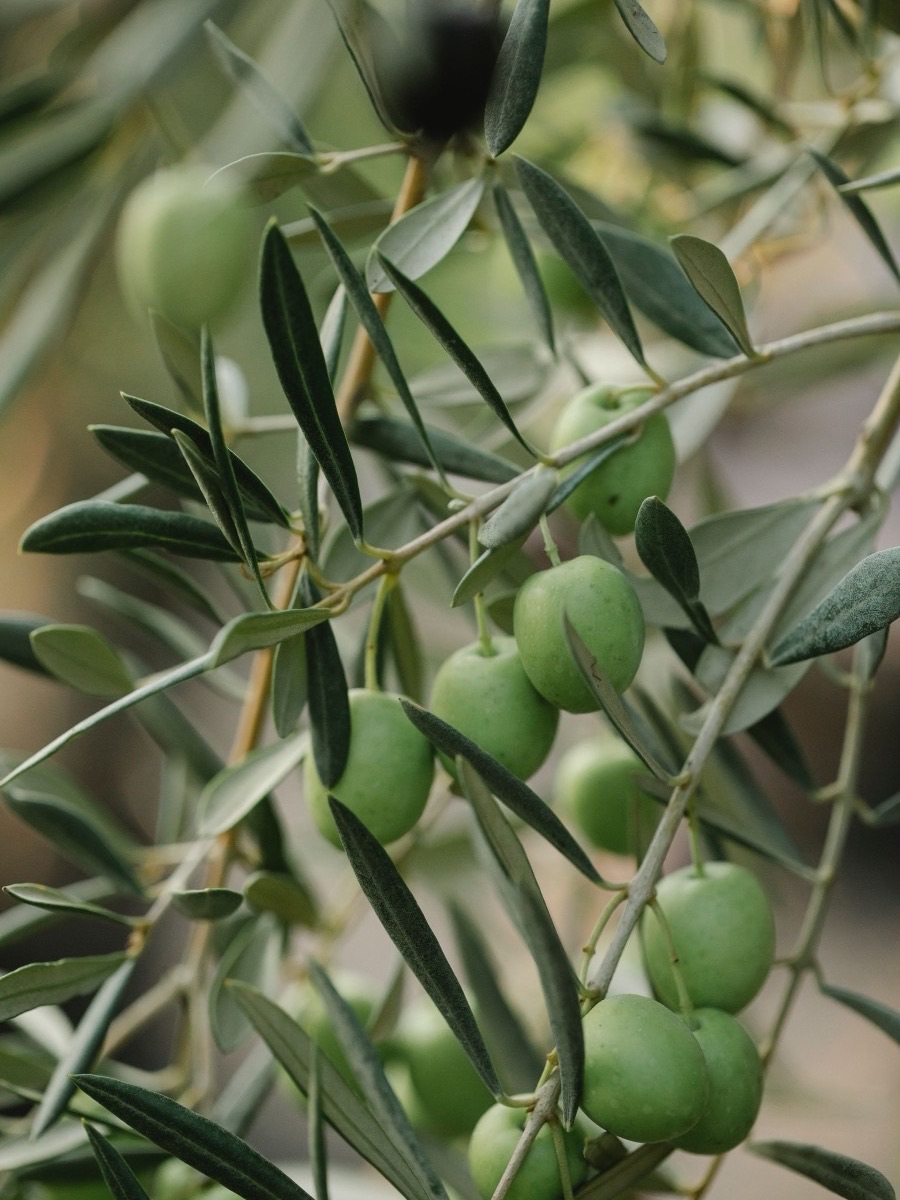
Signature ingredients
Olive oil cleansing oil OEM/ODM manufacturing
Olive Oil Cleansing Oil · OEM/ODM
Olive oil is pressed from the fruit of the olive tree (Olea europaea) and is familiar from Mediterranean kitchens and beauty habits; that is a cultural story, not evidence of a skin benefit. Chemically, olive oil is mainly triglycerides rich in oleic acid — under the International Olive Council (IOC) standard, oleic acid makes up 55–85% of the fatty acids. In a cleansing oil, olive oil is part of the oil phase: on the oil-dissolves-oil principle, the oil phase lifts makeup and sunscreen off the skin surface, and the emulsifier system then turns the mixture into a milky emulsion when water is added so it rinses away. A rinse-off product stays on the skin only briefly, so what it promises is cleansing and how the skin feels after rinsing, measured on the finished product. Data on olive oil on human skin are limited and conflicting — in 19 adults, applying neat olive oil for 4 weeks reduced stratum corneum integrity (Danby et al., 2013) — so this page makes no skin-barrier promises. The raw material available is refined olive oil, not to be called extra virgin; the grade is stated on the certificate of analysis. Butter-C offers turnkey OEM/ODM manufacturing, from formula development and testing to labeled finished goods and the notification dossier.
Formula base
Olive oil in the oil phase, emulsifiers chosen at the same time
The principle, base-oil groups and emulsifier systems of cleansing oils are covered on the general cleansing oil page; this page focuses on putting olive oil in the named role. The oil phase and the emulsifier system must be chosen together, never separately.
Refined olive oil
INCI Olea Europaea Fruit Oil (CAS 8001-25-0). Under the IOC standard, refined olive oil has free acidity ≤ 0.30 g/100 g and a peroxide value ≤ 5 mEq O2/kg. CIR rates olive fruit oil "safe in the present practices of use and concentration" (final report 03/2011), with reported use from 0.0005% up to undiluted use — survey data, not a limit. The level in a cleansing oil is set by emulsification and sensory testing (formulation experience).
Oils and esters to blend
Caprylic/Capric Triglyceride (MCT oil) and Ethylhexyl Palmitate — light, fast-spreading, oxidation-stable; they reduce the heaviness of the oil phase when olive oil is used at a high level (formulation experience). Ethylhexyl Palmitate: CIR records reported use in rinse-off products up to 50%.
Emulsifier system
Per the general cleansing oil page: a PEG-based system (PEG-20 Glyceryl Triisostearate, Sorbeth-30 Tetraoleate) or a PEG-free system (Polyglyceryl-10 Laurate, Polyglyceryl-4 Oleate), chosen around HLB 10–14, usually at 8–20% depending on the oil phase — too little leaves an oily film, too much feels drying and stings the eyes more easily. Ethoxylated emulsifiers need a certificate of analysis that includes 1,4-dioxane.
Antioxidant
Olive oil is unsaturated: add Tocopherol to the oil phase, use light-protective, airtight packaging, and monitor odor and peroxide value (olive oil article).
Key technical points
Oil grade, mix-ups, clean rinsing and the eye area
Olive oil is a familiar food ingredient, so it is easy to use the wrong grade or the wrong name. The four items below are settled on the sample, not left for later.
The right grade, per the certificate
The IOC grades oils as extra virgin (free acidity ≤ 0.80 g/100 g), virgin, refined (≤ 0.30), olive oil (refined blended with virgin) and olive pomace oil — pomace oil may not be sold as "olive oil". The certificate of analysis for each lot states the grade, free acidity, peroxide value and fatty acid composition. If the material is refined, the label and marketing do not call it "extra virgin".
Not to be confused with other olive-derived ingredients
Cetearyl Olivate and Sorbitan Olivate (cream emulsifiers), Sodium Olivate (soap), Hydrogenated Olive Oil, olive-derived squalane and olive leaf extract (Olea Europaea Leaf Extract) are different ingredients whose data do not apply to the fruit oil. The INCI label follows the certificate of analysis.
Rinses clean, leaves no oily film
Olive oil is heavier than light esters (formulation experience); as the olive oil level rises, the emulsifier system must be rebalanced and checked by emulsification time and residual film after rinsing. In a small study of 20 people, with water-resistant sunscreen, only the cleansing oil brought the residue down to a level not different from the control, while more than a third remained after a foaming cleanser; each type was tested with one product only (Chen et al., 2020, per the double-cleansing article) — the makeup removal of this formula must be tested on the finished product itself.
Eye area
Excess emulsifier makes stinging more likely (general page). If the label claims suitability for the eye area, the formula needs eye irritation testing as required by the target market; otherwise the label says to avoid contact with the eyes. Contact lens wearers should remove lenses before cleansing (double-cleansing article).
Three formulation directions
Three ways to place olive oil in a cleansing oil
Olive oil as the main oil, PEG-free
A high level of olive oil with MCT oil and a Polyglyceryl-10 Laurate – Polyglyceryl-4 Oleate system. The olive story stands out and the label can say "PEG-free"; in exchange the oil phase is heavier, the emulsion thicker, and oxidative stability needs thorough testing.
Olive oil in a light ester base, PEG system
Olive oil as a highlight in an Ethylhexyl Palmitate and MCT oil base, emulsified with PEG-20 Glyceryl Triisostearate. Light, quick to emulsify, rinses clean, cost-effective.
Light version for oily skin and hot climates
A low level of olive oil, with light esters making up most of the oil phase; little greasy feel. No "non-clogging" claim — comedogenic potential depends on the whole formula.
Packaging is part of the formula
Pump or screw-cap bottles, preferably light-protective and airtight because olive oil goes rancid easily; bottle material, pump and gaskets are compatibility-tested together with the formula.
Parameters we monitor
What our R&D lab measures on every sample
Below are the parameters Butter-C tracks during formula development and scale-up. Specific limits are agreed with you on the approved sample and then written into the product's in-house specification.
- Incoming olive oil check
- Check against the certificate of analysis: grade, free acidity, peroxide value, fatty acid composition by IOC/ISO methods.
- Appearance
- Color, clarity and base odor against the reference sample; a rancid odor signals oxidation.
- Density & refractive index
- Two quick identity checks that catch blending errors between batches.
- Acid value & peroxide value
- On finished product at each stability time point — key for formulas containing plant oils.
- Emulsification time
- Seconds from adding water until the mix is fully opaque; shows whether the emulsifier system is balanced for the olive oil level.
- Residual film after rinsing
- Assessment of oil left on the skin after rinsing with water — the basis for a "leaves no oily film" claim.
- Makeup removal
- Tested on matte lipstick and water-resistant sunscreen by in-house protocol, against a control sample.
- Stability
- Accelerated aging at 40 °C, freeze–thaw cycling, centrifugation and light exposure in the final pack; watching separation, haze, color and odor change.
- Microbiology & safety
- Tested at a GLP / ISO 17025-accredited laboratory; microbiological risk assessment of the anhydrous system under ISO 29621; skin irritation testing, plus eye irritation testing if the label claims eye-area use.
Claims
Claims for a rinse-off product containing olive oil
A cleansing oil is emulsified and rinsed away after use, so claims rest on cleansing performance and skin feel measured on the finished product, not on leave-on data for olive oil. The olive oil article lists phrases to avoid: "restores the skin barrier", "safe for newborns", "hypoallergenic". Butter-C reviews the wording on the label and marketing materials when preparing the notification dossier.
Removes makeup and sunscreen
Instead of: detoxifies, draws out toxins, deep-cleans pores.
Rinses clean with water, leaves no oily film (once tested on the finished product)
Instead of: never clogs pores, non-comedogenic.
No tight, dry feeling after rinsing (with sensory test results)
Instead of: restores the skin barrier, cares for eczema-prone skin, deep hydration.
Contains olive oil (Olea Europaea Fruit Oil)
"Extra virgin" only when the certificate of analysis proves the grade. Instead of: calling refined oil extra virgin; benefits of the Mediterranean diet or oral polyphenols.
Label notes
Avoid contact with the eyes (unless eye irritation testing has been done); patch test on a small area first; stop use if redness or itching occurs. Contact allergy to olive oil is rare but real: by 1999 the literature described 20 cases, 3 of them occupational hand eczema (Isaksson and Bruze, 1999). Instead of: hypoallergenic, safe for every skin type.
Young children, pregnancy
Not positioned for newborns: a pilot trial in 115 newborns found less improvement in stratum corneum lipid lamellae structure in the two oil groups (olive, sunflower) than in the no-oil group, and the authors advised caution (Cooke et al., 2016). Pregnancy and breastfeeding: specific data are insufficient; ask a doctor.
Manufacturing specifications
Available capabilities
- Texture
- Clear liquid oil, pale yellow from the olive oil; turns into an opaque milky emulsion in water.
- Pack format
- Pump or screw-cap bottle, preferably light-protective. Volume agreed when selecting packaging.
- Minimum order quantity
- Agreed per order — depends on the formula direction and pack format chosen.
- Testing
- Performed at a GLP / ISO 17025-accredited laboratory; certificates of analysis delivered with each batch.
- Documentation
- Product Information File (PIF) and cosmetic product notification prepared by Butter-C, with the olive oil certificate of analysis stating the grade.
- Packaging
- Label design, printing and packing run in parallel with formula development.
Suggested product concept
PEG-free, fragrance-free olive – MCT cleansing oil
One product concept to help you picture the direction — not a ready-made product for sale. The actual formula is built around your brand's positioning and price range.
Refined olive oil
Most of the oil phase; certificate of analysis states grade, free acidity and peroxide value.
MCT oil
Lightens the oil phase so it spreads quickly and emulsifies evenly.
Polyglyceryl emulsifiers, tocopherol
Polyglyceryl-10 Laurate – Polyglyceryl-4 Oleate for PEG-free positioning; tocopherol protects the oil phase; no fragrance.
Light-protective pump bottle
Airtight and shielded from light; the label directs applying to dry skin, adding water to emulsify, rinsing off, and avoiding the eyes.
Customization options
Options you can specify
Within the same product type, each brand targets a different customer group. Tell us your requirements on the items below, and our pharmacists will build the matching formula.
Olive oil level
Main oil or highlight — this decides heaviness, the emulsifier system and the label story.
Oil grade
Refined oil is available; other grades (virgin, extra virgin) sourced per order, with a certificate proving the grade.
Emulsifier system
PEG-based or PEG-free, depending on ingredient positioning and budget.
Eye area
Whether to claim eye-area use — if so, eye irritation testing is added.
Fragrance and packaging
Fragrance-free (recommended) or a light fragrance with allergens declared as required; pump or screw cap.
Ingredient direction
PEG-free, mineral-oil-free, fragrance-free — please state these at the start so the right raw materials can be selected.
Further reading
Related topics
Olive oil in cosmetics
IOC oil grades, skin-barrier data, newborns, contact allergy and ASEAN regulation (in Vietnamese).
Cleansing oil OEM/ODM manufacturing
The principle, base-oil groups and PEG / PEG-free emulsifier systems.
Double cleansing
When an oil-based first step is needed, rubbing and the skin barrier (in Vietnamese).
Rice bran oil facial cleanser OEM/ODM manufacturing
Step two of a double cleanse: a water-based cleanser with rice bran oil.
Vitamin E (tocopherol) in cosmetics
Antioxidant for the oil phase (in Vietnamese).
How we work
From idea to finished batch
Eight steps and three milestones signed off by both sides: approved sample, notification number, finished batch. Step-by-step details (in Vietnamese) →
Get started
Tell us about the product you plan to launch
Send us your product direction and expected volume. Our team will get back to you during business hours (Vietnam time, GMT+7).
Head office: Huu Le village, Dai Thanh commune, Hanoi · Factory: Thanh Oai Industrial Cluster, Binh Minh commune, Hanoi, Vietnam
Hotline +84 967 176 511 · [email protected] · Privacy policy ← Full catalog