 BUTTER-C
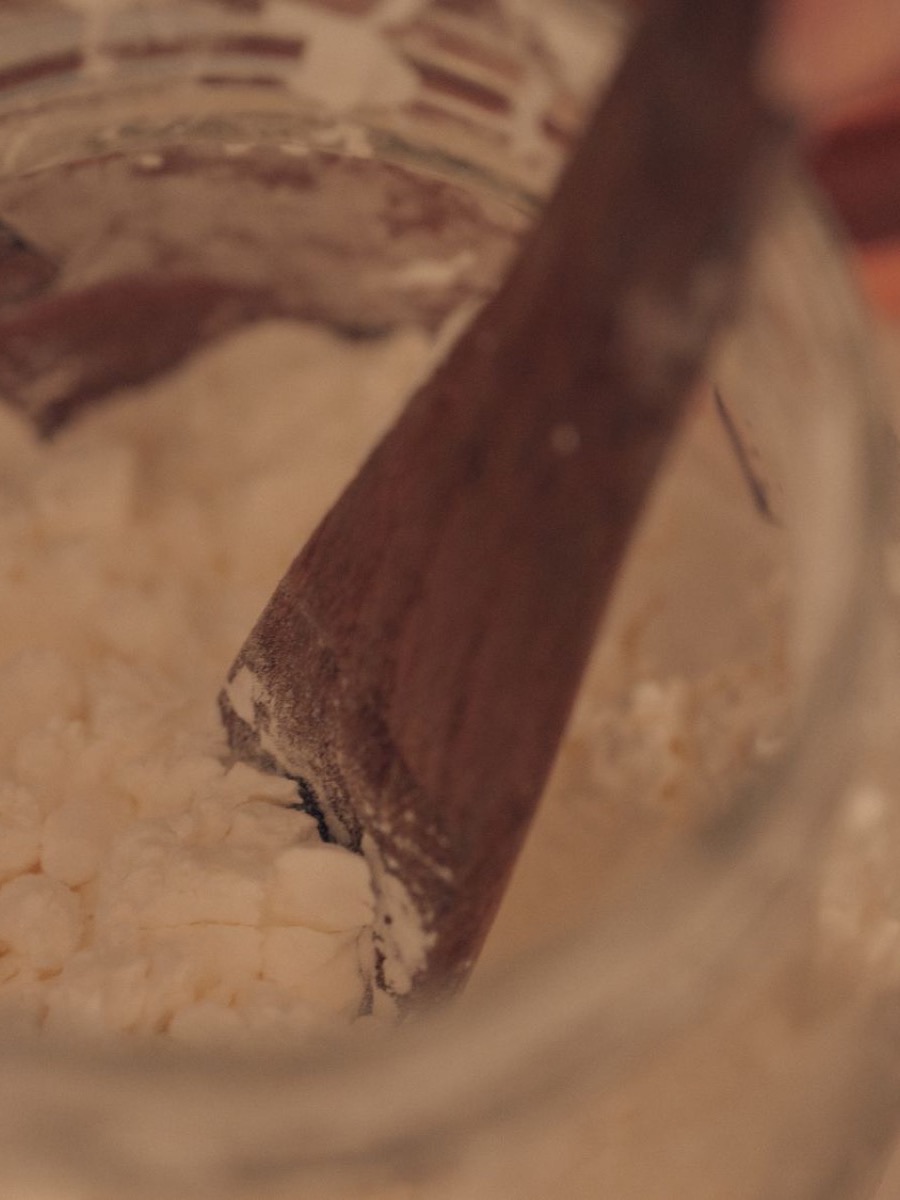
Signature ingredients
Bentonite clay mask OEM/ODM manufacturing
Bentonite Clay Mask · OEM/ODM
Bentonite is a naturally occurring hydrated colloidal aluminum silicate clay of volcanic-ash origin; its main mineral is montmorillonite, a member of the smectite group. What sets bentonite apart from kaolin is its structure: two silica sheets sandwich one alumina sheet, and water entering between the layers makes the mineral swell — in a mask, this is what builds a smooth mud base and keeps clay particles from settling. On the skin, bentonite holds oil and water at the surface by a physical mechanism and is then rinsed away; it has even been used as a sebum-collecting material in dermatology research. Efficacy evidence for bentonite alone on human skin is limited, so this mask promises what can be measured on the finished product — surface cleansing and absorbing excess oil — not claims of drawing toxins out of the skin. The Cosmetic Ingredient Review (CIR) Expert Panel concluded that bentonite is safe in the present practices of use and concentration, except in products that may be incidentally inhaled, because the clay can carry crystalline silica; Butter-C therefore makes bentonite only as rinse-off creams and muds and tests every raw-material lot. Butter-C offers turnkey OEM/ODM manufacturing, from formulation and testing to a labeled finished product with its notification dossier.
Formula base
Bentonite in the name, with a humectant base and a matching preservative system
How to blend several clays is covered on the general clay mask page; this page puts bentonite in the name. The concentrations below are maximum levels reported on the US market and compiled by CIR (2022 survey), not recommendations.
Bentonite — the named clay
INCI Bentonite, CAS 1302-78-9 (CosIng, CIR). CosIng describes it as a colloidal clay consisting primarily of montmorillonite, with four functions: absorbent, bulking, emulsion stabilizing and viscosity controlling. 2022 survey: paste masks 1.5–10%, skin-cleansing products 1.3–7%. The level in the formula is set by the consistency, smoothness and setting time of the samples (formulation experience).
Kaolin alongside (optional)
In mask formulation practice, bentonite usually provides structure while kaolin forms the clay body. Kaolin does not swell; the 2022 survey lists 5–33% in paste masks. Bentonite, kaolin and montmorillonite are three separate INCI names — the label lists every clay in the formula.
Humectants and emollients
Glycerin, Butylene Glycol and Panthenol slow drying; Squalane reduces the tight feel after rinsing (formulation experience). The sources reviewed have not measured skin dryness after a bentonite mask, so “no tight feeling” is used only after a sensory test on the finished product.
A preservative system suited to a cation-exchanging clay
Smectite clays carry exchangeable cations (CIR), so they can retain cationic preservatives on the mineral surface. Butter-C uses a system that does not rely on cationic agents (for example Phenoxyethanol with Ethylhexylglycerin) and confirms it with an ISO 11930 challenge test on the actual formula.
Key technical points
Swelling, correct INCI, crystalline silica and heavy metals
Bentonite is mined; the ore is processed to remove grit and non-swelling material (CIR). The four points below are where a bentonite mask differs from a kaolin mask.
Swelling drives viscosity and stability
Water and organic molecules enter between the clay layers and expand them; the process is reversible (CIR). In practice, bentonite is sprinkled into the water phase and stirred until fully hydrated before salts or alcohol are added; under-hydrated clay gives a thin, lumpy cream that separates water easily. Viscosity, water separation and settling are followed across stability time points — these are physical issues; the sources reviewed do not describe bentonite as sensitive to light, oxygen or heat.
Correct INCI, not the common name
Montmorillonite (CAS 1318-93-0) is a separate INCI name; a material sold as “green kaolin” may be declared as Montmorillonite. Quaternium-18 Bentonite and Stearalkonium Bentonite are organoclays (bentonite combined with quaternary ammonium compounds) dispersed in the oil phase — their data and handling do not apply to Bentonite. Butter-C checks the INCI name, CAS number and mineral identification on the COA.
Crystalline silica: powder handling and product format
According to CIR, bentonite commonly contains cristobalite (a form of crystalline silica) as an impurity; this is why CIR could not reach a conclusion for products that may be inhaled. A review by Maxim et al. (2016; authors from a consulting firm) identifies inhalation of respirable dust by workers as the exposure route of concern. In the plant: weighing, sieving and charging powder with local exhaust and dust masks. In the product: creams and rinse-off muds only, no loose powders or sprays.
Heavy metals and microbes
CIR expressed concern about heavy metals in clays and recommended good manufacturing practice to limit them; the Food Chemicals Codex limits food-grade bentonite to arsenic ≤ 5 mg/kg, lead ≤ 15 mg/kg and aerobic bacteria ≤ 1,000 CFU/g. The finished product meets Annex 06-MP of Vietnam’s Circular 06/2011/TT-BYT: mercury 1 ppm, arsenic 5 ppm, lead 20 ppm; total viable count ≤ 1,000 CFU/g (the current text to be confirmed by regulatory affairs when the dossier is prepared).
Three formulation directions
Three ways to place bentonite in a rinse-off mask
Pure bentonite mud
The formula uses bentonite as its single clay, forming a smooth cream-to-light-grey mud through swelling. A short, accurately named ingredient list; viscosity over time and the rinse-off feel need careful checks, because bentonite thickens strongly even at low levels (formulation experience).
Bentonite – kaolin
Bentonite holds the cream structure while kaolin forms the clay body — a common pairing in practice. A firm, easy-to-spread cream; the label lists both INCI names. The sources reviewed contain no direct comparison of bentonite and kaolin on human skin, so the ratio is set by evaluating samples.
High-humectant bentonite mud
Less clay, more humectants and emollients: the mask dries more slowly with less tightness — a direction for combination skin or users who want a gentler experience. Wear time and after-rinse feel are tested on volunteers before the formula is fixed.
Packaging, and what we do not make
Tubes keep moisture in and are more hygienic than jars; jars need a sealed inner lid so the mask does not dry at the rim. No dry powder-to-mix version with bentonite: CIR data are insufficient for products that may be incidentally inhaled — if you need a powder format, see the kaolin clay mask page.
Parameters we monitor
What our R&D team measures on every sample
These are the parameters Butter-C tracks during formulation and scale-up. Specific limits are agreed with you on the approved sample and then written into the product’s in-house specification.
- Bentonite incoming inspection
- COA for every lot: INCI, CAS, mineral identification (X-ray diffraction), crystalline silica (quartz, cristobalite), As, Pb, Hg, Cd, microbes, particle size.
- Swelling and suspension pH
- Swelling capacity or suspension viscosity and pH are pharmacopoeial tests used to evaluate bentonite; the sources reviewed give no generally applicable figures for cosmetic grades — measured on each lot and written into the raw-material standard.
- Appearance & fineness
- Color, odor, fineness, no lumps; natural clay color varies between lots, so it is compared with a reference sample.
- Finished-product pH
- Measured on a diluted sample and adjusted to the range agreed for the preservative system and skin mildness.
- Viscosity over time
- Rotational viscometer or penetration test at stability time points — the viscosity of a swollen clay base can change over time (formulation experience), which affects dispensing from the tube.
- Finished-product heavy metals
- Mercury, arsenic and lead per Annex 06-MP; cadmium per the in-house standard.
- Stability
- 40 °C and freeze–thaw cycles; watch for water separation, settling, rim drying, color and odor change; weight loss in the actual pack.
- Drying time and ease of rinsing
- Evaluated on skin: setting time, tight feel, amount of water and number of rinses needed.
- Microbiology & challenge test
- Tested at a GLP/ISO 17025 laboratory; ISO 11930 preservative challenge test on the clay-containing formula.
Claims
Claims for a rinse-off mask named after bentonite
A PubMed search (10/2026) found no human skin trial of bentonite alone for oily skin. The human data available are a methods study: Downing et al. (1982) applied bentonite to the foreheads of 3 people to collect sebum, and the extra amount in early collections was sebum already accumulated in the stratum corneum and follicular canals — not evidence that bentonite reduces oil secretion. A randomized double-blind trial in 100 infants with diaper rash comparing a bentonite cream with a calendula cream (Mahmoudi et al., 2015) is a medical setting, not a basis for cosmetic claims. Butter-C reviews label and marketing wording when the notification dossier is prepared.
Cleanses the skin surface
Instead of: claims of drawing toxins out of the skin, purging heavy metals.
Helps absorb excess oil on the skin surface (physical mechanism; extent assessed on the finished product)
The sources reviewed do not show bentonite reducing the rate of sebum secretion. Instead of: regulating the sebaceous glands, long-lasting oil control.
Leaves skin feeling fresh and unclogged (sensory, tested on the finished product)
Instead of: tightening or shrinking pores, deep pore cleansing.
Bentonite clay (Bentonite) — correct INCI
Mine origin is stated only when the supplier has documentation. Instead of: the raw material’s trade name, calling bentonite kaolin or green clay, claims about blemishes or bacteria.
Directions and reminders
State wear time and uses per week; avoid the eye area and lips; rinse thoroughly, then moisturize; patch-test on a small area first. Industry data compiled by CIR: repeated insult patch testing found no sensitization with a clay mask containing 3.8% bentonite (108 people, 25% self-reporting sensitive skin). Instead of: non-irritating, gentle for every skin type.
Pregnancy, damaged skin
Pregnant or breastfeeding: data are insufficient, ask a doctor. Do not apply to damaged skin; stop using if redness or stinging occurs.
Manufacturing specifications
Available capabilities
- Texture
- Smooth clay mud or cream, cream to light grey; no loose powder or spray formats.
- Bentonite raw material
- Bentonite is in Butter-C’s current raw-material list; the label shows the INCI name only, with a COA for every lot.
- Pack format
- Tubes, jars with sealed inner lids. Volume agreed when packaging is selected.
- Minimum order
- Agreed per order — depends on the formulation direction and pack format chosen.
- Testing
- Performed at a GLP/ISO 17025 laboratory; results delivered with every batch, including heavy metals and microbiology.
- Dossier
- Product information file (PIF) and notification dossier prepared by Butter-C, with the bentonite COA for every lot.
- Packaging
- Label design, printing and packing run in parallel with formulation.
Suggested product concept
Bentonite – kaolin mud with glycerin, fragrance-free, for oily skin
One product direction to help you picture the idea — not a ready-made product for sale. The actual formula is built around your brand’s positioning and price range.
Bentonite
The named clay, fully hydrated in the water phase before other ingredients are added; COA for crystalline silica, heavy metals and microbes on every lot.
Kaolin
The accompanying clay body, giving a firmer, easy-to-spread cream; the label lists both INCI names.
Glycerin, panthenol
Slow drying and reduce tightness; “no tight feeling” is used only after a sensory test.
100 ml tube, fragrance-free
Apply for the time stated on the label, once or twice a week, rinse thoroughly, then moisturize.
Customization options
What you can specify
The same format can serve very different customers. Tell us your requirements in the areas below and our pharmacists will build the matching formula.
Pure bentonite or blended with kaolin
Bentonite only, or kaolin added as the clay body — different INCI names on the label, a different feel when applied and rinsed.
Drying speed and feel
Fast-setting with a clear tight feel, or slow-drying and less tight — adjusted through the clay-to-humectant ratio and evaluated on the finished product.
Supporting ingredients
Panthenol, squalane, glycerin — safety-assessed before inclusion; cationic or polar actives can be retained by the clay, so they are assayed in the finished product if an active claim is made.
Fragrance and color
Fragrance-free (recommended) or a light fragrance with fragrance allergens declared for the target market; the natural cream-to-light-grey color of the clay.
Ingredient positioning
Vegan, paraben-free, fragrance-free — please state these at the outset so suitable raw materials can be chosen.
Further reading
Related knowledge
Bentonite (swelling clay) in cosmetics
How it differs from kaolin, limited evidence for oil absorption, crystalline silica, heavy metals and regulation (in Vietnamese).
Clay mask OEM/ODM manufacturing
Clay-mask formats, blending several clays and general monitoring parameters.
Kaolin clay mask OEM/ODM manufacturing
A non-swelling clay that can also be made as a powder mixed with water at use.
Mung bean clay mask OEM/ODM manufacturing
Kaolin – bentonite as the base for the traditional mung bean face-wash story.
Oily skin and enlarged pores
Why skin looks shiny and what an oil-absorbing mask can and cannot do (in Vietnamese).
How we work
From idea to finished batch
Eight steps and three milestones signed off by both sides: approved sample, notification number, finished batch. Step-by-step details →
Get started
Tell us about the product you plan to launch
Send us your product direction and expected volume. Our team will get back to you during business hours (Vietnam time, GMT+7).
Head office: Huu Le village, Dai Thanh commune, Hanoi · Factory: Thanh Oai Industrial Cluster, Binh Minh commune, Hanoi, Vietnam
Hotline +84 967 176 511 · [email protected] · Privacy policy ← Full catalog