 BUTTER-C
Signature ingredients
Mugwort body wash OEM/ODM manufacturing
Mugwort Body Wash · OEM/ODM
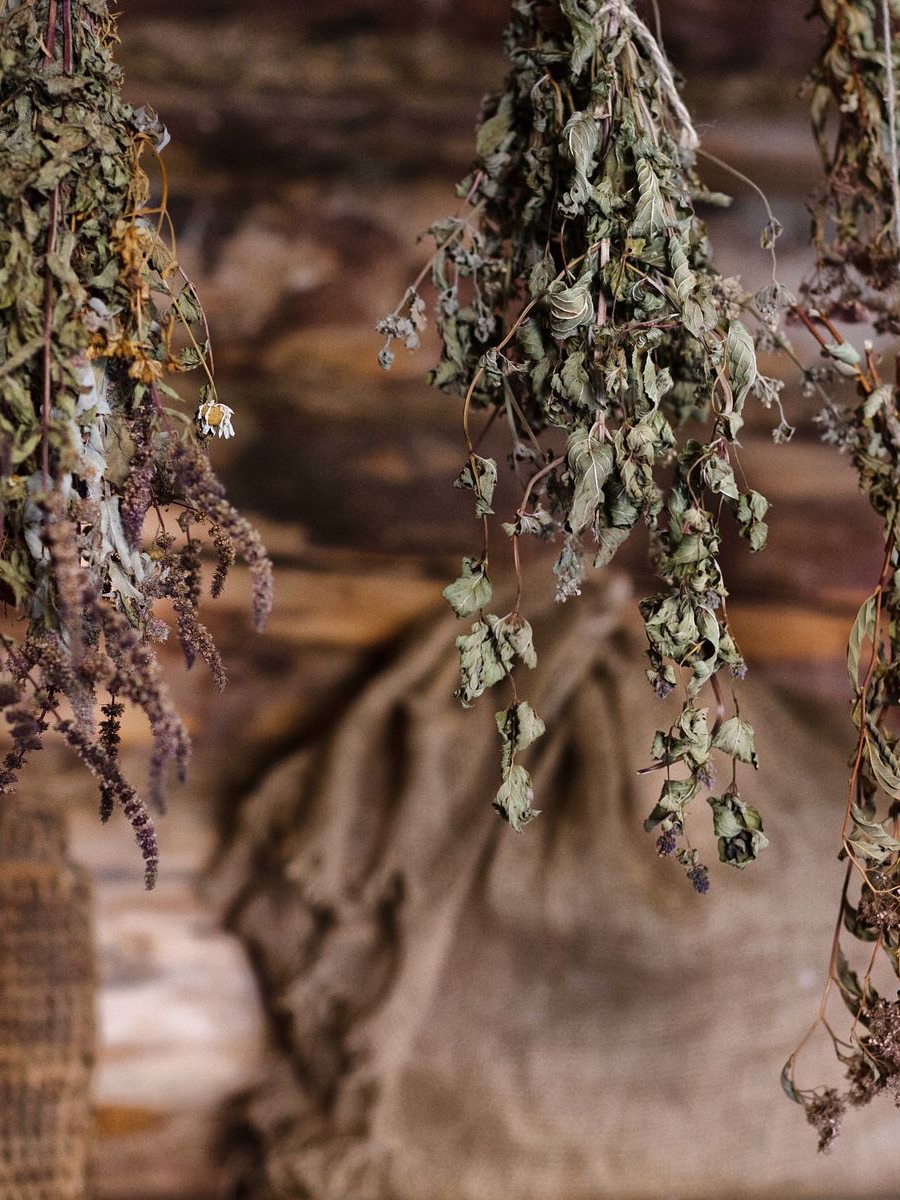
Mugwort is a familiar plant in Vietnamese life; bathing in mugwort leaf water and mugwort steam baths are folk habits handed down in many families — a relatable cultural story for a body wash line, not evidence of any effect. The named ingredient is mugwort extract (INCI: Artemisia Vulgaris Extract), defined by CosIng as an extract of the whole Artemisia vulgaris plant, Compositae family. The word “mugwort” on Korean and Japanese cosmetic labels may refer to another species, such as Japanese mugwort (Artemisia princeps), so the species on the certificate of analysis decides the story. Data for the right species stop at chemical, cell and animal tests; we have not found any trial of topical use on human skin — limited evidence. A body wash also stays on the skin only briefly before it is rinsed off, so the product promises cleansing, fine lather, an herbal scent and the skin feel after showering — measured on the finished product — not “warming the body”, “improving circulation” or special safety for pregnant or postpartum women. Mugwort belongs to the Compositae family, so the label should alert people allergic to Compositae plants. Butter-C offers turnkey OEM/ODM manufacturing, from formula development and testing to labeled finished goods and the notification dossier.
Formula base
Cleansing system, mugwort extract, color and scent
A mugwort body wash uses the same cleansing system as a standard body wash; what is specific is choosing the right species, reading the extract preparation correctly and controlling color, scent and allergy risk.
Mugwort extract: right species, preparation read correctly
The material in Butter-C's current ingredient list is labeled INCI Artemisia Vulgaris Extract and, per its technical note, is a liquid extract in a water–glycol base: the use level is that of the preparation, not of dry matter, and the label lists the carrier solvents and preservatives per the TDS/certificate of analysis. The certificate should state the scientific name Artemisia vulgaris, plant part, solvent, herb-to-extract ratio, microbiology and heavy metals; also ask for a thujone specification and a commitment that no santonin is present.
Cleansing system
Sodium laureth sulfate with cocamidopropyl betaine for a high-lather, cost-effective gel; amino acid or glucoside systems for a sulfate-free line (mildness tested on the finished product; amino acid systems are sensitive to low pH).
Moisture and after-rinse feel
Glycerin, panthenol and allantoin — ingredients with better moisturizing and soothing data than mugwort; PEG-7 glyceryl cocoate and Polyquaternium-7 for a soft feel. The ingredient's technical note warns that cationics may be incompatible with tannin-rich extracts — clarity and haze are tested on samples before sign-off.
Color and scent
The extract carries its own color and odor and tends to darken over time (ingredient technical note); a clear herbal scent in the finished product usually comes from fragrance (Parfum) (formulation experience). Mugwort essential oil fractions are not used without a thujone specification.
Key technical points
Right species, the Compositae family and short contact time
These four points are where a mugwort body wash differs from a standard body wash; each is settled by the certificate of analysis or by testing on samples.
Not every “mugwort” is Artemisia vulgaris
CosIng has separate INCI names for Artemisia Vulgaris Extract (whole mugwort plant), Artemisia Vulgaris Leaf Extract (leaf), Artemisia Princeps Leaf Extract (Japanese mugwort) and Artemisia Argyi Leaf Extract. Data on human keratinocytes (Hirano et al., 2017) belong to Japanese mugwort and do not apply to Artemisia vulgaris. Wormwood (Artemisia absinthium) is another species too — the label and the story follow the species named on the certificate.
Short contact time
In safety assessment, the portion of a shower product left on the skin after rinsing is calculated with a retention factor of 0.01 (SCCS, 2023). Data for the right species are antioxidant assays, macrophage cell tests and a mouse paw edema model (Trinh et al., 2024) — there is no trial of topical use on human skin, let alone data for a body wash. The extract level is therefore chosen for story, color, scent and cost.
The Compositae family and allergy
Allergic contact dermatitis associated with mugwort has been reported (Haw et al., 2010). Among people allergic to Compositae, 8 of 12 sensitized to chamomile reacted to chamomile-containing preparations and 5 of 6 sensitized to arnica reacted to arnica products; the authors advise warning Compositae-allergic people against topical products containing Compositae plants (Paulsen et al., 2008 — the study did not test mugwort). Other Compositae extracts (Roman chamomile, arnica) are therefore not stacked into the same formula.
Thujone, santonin and color stability
Mugwort essential oil can contain thujone (Judzentiene and Budiene, 2018); there are no verified figures for commercial extracts and the ASEAN annexes have no specific entry — ask the supplier for a specification. Santonin (the main constituent of Artemisia cina) is prohibited under Annex II, entry 217 — the supplier confirms the species and the absence of santonin. The extract is added in the cool-down phase with disodium EDTA, in light-protective packaging, with color tracked through stability testing.
Three formulation directions
Three mugwort body wash lines
Clear mugwort shower gel
Sulfate–betaine system thickened with salt, the extract's natural color and a fresh herbal scent; a clear gel shows darkening easily, so it needs a light-protective bottle and thorough stability testing.
Sulfate-free, fragrance-free mugwort body wash
Amino acid–glucoside–betaine system, no fragrance, with panthenol and allantoin; a minimalist positioning — mildness tested on the finished product, and the label still advises a small-area test.
Moisturizing pearlescent mugwort body wash
An opaque base with glycol distearate, glycerin and emollients; the opaque base masks darkening of the extract; a deep herbal scent.
Packaging must be planned with the formula
500 ml–1 liter pump bottles and refill pouches; opaque or light-protective bottles for versions that darken easily. Viscosity must suit the pump.
Parameters we monitor
What our R&D lab measures on every sample
Below are the parameters Butter-C tracks during formula development and scale-up. Specific limits are agreed with you on the approved sample and then written into the product's in-house specification.
- Incoming extract certificate of analysis
- Species, plant part, solvent, extraction ratio, microbiology, heavy metals, thujone specification and a no-santonin commitment — for every batch.
- Appearance and color
- Compared with a reference sample; darkening and haze tracked at 40 °C, room temperature and under light.
- pH
- Measured at 25 °C; held within the agreed range for mildness and preservative efficacy (body washes are typically pH 5–6.5 — formulation experience).
- Viscosity
- Rotational viscometer at 25 °C; the extract and fragrance shift the viscosity curve, so thickness is adjusted last.
- Foaming
- Foam height and stability, compared with the approved sample.
- Stability
- Freeze–thaw cycling and storage at 40 °C; separation, color change, odor change and viscosity drift tracked.
- Microbiology and preservative challenge
- Tested at a GLP / ISO 17025-accredited laboratory; preservative efficacy test to ISO 11930.
- Fragrance allergens
- Checked against the fragrance supplier's composition sheet. ASEAN has no list of fragrance allergens that must be named separately (Annex III, entries 67–92 are blank); for EU exports, allergens are named above 0.01% in rinse-off products.
- Packaging compatibility
- Filled into the actual bottle or pouch; pump force, leakage and staining checked.
Claims
Claims for a body wash with mugwort extract
A body wash is a rinse-off product: its function is cleansing and skin feel. Mugwort extract has no trial on human skin and no CIR safety assessment; Artemisia Vulgaris Extract is not named in ASEAN Annexes II, III, VI (version 2026-1) or VII (version 2025-2), and there is no specific entry for thujone. Butter-C reviews the wording on the label and in promotional materials when preparing the notification dossier.
Gently cleanses, fine lather
Instead of: claims to act on bacteria, whole-body germ-free clean.
Mugwort herbal scent
Instead of: warms the body, improves circulation, relieves aches.
Contains mugwort extract (Artemisia vulgaris)
Instead of: drug-like claims about dermatitis or itchy rashes; borrowing data from Japanese mugwort or other Artemisia species.
Skin feels soft, not tight after showering (with sensory testing)
Instead of: restores the skin barrier, regenerates skin.
The mugwort bath story told as folk culture
Instead of: safe for pregnant or postpartum women, “hypoallergenic”.
Label warnings
Test on a small area of skin first; people with a known allergy to Compositae plants (chamomile, arnica, mugwort…) should not use it; people with mugwort pollen allergy should ask a doctor before use; avoid contact with the eyes. Pregnant or breastfeeding women: data are insufficient, so ask a doctor.
Manufacturing specifications
Available capabilities
- Texture
- Clear gel, opaque lotion, pearlescent cream; with or without fragrance.
- Mugwort material
- A liquid mugwort extract is in Butter-C's current ingredient list; the label follows the preparation's TDS/certificate of analysis.
- Pack formats
- Pump bottles, flip-top bottles, refill pouches. Volume agreed when packaging is selected.
- Minimum order quantity
- Agreed per order and per fragrance.
- Testing
- Tested at a GLP / ISO 17025-accredited laboratory, with a certificate of analysis supplied for each batch.
- Documentation
- Product Information File (PIF) and notification dossier prepared by Butter-C, with a mugwort extract certificate naming the species.
- Packaging
- Label design, printing and packing run in parallel with formula development.
Suggested product concept
Pearlescent mugwort body wash with a light herbal scent
A product concept to help you picture the line, not a ready-made product for sale. The actual formula is developed to fit your brand's positioning and price point.
Mild sulfate–betaine system
Sodium laureth sulfate, cocamidopropyl betaine, PEG-7 glyceryl cocoate; rich lather, quick rinse, cost-effective for large volumes.
Mugwort extract as the named ingredient
Added in the cool-down phase with disodium EDTA; certificate of analysis names the species Artemisia vulgaris and gives a thujone specification.
Glycerin, panthenol, pearlescent base
A soft after-rinse feel; glycol distearate makes the base opaque and masks darkening of the extract.
Light herbal scent, 500 ml pump bottle
With a refill pouch; the label carries a Compositae allergy note and advises a small-area test.
Customization options
What you can specify
The same product type serves very different customers from brand to brand. Tell us your requirements in the areas below and our pharmacists will build the formula accordingly.
Cleansing system
With or without sulfate; high lather or gentle.
Color
The base's natural color or pearlescent; for a leaf-green shade, colorants listed in ASEAN Annex IV are used and their CI numbers go on the label, not “naturally green from mugwort leaves”.
Scent
Light herbal, deep herbal or fragrance-free; fragrance allergens checked against the supplier's sheet.
Supporting extracts
Mugwort alone, or with non-Compositae extracts for your own story — avoiding a stack of Compositae plants and sensitizing ingredients.
Users
Families and people who like a Vietnamese herbal story; positioning for children or pregnant women needs a separate safety assessment and never “safe for pregnancy”.
Ingredient direction
Vegan, paraben-free, colorant-free — please state this at the start, as it affects the base formula.
Further reading
Related knowledge
Mugwort (Artemisia vulgaris) in cosmetics
Reading INCI names correctly across “mugwort” species, limited evidence, Compositae allergy and ASEAN rules (in Vietnamese).
Body wash OEM/ODM manufacturing
The general page on cleansing systems, viscosity and fragrance for body washes; this page focuses on mugwort extract.
Green tea body wash OEM/ODM manufacturing
A body wash named after another plant extract, with the same approach to short contact time.
Contact dermatitis from cosmetics
Why herbal body wash labels should advise a small-area test (in Vietnamese).
How we work
From idea to finished batch
Eight steps and three milestones signed off by both sides: approved sample, notification number, finished batch. Step-by-step details (in Vietnamese) →
Get started
Tell us about the product you plan to launch
Send us your product direction and expected volume. Our team will get back to you during business hours (Vietnam time, GMT+7).
Head office: Huu Le village, Dai Thanh commune, Hanoi · Factory: Thanh Oai Industrial Cluster, Binh Minh commune, Hanoi, Vietnam
Hotline +84 967 176 511 · [email protected] · Privacy policy ← Full catalog