 BUTTER-C
Signature ingredients
Zinc PCA toner OEM/ODM manufacturing
Zinc PCA Toner · Signature Ingredients · OEM/ODM
Zinc PCA (INCI: Zinc PCA) is the zinc salt of L-pyroglutamic acid — PCA, the same building block as the familiar humectant sodium PCA. According to a 2012 study, zinc PCA has long been used in cosmetics for its astringent properties, and it appears in a great many products for oily skin. Data on this specific ingredient are scarce, though: the two human trials we found both used multi-ingredient formulas, both in people with acne (one alongside a prescription topical drug), while the photoaging data come only from cultured cells — limited evidence, not enough for claims about acne or sebum. What is firmer is the regulation: zinc makes up about 20% of anhydrous zinc PCA by weight, and if zinc PCA is placed in the “water-soluble zinc salts” group of ASEAN Annex III (Ref 24), total zinc from all sources must not exceed 1% — equivalent to at most about 4.9% anhydrous zinc PCA. Butter-C’s zinc PCA toner is therefore an alcohol-free water toner for oily and combination skin, with zinc calculated from the COA, a base that tolerates zinc ions, and claims at the level of “gently cleanses, leaves skin feeling fresh and clear” (sensory, to be tested on the finished product). Butter-C offers full-service OEM/ODM manufacturing, from formula development and testing to labeled finished product with its notification dossier.
Formula base
Zinc PCA in an alcohol-free water toner base that tolerates zinc ions
A toner is almost all water, so every ingredient shows; with a zinc salt, the base must also tolerate metal ions without clouding or thinning. Unlike the general toner page and the niacinamide & zinc serum page, this page makes zinc PCA the signature ingredient of a light everyday toner.
Zinc PCA — the signature ingredient
The raw material on file at Butter-C is declared as the single INCI “Zinc PCA”. According to PubChem, anhydrous zinc PCA is C10H12N2O6Zn, molecular weight 321.6 (CID 11602214); each zinc ion is bound to two PCA groups. The use level follows the supplier’s technical data sheet (TDS), usually no more than 1% (formulation experience, consistent with the niacinamide & zinc serum page) — about 0.2% zinc, well below the legal ceiling.
Hydration from the same PCA family
Glycerin, Butylene Glycol or Propanediol, Betaine, Panthenol and Sodium PCA hold water in the stratum corneum. Sodium PCA is covered by the CIR assessment of PCA and its sodium, potassium, calcium and magnesium salts (function: skin conditioning – humectant); that assessment does not include zinc PCA. Oily skin still needs water: the humectant part supports the product’s moisturizing claim.
Preservation and pH
Phenoxyethanol (maximum 1.0% — Annex VI Ref 29) with Ethylhexylglycerin; the zinc salt does not replace the preservative, and a challenge test is still required. The general toner page keeps hydrating toners at pH 5.0–6.0; an internal technical note (not independently verified) warns that zinc precipitates as hydroxide in alkaline conditions, so pH is fixed by stability testing and adjusted with small amounts of Citric Acid or Sodium Hydroxide.
Points to weigh when choosing
Alcohol-free and fragrance-free for a gentle positioning. EDTA is not added by habit: chelating agents can bind zinc ions — used only after testing. A toner with exfoliating acids is a different product (BHA, AHA or PHA toner). This page does not cover mist sprays.
Key technical points
Four points specific to putting zinc PCA into a toner
The issues below come from the zinc salt itself: zinc calculation under Annex III, zinc ions in an all-water system, the nitrosamine caution for the PCA family, and the gap in specific safety data.
Calculating zinc under Annex III Ref 24
Ref 24 reads “Water-soluble zinc salts with the exception of zinc 4-hydroxy benzene sulphonate (entry 25) and zinc pyrithione (entry 101 and Annex VI, entry 8)”, with examples “Zinc acetate, zinc chloride, zinc gluconate, zinc glutamate”, maximum concentration in the ready-for-use preparation “1% calculated as zinc”; footnote (20): “The types of salts is not be limited to those listed in this reference.” Zinc PCA is not named, and the text does not define “water-soluble”. Butter-C applies this entry as a cautious ceiling: zinc is 65.38 / 321.6 ≈ 20.3% of anhydrous zinc PCA → a ceiling of about 4.9%; the calculation uses the % zinc on each batch COA (maximum Zinc PCA = 100 ÷ % zinc on the COA when no other soluble zinc salt is present), adding zinc from all sources — to be confirmed by regulatory affairs.
Zinc ions in an all-water system
Anionic polymers such as Carbomer can lose viscosity in the presence of zinc ions — the slightly thickened version uses Hydroxyethylcellulose, with viscosity measured at each stability point. Citrate and EDTA can complex zinc (chemical inference; clarity tested at 4 °C). Polyphenol-rich extracts such as green tea are not suggested in the same bottle before color testing: the technical note for green tea extract warns that metal ions discolor the extract.
The PCA family and nitrosamines
CIR concluded that PCA and its sodium, potassium, calcium and magnesium salts are safe in present practices of use, and advised that they should not be used in products in which N-nitroso compounds can be formed (Fiume et al., 2019). That assessment does not include zinc PCA; Butter-C applies the same caution: no secondary-amine raw materials or nitrosating agents in the same formula.
A gap in specific safety data
CIR (Scott et al., 2024) assessed 27 zinc salts and concluded they are safe in present practices of use when formulated to be non-irritating; according to Butter-C’s ingredient article, the list of 27 salts in the full report does not include zinc PCA, so this conclusion does not apply directly. The finished product is therefore tested for irritation and tolerance on volunteers before sign-off, and the label carries an avoid-the-eyes reminder (good practice).
Three formulation directions
Three zinc PCA toners for three customer groups
Alcohol-free, fragrance-free zinc PCA – panthenol liquid toner
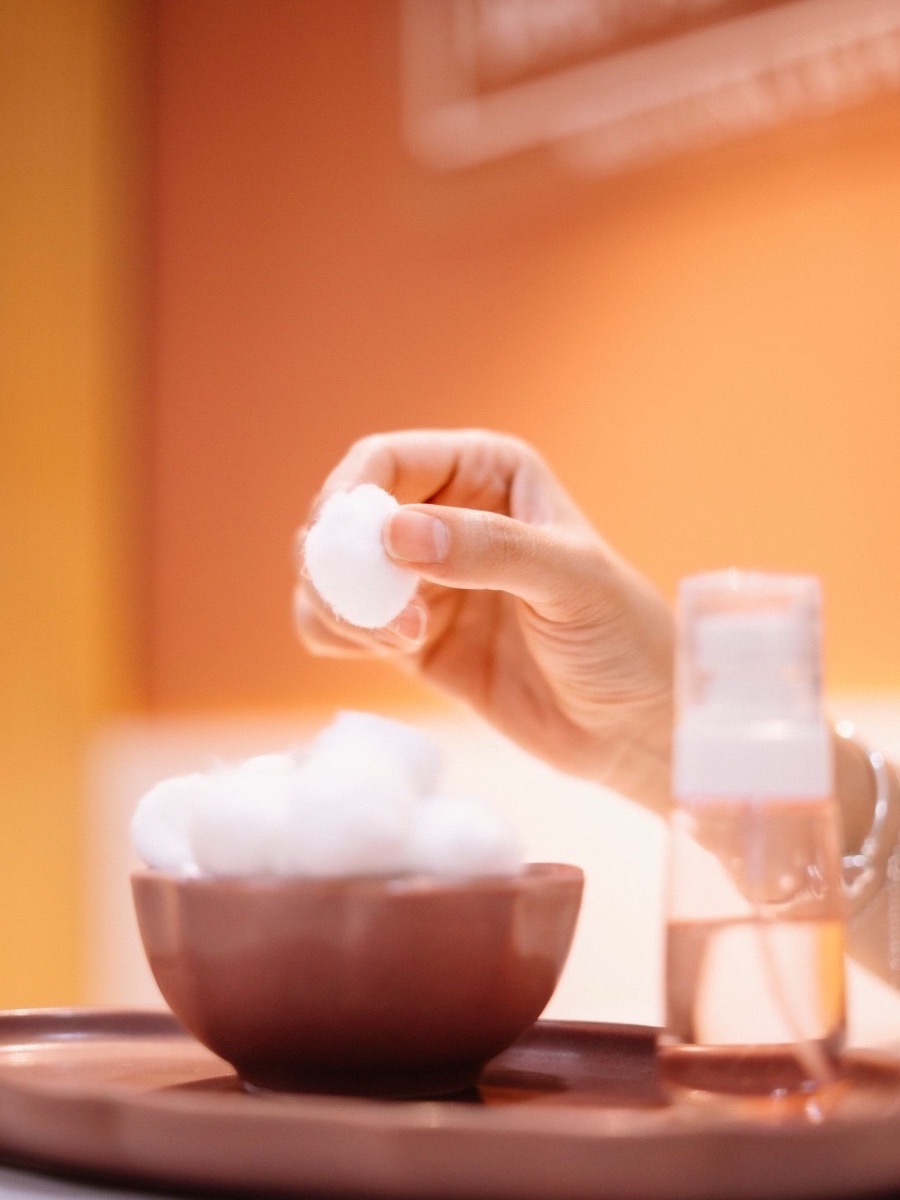
Water-clear; zinc PCA, glycerin, betaine, panthenol, sodium PCA. Applied with a cotton pad after cleansing or patted in by hand — for oily and combination skin wanting a clean, light feel.
Zinc PCA – niacinamide toner for oily skin
Adds 2% niacinamide — the level of the human sebum trial cited on the niacinamide & zinc serum page. The phrase “helps reduce the look of shine” is used only after measurement on the finished product itself, and is a claim of the whole formula. This is a light toner, not a scaled-down niacinamide & zinc serum: lower levels, applied with a cotton pad.
Slightly thickened zinc PCA – hyaluronate toner
A low level of Hydroxyethylcellulose with Sodium Hyaluronate gives a more nourishing feel for layering — for dehydrated combination skin in air-conditioned rooms. Hyaluronate is an anionic polymer: viscosity is fixed on the complete formula with zinc.
Packaging is part of the formula
Flip-top or narrow-neck screw-cap bottles limit contamination from hands; pumps only after compatibility testing. Checked sources do not describe zinc PCA as light-sensitive; gaskets and stoppers are soak-tested with the sample because metal ions can interact with materials.
Parameters we monitor
What our R&D lab measures on each sample
These are the parameters Butter-C monitors during formula development and scale-up. Specific limits are agreed with you on the approved sample and then written into the product’s in-house specification.
- Raw material COA
- Zinc PCA per batch: % zinc, moisture or hydrate form, water solubility (the basis for applying Ref 24), heavy metals; identity against the retained sample.
- Appearance & clarity
- Color, odor, clarity against the reference sample; watch for haze or white precipitate that may come from zinc, including at 4 °C.
- pH
- Measured directly at 25 °C on each batch; pH drift tracked across stability points.
- Density & conductivity
- Two quick batch-identity checks for an all-water system with salts, catching mixing errors.
- Total zinc
- Zinc assayed in the finished product (atomic absorption or ICP — good practice) to show it does not exceed 1% calculated as zinc.
- Stability
- Accelerated aging at 40 °C, freeze–thaw cycling and storage at 4 °C in the real packaging; watch for precipitate, color change, separation, viscosity (thickened version).
- Niacinamide content
- For the niacinamide version: HPLC assay at the start and after stability testing.
- Microbiology & challenge test
- Finished product tested at a GLP / ISO 17025-accredited laboratory; preservative efficacy (challenge) test to ISO 11930 — required for an all-water system.
- Tolerance & human measurement
- Irritation and tolerance testing on volunteers before sign-off; any shine claim only after sebumeter measurement on the finished product itself.
Claims
Claims within the cosmetic scope
The two human trials with zinc PCA we found: a randomized, double-blind, vehicle-controlled trial in 60 people with mild acne for 8 weeks, using a two-step product with a seaweed-derived oligosaccharide complexed with 0.1% “zinc pyrrolidone” (the abstract’s wording; unclear whether 0.1% salt or zinc — Capitanio et al., 2012); and a randomized, double-blind, multicenter, placebo-controlled trial in 140 people aged 12–50 with moderate acne (127 completed) for 6 weeks, in which both groups also used adapalene — a prescription topical drug — and a cream with nicotinamide, an adhesive agent and zinc PCA reduced non-inflammatory lesions more than placebo at week 2; the study was funded by a pharmaceutical company (Sitohang et al., 2020). Both are combination formulas in people with acne — a medical setting; the MMP-1 and collagen data come from cultured fibroblasts, with company-affiliated authors (Takino et al., 2012). Annex 03-MP of Circular 06/2011/TT-BYT does not accept drug-like claims. Below is the wording Butter-C recommends.
Gently cleanses, leaves skin feeling fresh and clear
Sensory level when used on a cotton pad after cleansing; used once a sensory test has been run on the finished product. Instead of: claims about acting on acne or acne bacteria, preventing breakouts.
Helps reduce the look of shine (only after measurement on the finished product)
Used only after sebumeter measurement on the finished product itself, as a claim of the whole formula. Instead of: all-day oil control, regulating sebaceous glands, reducing sebum thanks to zinc.
Contains zinc PCA — a zinc salt long used in cosmetics for its astringent properties
Ingredient and story statement. Instead of: permanently tightened pores, anti-aging, collagen boosting (cultured-cell data).
Moisturizes, helps soften skin
A function of the humectant base (glycerin, betaine, panthenol, sodium PCA); hydration figures only when measured on the finished product. Instead of: restores skin, strengthens the skin barrier.
Suitable for oily, combination and blemish-prone skin
Describes skin type, not an effect on acne. Persistent or inflamed acne needs a dermatologist. Instead of: replaces a doctor’s product, “helps reduce acne”.
Label reminders
“Patch test on a small area before use. Avoid contact with eyes. Stop use if skin becomes red or stings.” Pregnancy: no specific data — the consultation advises asking a doctor. This page is a facial toner for adults. Instead of: non-irritating, safe in pregnancy, suitable for children.
Manufacturing specifications
Current capabilities
- Texture
- Clear liquid or slightly thickened toner; colorless.
- Format
- Flip-top or screw-cap bottles. Volume agreed when choosing packaging.
- Minimum order quantity
- Agreed per order — depends on formula direction and chosen format.
- Testing
- Tested at a GLP / ISO 17025-accredited laboratory, including total zinc assay; certificate of analysis delivered with each batch.
- Dossier
- Product Information File (PIF) and cosmetic product notification prepared by Butter-C, including the zinc calculation table based on the raw material COA.
- Packaging
- Label design, printing and packing run in parallel with formulation; the patch-test and avoid-the-eyes reminders are laid out from the first label draft.
Suggested product concept
Alcohol-free, fragrance-free zinc PCA – panthenol toner for oily and combination skin
One product direction to help you picture it — not a ready-made product for sale. The actual formula is built around your brand’s positioning and price point.
Zinc PCA 0.5%
About 0.1% zinc based on the theoretical 20.3% content — well below the 1% ceiling calculated as zinc; the exact figure is calculated from the COA and zinc is assayed in the finished product.
Glycerin, Betaine, Panthenol, Sodium PCA
The humectant group — the basis for a moisturizing claim after testing on the finished product.
Alcohol-free, fragrance-free, no exfoliating acids
A short ingredient list; Phenoxyethanol – Ethylhexylglycerin system, no EDTA unless tested.
150 ml flip-top bottle
Used on a cotton pad or poured into the hand; label carries patch-test and avoid-the-eyes reminders.
Customization options
What you can specify
The same product type serves different customers for each brand. Tell us your requirements in the areas below and our pharmacists will build the matching formula.
Zinc level
Zinc PCA percentage, and whether other zinc salts are added — all zinc sources are added together and checked against 1% calculated as zinc (Ref 24).
Texture and application
Water-thin or slightly thickened; cotton pad or patted in by hand.
Supporting ingredients
Panthenol, Allantoin, Betaine, Sodium PCA, Sodium Hyaluronate, Niacinamide — chosen by target skin type and tested for compatibility with zinc ions.
If you want a shine claim
Requires sebumeter measurement on the finished product itself; the cost of volunteer testing is quoted separately.
Companion products
Gel cleanser, niacinamide & zinc serum, light moisturizer in the same line — when sold as a set, zinc is calculated for each product separately.
Ingredient positioning
Alcohol-free, fragrance-free, vegan — please state these at the start so suitable raw materials can be chosen.
Further reading
Related knowledge
Zinc PCA in cosmetics
Level of evidence, the zinc salt limit under ASEAN Annex III and formulation notes (in Vietnamese).
Toner manufacturing
General page: hydrating, balancing and exfoliating toners.
Niacinamide & zinc serum manufacturing
A stronger direction: a serum with two assayed actives, using the same COA-based zinc calculation.
Green tea toner manufacturing
A toner built on a different signature ingredient, with the same sensory-level claims.
Oily skin and enlarged pores
Why skin produces excess oil and how far cosmetics can help (in Vietnamese).
The skin barrier
Why oily skin still needs hydration (in Vietnamese).
How we work
From idea to finished batch
Eight steps and three milestones signed off by both sides: approved sample, notification number, finished batch. Step-by-step details (in Vietnamese) →
Get started
Tell us about the product you plan to launch
Send us your product direction and expected volume. Our team will get back to you during business hours (Vietnam time, GMT+7).
Head office: Huu Le village, Dai Thanh commune, Hanoi · Factory: Thanh Oai Industrial Cluster, Binh Minh commune, Hanoi, Vietnam
Hotline +84 967 176 511 · [email protected] · Privacy policy ← Full catalog