 BUTTER-C
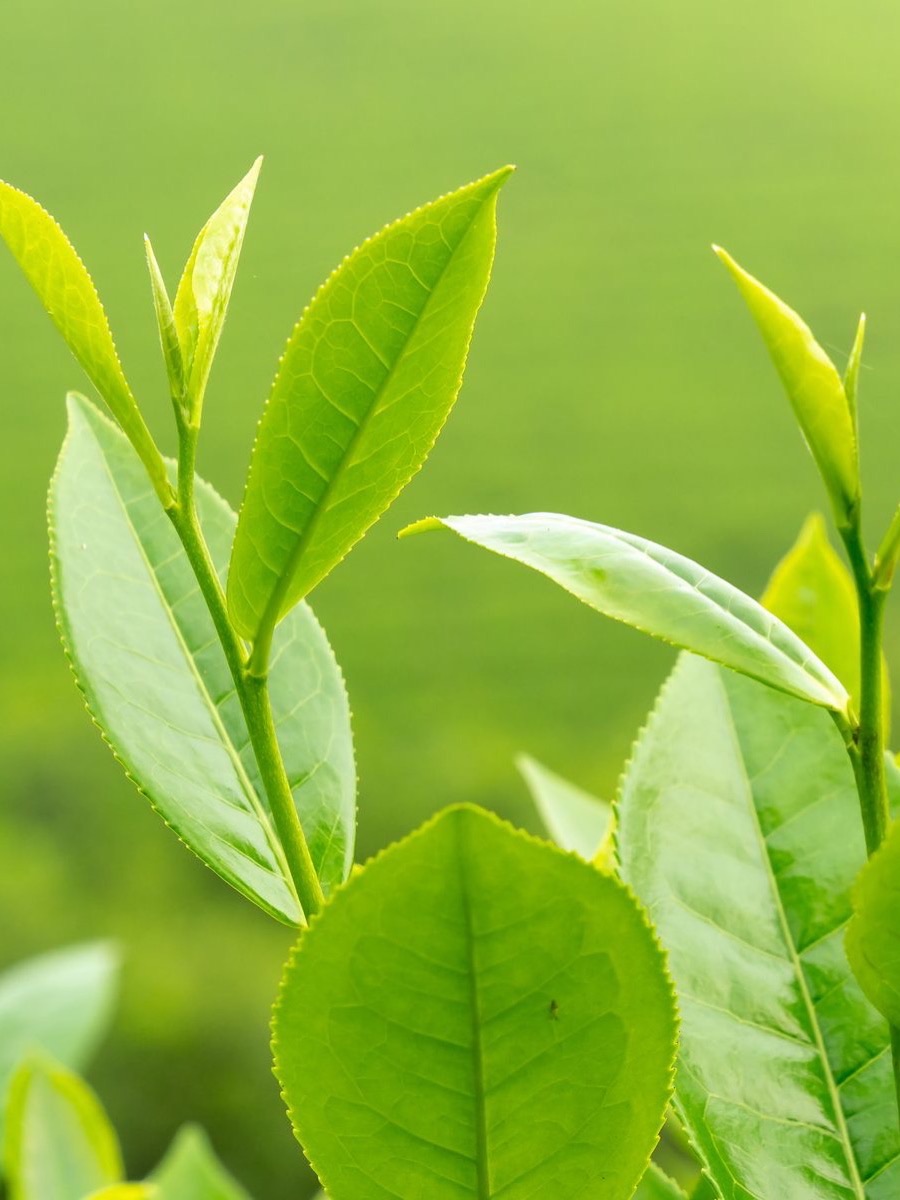
Signature ingredients
Green tea toner OEM/ODM manufacturing
Green Tea Toner · Signature Ingredients · OEM/ODM
Tea is woven into Vietnamese daily life, from the pot offered to guests to the tea hills of the midlands — a familiar story for a toner, told as culture rather than evidence. The signature ingredient is tea leaf extract (INCI: Camellia Sinensis Leaf Extract), a natural mixture containing catechins, especially EGCG. Human skin data on green tea extract are few: the UV studies are short experiments — applying the extract 30 minutes before solar-simulated radiation reduced redness in a dose-dependent way, but the extract does not filter UV (SPF of 1); studies on sebum and elasticity are all small and use different formulas — limited evidence. The CIR Expert Panel concluded that tea leaf-derived ingredients are safe in present practices of use when formulated to be non-sensitizing. Butter-C’s green tea toner is therefore an alcohol-free water toner claiming “gently cleanses, helps skin feel calm” (sensory, to be tested on the finished product) and “contains green tea extract — an antioxidant ingredient”, with no promise of sun protection or effects on acne. The technical work lies in keeping catechins color-stable in an all-water system: adding them in the cool-down phase, binding metal ions, using light-blocking bottles and tracking color through stability testing. Butter-C offers full-service OEM/ODM manufacturing, from formula development and testing to labeled finished product with its notification dossier.
Formula base
Tea leaf extract in an alcohol-free water toner base
A toner is almost all water, so the extract’s color and clarity show immediately; hydration and microbial stability are decided by the base, while tea leaf extract is the signature ingredient. Unlike the general toner page and the green tea body wash page (rinse-off), this is a leave-on facial product.
Tea leaf extract — read the raw material correctly
The raw material in Butter-C’s current catalog is declared as Camellia Sinensis Leaf Extract, a liquid in a water – glycol base according to the technical note: the percentage in the formula is that of the preparation, not of the extract itself, and the label lists the solvents and any preservative carried in, per the TDS/COA. The name in the raw material file includes the place name Jeju Island (South Korea) — origin goes on the label only when the COA or supplier documents confirm it.
Hydration and comfort
Glycerin, Butylene Glycol or Propanediol and Betaine hold water in the stratum corneum; Panthenol and Allantoin add comfort; Sodium Hyaluronate or Xanthan Gum give the slightly thickened version. This part carries the product’s moisturizing and softening function.
Preservation, chelation and pH
Phenoxyethanol (maximum 1.0% — Annex VI Ref 29) with Ethylhexylglycerin; Disodium EDTA binds metal ions because the raw material’s technical note warns that metal ions discolor the extract; Citric Acid and Sodium Citrate adjust and buffer pH. The general toner page keeps hydrating toners at pH 5.0–6.0; EGCG is more stable at low pH (EGCG data), so Butter-C runs stability tests at the lower end of that range and fixes the pH by color and odor across the stability points.
Points to weigh when choosing
Alcohol-free and fragrance-free for a gentle positioning. The extract’s own color is pale yellow-brown, not green — a green color, if wanted, comes from an added colorant. Zinc salts and cationic ingredients are not combined in the same bottle without color and clarity testing. This page does not cover mist sprays.
Key technical points
Four points specific to putting green tea into a toner
The issues below come from the tea leaf extract itself: reading the raw material form correctly, unstable catechins, the right plant part, and the accompanying constituents to ask the supplier about.
Leaf extract ≠ pure EGCG ≠ drinking tea
Tea leaf extract is a mixture of polyphenols, caffeine and minerals with small amounts of vitamins, amino acids and carbohydrates; its composition varies with raw material and processing. Much of the mechanism and stability data belong to pure EGCG; data on drinking tea or oral supplements are not evidence for a topical product. The COA states the plant part (leaf), extraction solvent, and polyphenol or catechin content with the supplier’s test method.
Unstable catechins — keeping the color is the main job
According to a review by Frasheri et al. (2020, with a co-author from a cosmetics company), EGCG is unstable; higher concentration, low temperature and low pH correlate with better stability. Beverage data: catechins were stable in water at room temperature, brewing at 98 °C for 7 hours degraded them by 20%, and autoclaving at 120 °C for 20 minutes epimerized EGCG; with citric and ascorbic acid present, stability varied despite low pH — other ingredients may interact with catechins (Chen et al., 2001). A low pH therefore does not replace stability testing of the actual formula. In practice: the extract goes in at the cool-down phase with Disodium EDTA, in light-blocking bottles, with color, odor and pH tracked during stability testing.
The right plant part, per CIR
CIR (Becker et al., 2019) concluded that Camellia sinensis leaf-derived ingredients are safe in the present practices of use and concentration assessed when formulated to be non-sensitizing; the data are insufficient for non-leaf ingredients. Drinking tea gives much larger systemic exposure than cosmetic use, so concern over systemic toxicity is mitigated. The Panel also advises avoiding several botanical extracts with shared constituents of concern adding up to levels that may cause sensitization.
Regulation and methylxanthines
Green tea extract, catechins, EGCG and caffeine are not named in ASEAN Annexes II, III or VI (version 06/2026). Theophylline — a methylxanthine — is listed in Annex II (“Theophylline; 1,3-dimethyl-3,7-dihydro-1H-purine-2,6-dione 58-55-9 A1137”); Butter-C’s ingredient file has no checked source on whether or at what level theophylline occurs in tea leaf extract, so when needed Butter-C asks the supplier for a methylxanthine profile.
Three formulation directions
Three green tea toners for three customer groups
Alcohol-free, fragrance-free green tea – panthenol liquid toner
A clear solution with the extract’s natural pale yellow tint; glycerin, betaine, panthenol, allantoin. Applied with a cotton pad after cleansing or patted in by hand — for normal and combination skin wanting a light toner with a botanical story.
Slightly thickened green tea – hyaluronate toner
A low level of Sodium Hyaluronate or Xanthan Gum for layering, aimed at dry or dehydrated skin. Frasheri et al. (2020) note that the interaction between EGCG and hyaluronic acid strengthens antioxidant activity — EGCG data, a reason for the pairing only, not a claim.
Pale green green tea toner
When a brand wants green on the shelf: CI 42090 (blue) with CI 19140 (yellow) at very low levels — both are marked in column 1 of ASEAN Annex IV (allowed in all cosmetic products). The color comes from the colorants, with CI names on the label; water-soluble colorants can fade in clear bottles — a fade test in the actual bottle comes before sign-off.
Packaging is part of the formula
Tinted or frosted light-blocking bottles for an extract prone to discoloration; clear bottles only after the sample passes a light-exposure test. Flip-top or narrow-neck screw-cap bottles limit contamination from hands.
Parameters we monitor
What our R&D lab measures on each sample
These are the parameters Butter-C monitors during formula development and scale-up. Specific limits are agreed with you on the approved sample and then written into the product’s in-house specification.
- Incoming extract certificate of analysis
- Plant part (leaf), solvent, polyphenol or catechin content by the supplier’s method, microbiology, heavy metals; origin if a place name is to be used — per batch.
- Appearance & color
- Color, odor, clarity against the reference sample; watch for browning or haze at 40 °C, room temperature, 4 °C and under light.
- pH
- Measured directly at 25 °C on each batch; pH drift tracked across stability points.
- Density & conductivity
- Two quick batch-identity checks for an all-water system, catching mixing errors.
- Stability
- Accelerated aging at 40 °C, freeze–thaw cycling, storage at 4 °C and light exposure in the real packaging; watch for color change, odor change, precipitate, fading (colored version).
- Viscosity
- For the thickened version: rotational viscometer, compared before and after aging.
- Microbiology & challenge test
- Finished product tested at a GLP / ISO 17025-accredited laboratory; preservative efficacy (challenge) test to ISO 11930 — required for an all-water system with a plant extract.
- Tolerance
- Patch testing and in-use testing on volunteers before sign-off — the CIR conclusion depends on formulating to be non-sensitizing; “helps skin feel calm” is used only after a sensory test.
- Packaging compatibility
- Filled into the actual bottle and cap; seal, material odor and light transmission tracked.
Claims
Claims within the cosmetic scope
Human skin data for green tea extract: applying the extract or individual catechins 30 minutes before solar-simulated radiation at twice the minimal erythema dose reduced redness in a dose-dependent way and reduced sunburn cells and DNA damage (Elmets et al., 2001) — a short experiment that does not measure everyday use; green and white tea extracts showed an SPF of 1, and the authors suggest using them alongside established sun protection (Camouse et al., 2009). A water-in-oil emulsion with 3% ethanolic extract applied to the cheeks of 10 healthy men for 8 weeks gave a statistically significant change in sebum; the abstract does not describe a control group or state the direction or size of the change (Mahmood et al., 2010) — of the studies summarized in the ingredient article, only this one states the concentration in its abstract; a trial of green tea lotion in people with acne is a medical setting. Annex 03-MP of Circular 06/2011/TT-BYT does not accept drug-like claims. Below is the wording Butter-C recommends.
Gently cleanses, helps skin feel calm
Sensory level when used on a cotton pad after cleansing; used once a sensory test has been run on the finished product. Instead of: drug-like claims about redness, inflammatory reactions, irritated skin.
Contains green tea extract — an antioxidant ingredient
Antioxidant is the cosmetic function of tea leaf-derived ingredients per CIR; any claim about protecting skin from environmental stress only with data on the finished product itself. Instead of: sun protection, replaces sunscreen, stating an SPF, prevents DNA damage, anti-aging.
Moisturizes, helps soften skin
A function of the humectant base (glycerin, betaine, panthenol, hyaluronate); hydration figures only when measured on the finished product. Instead of: restores skin, mends skin.
The tea leaf story
Tea hills and the Vietnamese teapot told as culture; place names (including “Jeju”) only when the COA confirms origin; a green color from colorants is declared by CI name. Instead of: “natural green from tea leaves” when the color comes from colorants, “Jeju green tea” without documents.
No claims about acne or sebum
Sebum data come from a few dozen people with different formulas, and acne data are a medical setting — this page does not use them as claims. For an oily-skin positioning, see the zinc PCA toner or the niacinamide & zinc serum (claims measured on the finished product). Instead of: reduces acne, oil control thanks to green tea, acts on bacteria.
Label reminders
“Patch test on a small area before use. Avoid the eye area. Close tightly, store in a cool, dry place away from sunlight.” Sunscreen is still needed during the day. Pregnancy and breastfeeding: not enough data specific to topical use — the consultation advises asking a doctor. Instead of: non-allergenic, safe in pregnancy.
Manufacturing specifications
Current capabilities
- Texture
- Clear liquid or slightly thickened toner; the extract’s natural pale yellow tint, or pale green from permitted colorants.
- Green tea raw material
- Tea leaf extract is in Butter-C’s current raw material catalog; the label is declared from the preparation’s TDS/COA.
- Format
- Tinted or frosted flip-top or screw-cap bottles. Volume agreed when choosing packaging.
- Minimum order quantity
- Agreed per order — depends on formula direction and chosen format.
- Testing
- Tested at a GLP / ISO 17025-accredited laboratory; certificate of analysis delivered with each batch.
- Dossier
- Product Information File (PIF) and cosmetic product notification prepared by Butter-C, with the tea leaf extract COA and a full INCI list of the preparation.
Suggested product concept
Alcohol-free, fragrance-free green tea – panthenol toner, 150 ml tinted bottle
One product direction to help you picture it — not a ready-made product for sale. The actual formula is built around your brand’s positioning and price point.
Green tea leaf extract as the signature ingredient
Preparation level per TDS and the polyphenol standardization on the COA; added in the cool-down phase with Disodium EDTA.
Glycerin, Betaine, Panthenol, Allantoin
The humectant and comfort group — the basis for a moisturizing claim after testing on the finished product.
Alcohol-free, fragrance-free, no added color
A short ingredient list; the extract’s pale yellow tint is kept stable through pH and packaging.
150 ml tinted flip-top bottle
Light-blocking for catechins; label carries patch-test, avoid-the-eyes and daytime sunscreen reminders.
Customization options
What you can specify
The same product type serves different customers for each brand. Tell us your requirements in the areas below and our pharmacists will build the matching formula.
Texture and application
Water-thin or slightly thickened; cotton pad or patted in by hand.
Color
The extract’s natural yellow tint or pale green from Annex IV colorants — this decides the packaging and the fade test.
Supporting ingredients
Panthenol, Allantoin, Betaine, Sodium Hyaluronate — chosen by target skin type; when adding other plant extracts, avoid sensitizing constituents adding up.
Origin story
Vietnamese tea, Korean tea or no place name — a place name only when the supplier has documents.
Target users
Normal, combination or dry skin — this decides the formula direction and the tolerance testing needed.
Ingredient positioning
Alcohol-free, fragrance-free, vegan — please state these at the start so suitable raw materials can be chosen; “organic” only with certification for the raw materials and the formula.
Further reading
Related knowledge
Green tea extract in cosmetics
Catechins and EGCG, topical evidence, formula stability and the CIR safety assessment (in Vietnamese).
Toner manufacturing
General page: hydrating, balancing and exfoliating toners.
Green tea body wash manufacturing
The same ingredient in a rinse-off product: short contact time, claims about cleansing and fragrance.
Zinc PCA toner manufacturing
Another toner for oily and combination skin, with zinc calculated under ASEAN Annex III.
Light and the skin
How UVA, UVB and visible light affect skin, and how to choose and use sunscreen correctly (in Vietnamese).
Sensitive skin
How sensitive skin differs from irritation and allergy, and principles for choosing cosmetics (in Vietnamese).
How we work
From idea to finished batch
Eight steps and three milestones signed off by both sides: approved sample, notification number, finished batch. Step-by-step details (in Vietnamese) →
Get started
Tell us about the product you plan to launch
Send us your product direction and expected volume. Our team will get back to you during business hours (Vietnam time, GMT+7).
Head office: Huu Le village, Dai Thanh commune, Hanoi · Factory: Thanh Oai Industrial Cluster, Binh Minh commune, Hanoi, Vietnam
Hotline +84 967 176 511 · [email protected] · Privacy policy ← Full catalog