 BUTTER-C
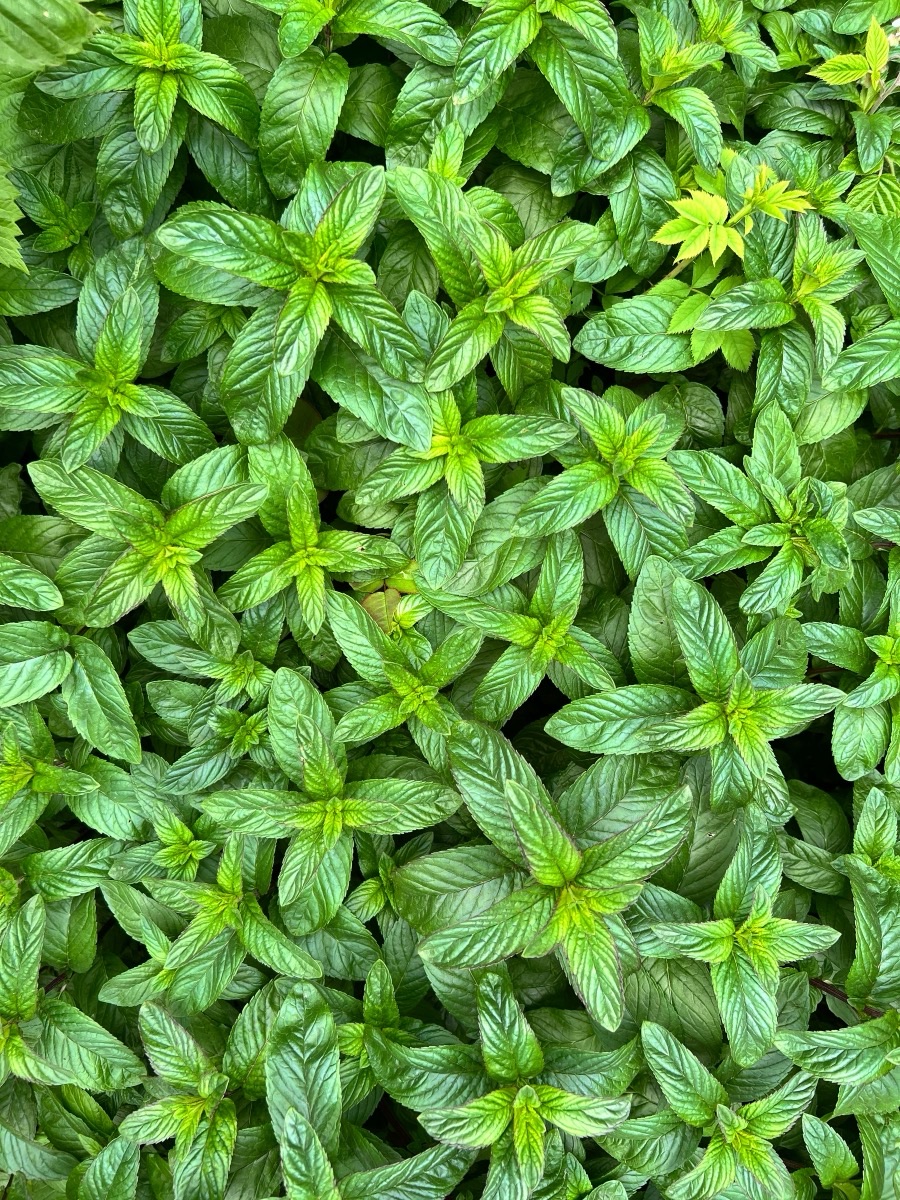
Signature ingredients
Peppermint toothpaste OEM/ODM manufacturing
Peppermint Toothpaste · OEM/ODM
The cool taste of mint is almost the default “clean” flavor of toothpaste: consumers expect a cooling sensation spreading through the mouth and fresh breath after brushing. The named ingredient on this page is peppermint oil (INCI Mentha Piperita Oil), distilled from Mentha × piperita — a mixture rather than a single substance: according to the European Pharmacopoeia ranges, menthol makes up 30–55%, with menthone, menthofuran, pulegone, limonene and others making up the rest, and the profile varies from lot to lot. The cooling feel comes from stimulating cold-sensing receptors, not from lowering temperature; in a toothpaste the oil contributes flavor and sensation, so the product claims fresh breath, a cool feel and clean teeth thanks to the paste base. What makes a well-built peppermint toothpaste is the technical work: a COA for every lot stating menthol, pulegone and menthofuran; a total-menthol sheet adding the oil, menthol crystals and flavor; and allergy awareness — peppermint oil is a recognized contact allergen, most often affecting the face (including the lips), with oral hygiene products as a common source. Unlike our general toothpaste page (fluoride, abrasives) and our peppermint shampoo page (scalp), this page goes into what is specific to peppermint in the mouth: the right species and INCI name, how to total menthol, symptoms on the lips and oral mucosa, and our recommendation not to use it for young children. Butter-C offers full-service OEM/ODM manufacturing, from formula development and testing to labeled finished product and notification dossier.
Formula base
Peppermint oil at flavor level in a toothpaste base
Peppermint oil is a small part of the formula; the rest is a familiar toothpaste base with abrasive, humectants, foaming agent, sweeteners and a challenge-tested preservative system.
Peppermint oil: read the material correctly
CosIng defines Mentha Piperita Oil as the volatile oil obtained from peppermint, Mentha piperita, CAS 8006-90-4 / 84082-70-2; according to the European Medicines Agency (EMA), Mentha × piperita is regarded as a hybrid of spearmint and water mint, and the oil is steam-distilled from the aerial parts of the flowering plant. Easily confused materials: Mentha Arvensis Leaf Oil (corn mint — a different species; peppermint specifications do not apply), Menthol (a single substance with its own dossier), Mentha Piperita Leaf Extract (a leaf extract whose composition depends on the solvent). Name trap: CosIng describes “Mentha Piperita American Herb Oil” as pennyroyal oil, not peppermint oil — not accepted as a substitute.
Composition varies by lot
European Pharmacopoeia ranges (cited by EMA): menthol 30–55%, menthone 14–32%, isomenthone 1.5–10%, menthyl acetate 2.8–10%, cineole 3.5–8%, menthofuran 1–8%, limonene 1–3.5%, pulegone up to 3%, carvone up to 1%. The CIR report (2018) notes that pulegone occurs in young leaves and is converted to menthol as the leaves mature; one supplier reported 1–4% pulegone depending on origin. That is why the certificate of analysis (COA) for each lot — menthol, pulegone, menthofuran, limonene — matters more than a general description.
Paste base and foaming agents
Hydrated silica as the abrasive; sorbitol and glycerin as humectants; xanthan gum and cellulose gum for structure — as on our toothpaste page. Sodium Lauryl Sulfate for rich foam; Cocamidopropyl Betaine for a moderate-foam, SLS-free version.
Added menthol, taste and preservation
Menthol crystals keep the cooling level steady between lots; xylitol and sodium saccharin give sugar-free sweetness. Sodium Benzoate in oral care products is limited to 1.7% as benzoic acid (ASEAN Annex VI, Ref 1); the preservative system is challenge-tested per ISO 11930. Peppermint oil is not a preservative: the preamble to Annex VI notes that many essential oils have antimicrobial properties but “are not included in the ANNEX”. The version described on this page is fluoride-free.
Key technical points
Total menthol, dissolution, sensory testing, allergy and regulation
These are the points where a peppermint toothpaste needs more care than an ordinary flavored toothpaste; each is settled with the material COA, a calculation sheet and tests on samples.
Total menthol from all sources
Total menthol = % oil × menthol content on the COA (30–55%) + menthol crystals + menthol in the mint flavor per the flavor supplier's declaration. Example: 1% oil already carries about 0.30–0.55% menthol. The CIR conclusion (2018) comes with the condition “when formulated to be non-sensitizing”; CIR notes that when several botanicals share constituents (such as menthol or limonene), formulators should total them to avoid reaching hazardous levels. The total-menthol sheet is kept in the formula file and recalculated whenever the oil lot or flavor changes.
Level set by sensory testing
The sources we checked give no “standard concentration” of peppermint oil for toothpaste. The CIR survey (2017 data, maximum reported use levels in the US market, not recommendations): rinse-off up to 1.9%, mucous membrane products up to 3.9% (bath products), products that may be ingested 0.05–2.9% (the highest being lipstick). In one sensory study, at the same 1% oil, a base with fewer non-polar components felt cooler, and partly dementholized oil felt no less cool than regular oil after 5 minutes (Damonte et al., 2011 — skin creams; the first author is from a cosmetic development company). The oil and menthol levels are therefore set by brushing tests at 2–3 levels in the actual paste.
Dissolve first, add cool
According to the properties table in the CIR report, peppermint oil dissolves in alcohol (1 volume in 3 volumes of 70% alcohol), in most vegetable oils, and is insoluble in propylene glycol. Menthol crystals are only slightly soluble in water (PubChem: about 456 mg/L at 25 °C). Plant practice (no quantitative source, to be validated): pre-dissolve oil and menthol in the flavor system or a solubilizer, add in the cool-down phase and keep vessels closed to limit evaporation.
Allergy on the lips and oral mucosa
The North American Contact Dermatitis Group (2009–2020) patch-tested 2% peppermint oil in 28,128 patients: 161 (0.6%) were allergic; the face was the most common site (31.7%, of which one-third specified the lips); common sources were oral hygiene products, foods and lip products; about 40% of cases would have been missed with fragrance screening allergens alone (Warshaw et al., 2025). Morton et al. (1995) described 12 patients with intra-oral symptoms (burning mouth, recurrent oral ulceration, lichenoid reactions) sensitized to menthol and/or peppermint oil; 6 of the 9 who could be contacted reported clearance or improvement after avoiding menthol and peppermint. A survey of 48 toothpastes in Finland cites the literature: the most common allergens in toothpastes are flavors (cinnamic aldehyde, cinnamon oil, peppermint) and preservatives (Sainio and Kanerva, 1995).
Young children, pregnancy
The EMA herbal monograph contraindicates peppermint oil in children under 2 years “because menthol can induce reflex apnoea and laryngospasm” (medicinal context). ASEAN rules have no specific warning; Butter-C's recommendation: do not position a peppermint toothpaste for young children — children's lines use other flavors, following our children's toothpaste page. Pregnancy and breastfeeding: EMA states safety has not been established (for herbal medicines); for cosmetics the data are insufficient, so users should ask their doctor.
ASEAN, Vietnam and EU export rules
Mentha Piperita Oil, pulegone, menthofuran and menthol are not listed in Annexes II, III, VI (version 2026-1) or VII (version 2025-2); Annex III leaves entries 67–92 blank (“Entries left intentionally blank”). No limit does not mean no assessment: safety is substantiated in the Product Information File (PIF). Circular 06/2011/TT-BYT allows the generic label term “fragrance”; when peppermint is the named ingredient, the label should carry the correct INCI per the COA. EU export: Regulation (EU) 2023/1545 requires labeling of Mentha piperita oil (Annex III entry 361), menthol (entry 338) and limonene (entry 88) above 0.01% in rinse-off products; non-compliant products may be placed on the EU market until 31 July 2026 and made available until 31 July 2028.
Three formulation directions
Three lines of peppermint toothpaste
Strong mint, silica base
Hydrated silica, SLS, peppermint oil plus menthol crystals; clearly cool, rich foam, an everyday line for adults. The stronger the cooling, the easier it is to sting the mucosa — total menthol is set by brushing tests.
Peppermint oil as the named ingredient, no menthol crystals
The cooling feel and aroma come from oil with a COA for every lot; a rounder aroma, but the cooling level follows the menthol content of each lot, so the use level is recalculated when the lot changes.
Gentle mint, moderate foam, SLS-free
Cocamidopropyl Betaine instead of SLS, a low oil level, xylitol for sweetness; “SLS-free” can be stated as a composition description; mildness is assessed on the finished product, with no “non-irritating” claim.
Packaging is designed with the formula
Laminate or aluminum tube, tight screw cap or flip-top cap to limit flavor loss; essential oils can interact with some plastics and gaskets, so they are soak-tested with the formula (formulation experience).
Parameters we monitor
What our R&D lab measures on every sample
Below are the parameters Butter-C monitors during formula development and scale-up. Specific limits are agreed with you on the approved sample and then written into the product's in-house specification.
- Incoming oil COA
- Every lot: species, INCI per the COA, menthol, menthone, pulegone, menthofuran, limonene; confirming it is Mentha piperita and not Mentha arvensis.
- Total-menthol sheet
- Menthol from the oil, menthol crystals and mint flavor; recalculated when the lot or flavor changes; kept in the PIF.
- pH
- Measured on a diluted slurry by the prescribed method; tracked across stability time points because the preservative system depends on pH.
- Taste, cooling & odor
- Brushing tests against the reference sample for cooling, sting and aftertaste; rechecked after accelerated aging because menthol and oil can be lost.
- Viscosity, extrusion
- Paste extrudes evenly, sits on the brush, no water separation, no running; remeasured after adding oil and menthol.
- Stability
- Freeze–thaw cycling, storage at 40°C; watching for water separation, dried tube tips, menthol crystallization, color change, fading or off-notes.
- Microbiology & preservative challenge
- Tested at a GLP / ISO 17025-accredited laboratory; preservative efficacy (challenge) test per ISO 11930; the essential oil is not counted as a preservative.
- Heavy metals
- Mineral abrasives are a source to control; cross-checked with certificates of analysis and tested on the finished product.
- Packaging compatibility
- Monitoring flavor absorption into the tube liner, aluminum tube corrosion and cap leakage.
Claims
Claims for a peppermint toothpaste
For oral hygiene and care products, Appendix 03-MP of Circular 06/2011/TT-BYT (the ASEAN cosmetic claims guidelines) does not accept claims about preventing tooth abscess, gum disease, gingivitis, mouth ulcers, periodontitis, pus around the teeth, palatitis, misaligned teeth or oral infections, nor whitening tetracycline stains. At cosmetic level, peppermint oil contributes flavor and a cooling feel; medical studies (headache, itch) belong to the drug field and are not a basis for claims. Butter-C reviews the wording on labels and promotional materials when preparing the notification dossier.
Cool peppermint flavor, cooling feel in the mouth
Instead of: “cools down the mouth”, “soothes mouth ulcers”, drug-like claims about the oral mucosa.
Helps keep breath fresh (for the whole product, with testing)
Instead of: drug-like claims about bad breath, claims to act on bacteria, “eliminates odor at the source”.
Cleans teeth; helps remove plaque during brushing
Instead of: prevents cavities, drug-like claims about plaque, gingivitis or periodontal disease.
Contains peppermint oil (Mentha Piperita Oil)
Instead of: “naturally preserved with mint”, all-natural, “hypoallergenic”; menthol crystals or synthetic flavor are not called “peppermint oil”.
Fluoride-free — a statement of composition only
Instead of: prevents cavities, replaces fluoride, remineralizes, restores enamel.
Warnings and intended users
Spit out after brushing, rinse, do not swallow. Stop use if burning in the mouth, swollen or red lips, sores or white patches on the oral mucosa appear — peppermint oil and menthol are recognized contact allergens. People already allergic to peppermint, menthol or fragrance should not use it. Butter-C recommendation (ASEAN rules have no specific warning): not for young children; children's lines use other flavors. Pregnancy and breastfeeding: data are insufficient, ask a doctor. Persistent symptoms call for a dentist or dermatologist. Instead of: suitable for the whole family including babies, gentle for everyone.
Manufacturing specifications
Available capabilities
- Texture
- White paste, striped paste or gel on request.
- Pack formats
- Laminate tube, aluminum tube, screw cap or flip-top cap. Fill weight agreed when selecting packaging.
- Minimum order quantity
- Agreed per order and per flavor.
- Testing
- Performed at a GLP / ISO 17025-accredited laboratory; certificate of analysis delivered with every batch.
- Dossier
- Product Information File (PIF) and notification dossier prepared by Butter-C, with the peppermint oil COA per lot and the total-menthol sheet.
- Packaging
- Label design, carton, printing and packing run in parallel with formula development.
Suggested product concept
Cool fluoride-free peppermint toothpaste
A product direction to help you picture the idea, not a ready-made product for sale. The actual formula is developed to match your brand's positioning and price range.
Peppermint oil as the named ingredient
COA stating species, menthol, pulegone and menthofuran; use level set by brushing tests in the actual base.
Menthol on one sheet
Low-dose menthol crystals for steady cooling, added to the menthol in the oil so the taste is cool but not harsh.
Silica base and xylitol
Hydrated silica for moderate cleaning, xylitol and sorbitol for a sugar-free sweet finish.
120 g tube and carton
The carton tells the mint story, carries a stop-use-if-irritated warning, the recommendation not to use for young children and claims reviewed against Appendix 03-MP.
Customization options
Options you can specify
The same product type serves different customer groups for different brands. Tell us your requirements in the areas below and our pharmacists will develop the matching formula.
Fluoride
This page describes a fluoride-free version. When needed, the formula moves to a fluoride toothpaste with the mandatory limits and warnings (sodium fluoride: Annex III Ref 31, up to 0.15% calculated as F, totaled across all fluorine compounds; see our toothpaste page); “helps prevent cavities” is used only when confirmed by regulatory review; peppermint stays in its flavor role.
Cooling level
Light, medium or strong cooling — each level is a different total menthol, set by brushing tests.
Mint source
Peppermint oil, menthol crystals or corn mint oil (Mentha Arvensis Leaf Oil) — INCI per the COA; a place of origin is stated only when the COA and supplier documents confirm it.
Companion flavor
Mint – cinnamon (calculated against IFRA limits, see our cinnamon toothpaste page), mint – clove (methyleugenol calculated per Annex II Ref 451) — each added flavor needs a composition declaration for the cumulative calculation.
Target market
Domestic or EU export (list Mentha Piperita Oil, Menthol and Limonene above 0.01% in rinse-off products).
Product set
Peppermint toothpaste paired with a mouthwash in the same flavor family; total menthol is calculated separately for each product.
Further reading
Related knowledge
Peppermint oil (Mentha piperita) in cosmetics
Lot-to-lot composition, pulegone, menthofuran, lip and mouth allergy, young children and EU labeling (in Vietnamese).
Menthol in cosmetics
How the cooling sensation works and the separate safety profile of menthol crystals (in Vietnamese).
Toothpaste OEM/ODM manufacturing
The general technical base, fluoride and mandatory warnings.
Children's toothpaste OEM/ODM manufacturing
Children's lines use fruit or milk flavors instead of mint.
Peppermint shampoo OEM/ODM manufacturing
The same mint and menthol ingredients, used for the scalp.
Circular 06/2011/TT-BYT
Appendix 03-MP: claims not accepted for oral care products (in Vietnamese).
How we work
From idea to finished batch
Eight steps and three milestones signed off by both sides: approved sample, notification number, finished batch. Step-by-step details (in Vietnamese) →
Get started
Tell us about the product you plan to launch
Send us your product direction and expected volume. Our team will get back to you during business hours (Vietnam time, GMT+7).
Head office: Huu Le village, Dai Thanh commune, Hanoi · Factory: Thanh Oai Industrial Cluster, Binh Minh commune, Hanoi, Vietnam
Hotline +84 967 176 511 · [email protected] · Privacy policy ← Full catalog