 BUTTER-C
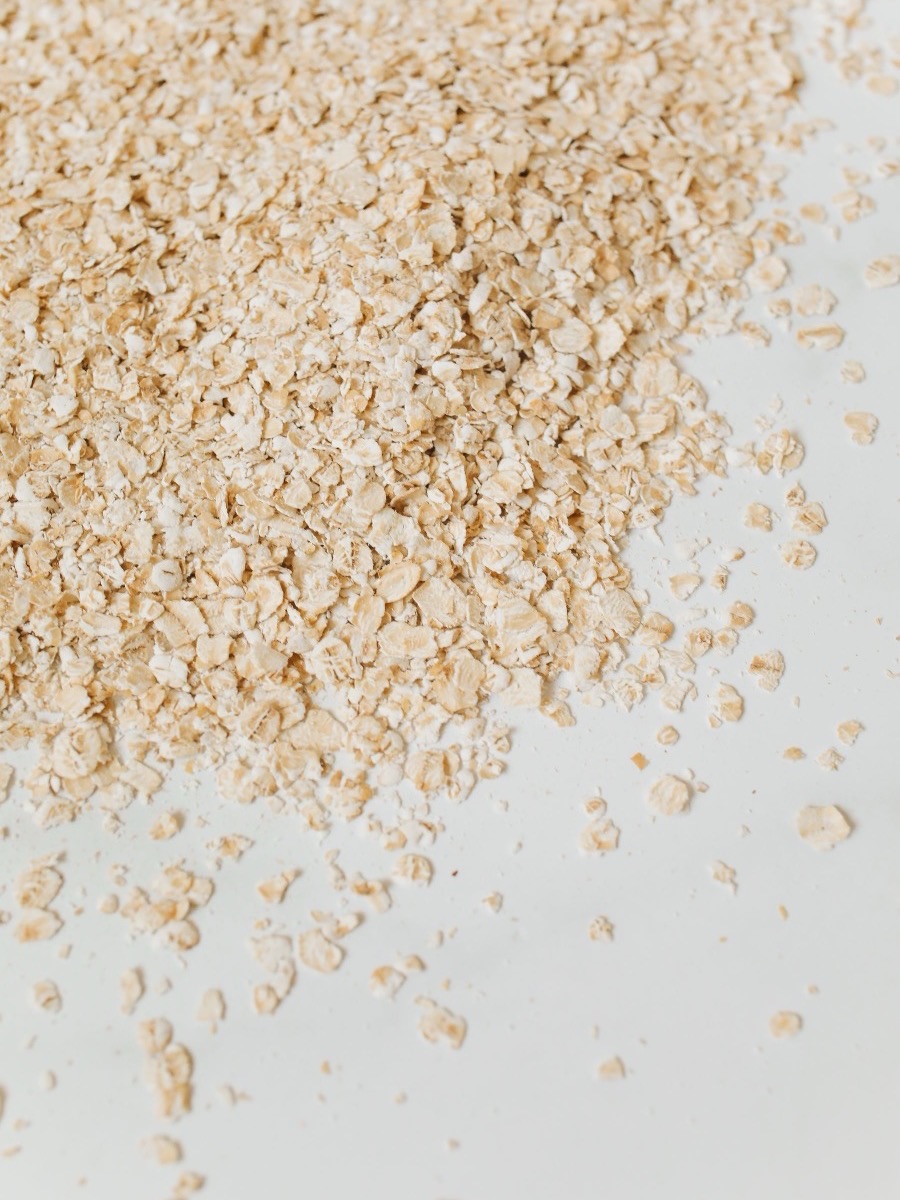
Signature ingredients
Oat moisturizing cream OEM/ODM manufacturing
Oat Moisturizing Cream · OEM/ODM
Oats are a familiar breakfast grain, and in cosmetics they appear in very different forms. The form with the most data is colloidal oatmeal (INCI Avena Sativa Kernel Flour), oat kernels milled very finely so that they disperse in water and leave a thin layer on the skin; in the United States this powder is also an active ingredient in the over-the-counter drug monograph for "skin protectants" (21 CFR 347), a U.S. drug rule, not an ASEAN cosmetic limit. The raw material stocked at the Butter-C plant, however, is a liquid extract: a blend of water, oat kernel extract (Avena Sativa Kernel Extract), butylene glycol and 1,2-hexanediol. Trials of colloidal oatmeal, mostly in people with atopic dermatitis or eczema and so in a medical setting, are not attributed to the extract, and we have not found a human trial testing oat kernel extract alone against its vehicle. The oat cream is therefore positioned for dry skin and a dry, rough feel on the face and body: moisturizing is carried by glycerin, emollients and the cream base, while oat is the named ingredient with a clear story and a label that states the actual form used. If you want colloidal oatmeal itself, the raw material is sourced per order with a particle-size COA. Butter-C offers turnkey OEM/ODM manufacturing, from formula development and testing to labeled finished goods and the notification dossier.
Formula base
Oil-in-water emulsion with oat as the named ingredient
An oat cream has to work on the face and also spread quickly on the body. Oat is the named ingredient; the cream base does the moisturizing and softening. Because it contains water and an agricultural raw material, the formula needs a preservative system confirmed by a challenge test.
Oat: two raw material forms
The liquid oat kernel extract in stock, a blend of Water, Avena Sativa (Oat) Kernel Extract, Butylene Glycol, 1,2-Hexanediol: percentages refer to the blend, and the label lists all four INCI names. Or colloidal oatmeal, Avena Sativa Kernel Flour, sourced per order. They are two different INCI names and their data are not shared.
Humectants
Glycerin is the backbone of the formula, supported by Panthenol and Sodium PCA. This is the main basis for a moisturizing claim.
Emollients and lipids
Shea butter, Caprylic/Capric Triglyceride, Squalane, Dimethicone; Ceramide NP with Cholesterol for very dry skin.
Emulsifiers and preservation
Glyceryl Stearate with PEG-100 Stearate and Cetearyl Alcohol, or Cetearyl Olivate for a PEG-free version; Phenoxyethanol up to 1% (ASEAN Annex VI, Ref 29) with Ethylhexylglycerin; Disodium EDTA and Tocopherol for the oil phase.
Key technical points
Four points specific to a cream named after oat
The moisturizing cream base is covered on the general page; the four items below center on the oat raw material itself.
Extract is not colloidal oatmeal
The trial by Lisante et al. (2017) used a 1% colloidal oatmeal cream in 90 children with mild to moderate atopic dermatitis: that is colloidal powder in a medical setting, not data for a liquid extract. Avenanthramides (a phenol group in oats) inhibited the NF-κB signaling pathway in cultured keratinocytes and reduced scratching in mice (Sur et al., 2008): data for the pure compounds, not a human trial. The product page and label state only what belongs to the raw material actually used.
The blend carries glycols
Butylene Glycol and 1,2-Hexanediol in the blend add to the total glycol content of the formula; 1,2-Hexanediol does not replace the preservative system. The blend goes into the cool-down phase without heating (in-house guidance, to be checked against the technical data); a water base supports microbial growth, so every raw material lot is tested for microbes.
If colloidal oatmeal is used
The powder does not dissolve; it disperses in water as a colloid and may settle. It is predispersed in the water phase or glycerin and mixed until uniform, with a check for grittiness; high levels make the cream less smooth and reduce spreadability. COA for every lot: particle size, moisture, microbiology, heavy metals.
Oat protein and the label
Among 302 children with atopic dermatitis referred for allergy testing, 14.6% had a positive atopy patch test to oat, and children under 2 were more likely to test positive (Boussault et al., 2007). The CIR Expert Panel (report 2015, published 2019) concluded that most oat-derived ingredients are safe when formulated to be non-sensitizing, and advised attention to shared constituents when several botanicals are combined. The label clearly states the oat ingredient; the product is not positioned for young children.
Three formulation directions
Three types of oat cream
Daily oat cream for face and body
Oat kernel extract, glycerin, squalane, dimethicone; a light cream that spreads quickly, fragrance-free. For normal to dry skin.
Colloidal oatmeal cream for dry, rough skin
Colloidal oatmeal sourced per order, shea butter, ceramide; a rich cream for elbows and shins in dry weather. Needs closer checks for settling, grittiness and microbiology.
Oat body lotion
Low oil level, thickened with Carbomer or Xanthan Gum; dries to the touch quickly, in a large pump bottle.
Packaging is designed with the formula
Tubes or pump bottles limit finger contact with the cream; jars for a rich cream need a stricter challenge test. The viscosity must suit the pump.
Parameters we monitor
What our R&D lab measures on every sample
Below are the parameters Butter-C monitors during formula development and scale-up to production. Specific limits are agreed with you on the approved sample and then written into the product's in-house specification.
- pH
- Measured at 25°C; kept within the stable range of the chosen emulsifier and preservative systems.
- Viscosity
- Rotational viscometer at 25°C; governs pumpability and how the cream spreads on face and body.
- Emulsion stability
- Centrifugation, freeze–thaw cycling, storage at 40°C; watch for separation, color change, odor change.
- Appearance
- Color, odor from the extract, smoothness; for the colloidal oatmeal version, also grittiness and settling.
- Incoming oat raw material
- COA checked for every lot: INCI name and blend composition, microbiology; for colloidal oatmeal, also particle size, moisture, heavy metals.
- Microbiology & preservative challenge
- Tested at a GLP / ISO 17025-accredited laboratory; preservative efficacy (challenge) test per ISO 11930.
- Irritation & sensitization
- Volunteer testing before the formula is finalized. The CIR final report (2015) records that a mask containing 25% oat kernel extract was not sensitizing in a repeat insult patch test on 111 people: data for another product, not a substitute for testing the finished product.
- Hydration, water loss through the skin
- Measured on volunteers against the plain cream base, when you want a figure or a skin-surface protection claim.
- Packaging compatibility
- Filled into the actual tube or bottle; check pump force, nozzle clogging, staining.
Claims
Claims for dry skin, within cosmetic scope
In the United States, the wording "temporarily protects and helps relieve minor skin irritation and itching due to rashes, eczema…" is labeling for an over-the-counter drug under 21 CFR 347; cosmetics in Vietnam and ASEAN do not use it. Butter-C reviews the wording on the label and marketing materials as soon as the notification dossier is prepared.
Moisturizes dry skin
Through glycerin and the cream base; hydration figures are stated only after measurement on the finished product. Instead of: restoring damaged skin, ending dry skin.
Soothes a dry, rough feel
Instead of: relieving itching, drug-like claims about atopic dermatitis, eczema, rashes, insect bites.
Helps protect the skin surface
Requires water-loss measurement on the finished product. Instead of: drug-like barrier restoration.
Contains oat kernel extract (or contains colloidal oatmeal)
State the form actually used. Instead of: "FDA-recognized", calling a liquid extract "colloidal oatmeal", attributing avenanthramide data to the product.
Not positioned for young children
Baby lines belong to the baby moisturizer page and need their own safety assessment. Instead of: "safe for newborns", "for babies with infant eczema".
Label notes
Contains oat: people with a known oat allergy should not use it; test on a small area of skin first; stop use if redness or itching increases; young children with atopic dermatitis should use it as directed by a doctor; pregnant or breastfeeding women should ask a doctor (insufficient data). Do not write "non-allergenic"; write "gluten-free" only when the supplier holds a certificate.
Manufacturing specifications
Available capabilities
- Texture
- Light cream, rich cream, lotion; white to ivory depending on the oat form.
- Format
- Tube, pump bottle, jar. Volume agreed when selecting packaging.
- Minimum order quantity
- Agreed per order, depending on the oat form, formula direction and chosen format.
- Testing
- Tested at a GLP / ISO 17025-accredited laboratory; certificate of analysis delivered with every lot.
- Dossier
- Product Information File (PIF) and cosmetic product notification dossier prepared by Butter-C, with the oat raw material COA stating the correct INCI name.
- Packaging
- Label design, printing and packing run in parallel with formula development.
Suggested product concept
Oat cream for dry skin, fragrance-free
A product direction to help you picture the concept, not a ready-made product for sale. The actual formula is built around your brand's positioning and price range.
Oat kernel extract
The named blend; percentages refer to the blend, with all four INCI names on the label.
Glycerin, Panthenol
Hold moisture in the stratum corneum: the basis of the moisturizing claim.
Shea butter, Squalane, Ceramide NP
Soften and add lipids for dry, rough areas.
100 ml tube, fragrance-free
The label clearly states the oat ingredient and reminds users to test on a small area first.
Customization options
Options you can specify
The same product type serves different customer groups for each brand. Tell us your requirements below and our pharmacists will build the matching formula.
Oat form
The liquid extract in stock, or colloidal oatmeal sourced per order with a particle-size COA.
Texture
Light cream, rich cream or body lotion.
Area of use
Face, body or both: this decides the oil level and the finish.
Companion ingredients
Ceramide, Panthenol, shea butter, Squalane; a few, not a long list.
Fragrance
We recommend fragrance-free for a dry-skin line; if fragranced, fragrance allergens are declared according to the target market.
Ingredient preferences
PEG-free, silicone-free, vegan: please state these at the outset so we can choose suitable raw materials.
Further reading
Related topics
Colloidal oatmeal in cosmetics
Composition, human evidence, levels, sensitization in children and the line between cosmetics and drugs (in Vietnamese).
Moisturizing cream OEM/ODM manufacturing
The general page on facial moisturizing cream bases: three ingredient groups and three textures.
Body lotion OEM/ODM manufacturing
Whole-body lotions: fast absorption, no stickiness, moisturizing and brightening lines.
Baby moisturizer OEM/ODM manufacturing
Children's lines need their own safety assessment; this page is not positioned for young children.
Dry skin and dehydrated skin
Telling oil-poor from water-poor skin to choose a cream texture (in Vietnamese).
Beta-glucan in cosmetics
A polysaccharide isolated from oats, a different INCI name (in Vietnamese).
How we work
From idea to finished batch
Eight steps and three milestones signed off by both sides: approved sample, notification number, finished batch. Step-by-step details (in Vietnamese) →
Get started
Tell us about the product you plan to launch
Send us your product direction and expected volume. Our team will get back to you during business hours (Vietnam time, GMT+7).
Head office: Huu Le village, Dai Thanh commune, Hanoi · Factory: Thanh Oai Industrial Cluster, Binh Minh commune, Hanoi, Vietnam
Hotline +84 967 176 511 · [email protected] · Privacy policy ← Full catalog