 BUTTER-C
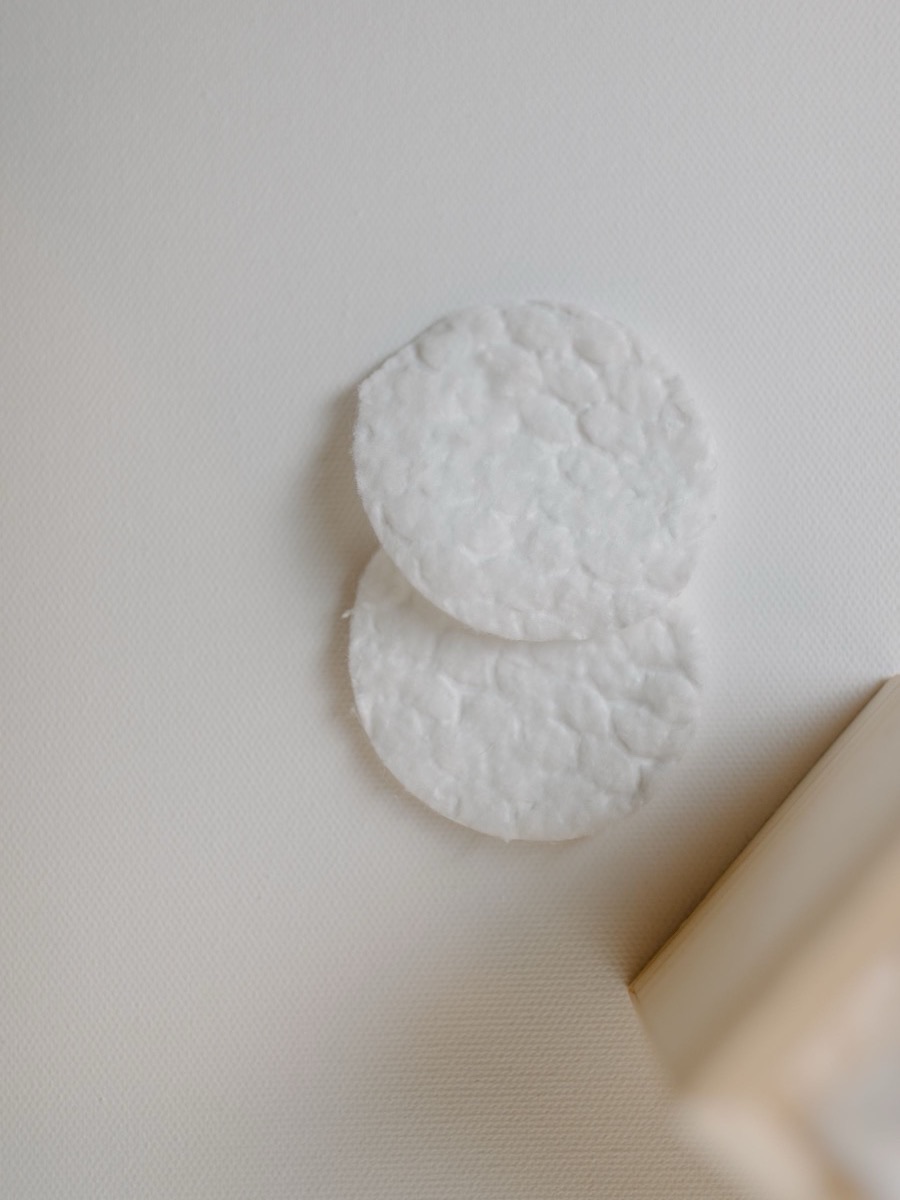
Signature ingredients
PEG-6 caprylic/capric glycerides micellar water OEM/ODM manufacturing
PEG-6 Caprylic/Capric Glycerides Micellar Water · OEM/ODM
PEG-6 caprylic/capric glycerides (INCI PEG-6 Caprylic/Capric Glycerides) is a nonionic surfactant made from glycerides of caprylic (C8) and capric (C10) acids carrying an average of 6 moles of ethylene oxide. It dissolves in water and self-assembles into nano-sized micelles that give a clear solution, which is why it is a familiar micelle former in micellar water: the micelles lift oil, light makeup and dirt onto the cotton pad. The CIR Expert Panel (USA) concluded that this group is safe in the present practices of use and concentration when formulated to be non-irritating; the human patch tests CIR summarized, up to a 10% solution, showed no irritation or sensitization. What needs saying plainly concerns the eyes and the evidence: the undiluted material was strongly irritating in rabbit eyes, 2–4% solutions scored as “severe irritant” on the hen’s egg chorioallantoic membrane (HET-CAM), and only one published study has measured its makeup-removal performance — as a comparator. This page therefore positions the product as a facial micellar water that is wiped on with a cotton pad and then rinsed off with water; the level stays within the rinse-off range CIR reviewed; and every statement about makeup removal or the eyes is measured on the finished product itself. Butter-C offers turnkey OEM/ODM manufacturing, from formulation and testing to a labeled finished product with its notification dossier.
Formula base
PEG-6 caprylic/capric glycerides forms the micelles, water makes up most of the formula
The micellar principle, surfactant groups and bi-phase formats are covered on the general micellar water page; this page puts PEG-6 caprylic/capric glycerides in the name and builds the rest around it.
PEG-6 Caprylic/Capric Glycerides
Clear, yellow liquid; at 10% soluble in water, alcohol and propylene glycol, insoluble in paraffin oil and isopropyl myristate (CIR). The 6 is the average number of moles of ethylene oxide, not an exact count for every molecule; as a mixture it has no defined molecular formula, and CIR gives no HLB for it. Not to be confused with Caprylic/Capric Triglyceride (MCT oil, not ethoxylated). Suggested 1–3% (formulation experience), within the rinse-off range CIR recorded up to 5%.
Co-surfactants (depending on direction)
Poloxamer 184: lower HET-CAM scores at 2% and 4% than PEG-6 caprylic/capric glycerides in the same study (Zhang et al., 2020, in vitro); it also contains polyethylene oxide blocks. Disodium Cocoamphodiacetate at a low level for stronger cleansing — an amphoteric that foams when wiped and must be rebalanced (see Three formulation directions).
Humectants and after-feel
Glycerin and Panthenol help reduce the tight, dry feel after wiping (sensory, to be tested on the finished product); kept low so the solution is not sticky and stays clear (formulation experience).
Water, preservation and pH buffer
Water is most of the formula, so water quality decides clarity and microbiology. Phenoxyethanol ≤ 1% (Annex VI Ref 29) with Ethylhexylglycerin, or Sodium Benzoate – Potassium Sorbate at acidic pH; Sodium Citrate – Citric Acid hold the pH; Disodium EDTA chelates metal ions. Any change in surfactant level means repeating the ISO 11930 challenge test.
Key technical points
Level, eyes, 1,4-dioxane and rinse-off use
The four items below are settled before sampling, because they decide both the formula and the wording on the label.
Level: follow the CIR data
CIR (2014 survey) records 548 uses, mostly rinse-off (434 uses, up to 5%); leave-on 0.1–3.5%; eye-area products 17 uses, up to 0.35%. These are levels reported by industry, not recommendations. One study cites 2–10% as a typical addition level for this group of micelle formers in micellar water (Zhang et al., 2020) — above the 5% CIR reviewed; formulas above that need their own safety assessment.
Eyes: surfactant level decides
CIR: undiluted, strongly irritating in rabbit eyes (redness not fully resolved after 8 days); a 1% solution caused no signs; 5% caused mild redness and swelling in 1 rabbit, cleared within 48 hours; no human eye data. HET-CAM at 2% and 4%: scores 9.9 and 14.1, “severe irritant” (Zhang et al., 2020). Across 12 makeup removers, HET-CAM scores were unrelated to eye discomfort in people and tracked mainly the presence and concentration of surfactants (Debbasch et al., 2005; authors from a cosmetics company) — HET-CAM is for screening only, eye statements need an in-use test on people.
1,4-dioxane and ethylene oxide
Ethoxylation can leave traces of 1,4-dioxane and ethylene oxide — both are in ASEAN Annex II (Ethylene oxide Ref 182, Dioxane Ref 343); Article 14 of Vietnam’s Circular 06/2011/TT-BYT accepts traces that are technically unavoidable under good manufacturing practice provided safety is ensured. The ASEAN Guidelines on Limits of Contaminants (version 3.0) set 1,4-dioxane in finished products at no more than 10 ppm from 19 June 2023. CIR cites one supplier’s specification of ≤ 5 ppm 1,4-dioxane and ≤ 1 ppm ethylene oxide — not a default for every source, so Butter-C requires both on every lot COA.
Rinse off with water — and when it becomes leave-on
This page positions the product as rinse-off: wipe with a cotton pad, then rinse the face with water. If your brand wants “no rinsing needed”, the product becomes leave-on: PEG-6 within the CIR leave-on range (up to 3.5%), preservative limits for leave-on products (e.g. benzoic acid 0.5% instead of 2.5% — Annex VI Ref 1) and a different safety assessment. CIR notes this group may enhance penetration of other ingredients — take care when combining with ingredients whose safety relies on low skin absorption.
Three formulation directions
Three ways to place PEG-6 caprylic/capric glycerides in a micellar water
PEG-6 caprylic/capric glycerides on its own
One micelle former, glycerin, panthenol and a preservative system; a clear solution, no shaking. Short ingredient list that matches the product name; suits light to medium makeup. Removal of pen eyeliner must be tested, because in the comparison study it did worse than polyglyceryl-10 monocaprylate on pen eyeliner (Zhang et al., 2020).
PEG-6 with poloxamer 184
Part of the PEG-6 is replaced by Poloxamer 184, which scored lower on HET-CAM in the same study (in vitro, not human eye data). The aim is to balance cleansing against eye feel, checked by makeup-removal tests and eye irritation testing on the finished product; poloxamers also contain polyethylene oxide blocks, so the product still cannot be labeled “PEG-free”.
PEG-6 with a low level of amphoteric
Disodium Cocoamphodiacetate is added for stronger cleansing. Amphoterics foam when wiped and are not inert on skin: an eye makeup remover containing 0.77% caused irritation in 28 of 113 people during induction (per the disodium cocoamphodiacetate article). Not combined with nitrosating agents; COA includes AEEA (Annex II Ref 1471).
Packaging is designed with the formula
PET or PE bottle with flip-top or press pump — chosen by how users wet the cotton pad; bottle, cap and gasket compatibility tested with the solution. Keep the PEG-6 raw material closed and away from heat: air-oxidized ethoxylated surfactants are more irritating (Matura et al., 2004, tested on related surfactants, not this one specifically).
Parameters we monitor
What our R&D team measures on every sample
These are the parameters Butter-C tracks during formulation and scale-up. Specific limits are agreed with you on the approved sample and then written into the product’s in-house specification.
- PEG-6 caprylic/capric glycerides incoming check
- Lot COA: 1,4-dioxane, ethylene oxide, acid value, hydroxyl value, saponification value; a change of supplier means a new file.
- Appearance & clarity
- Color, odor and clarity against the reference sample; haze monitored in cold storage.
- pH
- Measured at 25 °C; the pH range follows the chosen preservative system, with drift tracked across stability time points.
- Density & conductivity
- Two quick lot-identity checks for an almost all-water system.
- Makeup removal
- Standardized tests on lipstick, pen eyeliner, foundation and sunscreen under an internal protocol, against a control — the basis for any makeup-removal statement.
- Eye irritation screening
- HET-CAM or another alternative method for screening; an in-use test on volunteers when the label claims use around the eyes or “low eye sting”.
- Stability
- Accelerated aging at 40 °C and freeze–thaw cycling in the final pack; haze, color and odor changes tracked.
- Microbiology & challenge test
- Tested at a GLP / ISO 17025-accredited laboratory; preservative efficacy (challenge) test to ISO 11930 on the finished product, repeated when the surfactant level changes.
- 1,4-dioxane in the finished product (when needed)
- Analyzed when the target market requires it or when the label wants a 1,4-dioxane statement; compared with the 10 ppm ASEAN guideline level.
Claims
Claims for a micellar water that is rinsed off with water
Cleansing evidence for PEG-6 caprylic/capric glycerides is limited: the ingredient article’s PubMed search found only one study measuring makeup removal, with this ingredient as a comparator — on glass slides, 2.5–10% solutions removed 47.5–49.4% of pen eyeliner (blank 34.5%); on 10 women, it removed oil-based pen and liquid lipstick better than polyglyceryl-10 monocaprylate at 4–8% but did worse on pen eyeliner (Zhang et al., 2020; some authors from a materials company). There are no studies of skin hydration or long-term tolerance. Claims therefore rest on finished-product testing; Butter-C reviews label and marketing wording when preparing the notification dossier.
Removes makeup and dirt from facial skin (once makeup-removal tests are done on the finished product)
Instead of: removes all waterproof makeup, detoxifies, deep-cleans pores.
Leaves no tight, dry feel after use (with sensory test results)
Instead of: deep hydration, restores the skin barrier.
Low eye sting (only after an in-use test on people with the finished product)
By default the label says avoid contact with eyes. Instead of: no eye sting, safe for eyes, gentle on eyes based on ingredient data or HET-CAM alone.
Correct INCI: PEG-6 Caprylic/Capric Glycerides
Instead of: PEG-free, non-ethoxylated, or implying PEGs are toxic.
1,4-dioxane checked on raw-material lots (with COAs)
“Free of 1,4-dioxane” only after analysis of the finished product. Instead of: completely free of impurities.
Directions and warnings
Apply to a cotton pad, wipe gently, then rinse with water; avoid contact with eyes, and if contact occurs rinse at once with plenty of water; stop use if skin turns red or itchy. Pregnancy and breastfeeding: not enough data on this ingredient, ask a doctor. Instead of: hypoallergenic, suitable for every skin.
Manufacturing specifications
Available capabilities
- Texture
- Single-phase clear liquid, colorless or very pale yellow depending on the raw material.
- Format
- Flip-top, press-pump or screw-cap bottle. Volume agreed when choosing packaging.
- Minimum order quantity
- Agreed per order — depends on the formula direction and format chosen.
- Testing
- Tested at a GLP / ISO 17025-accredited laboratory, with a certificate of analysis delivered with every lot.
- Dossier
- Product Information File (PIF) and cosmetic product notification prepared by Butter-C, with lot COAs for PEG-6 caprylic/capric glycerides showing 1,4-dioxane and ethylene oxide.
- Packaging
- Label design, printing and packing run in parallel with formulation; the label includes rinse-off directions.
Suggested product concept
Fragrance-free PEG-6 micellar water, rinsed off with water
One product direction to help you picture the idea — not a ready-made product for sale. The actual formula is built around your brand’s positioning and price range.
PEG-6 Caprylic/Capric Glycerides
The named micelle former; level set by makeup-removal tests and eye irritation screening, within the rinse-off range CIR reviewed.
Glycerin, Panthenol
Light humectants that reduce the tight feel after wiping (sensory, to be tested).
Phenoxyethanol – Ethylhexylglycerin, Disodium EDTA
Phenoxyethanol ≤ 1% (Annex VI Ref 29), passed ISO 11930 challenge testing on the finished product; fragrance-free.
PET flip-top bottle
Label with the full INCI list, directions to wipe with a cotton pad then rinse with water, and to avoid contact with eyes.
Customization options
What you can specify
The same format can serve very different customers. Tell us your requirements in the areas below and our pharmacists will build the matching formula.
Cleansing strength
Single-phase micellar for light to medium makeup; for waterproof mascara and long-wear lipstick choose a product with an oil phase — a bi-phase eye and lip remover or a cleansing oil.
Eye area
Whether to claim use around the eyes. If so: CIR records a maximum of 0.35% in eye-area products (a reported level); formulas above that need their own safety assessment and eye irritation testing on people.
Surfactant system
PEG-6 on its own, with poloxamer 184 or with an amphoteric — changes eye feel, foaming on the pad and the ingredient list.
“PEG-free” positioning
Then a polyglyceryl ester (e.g. Polyglyceryl-4 Caprate) replaces it and the product no longer carries the PEG-6 name; makeup removal, clarity and eye irritation must be retested.
Rinse-off or no-rinse
Rinse-off is this page’s positioning; a no-rinse product follows the CIR leave-on range and leave-on preservative limits.
Fragrance and ingredient positioning
Fragrance-free (recommended for products used near the eyes) or a light fragrance pre-solubilized in the PEG-6 itself, with a cold clarity test; alcohol-free, paraben-free — please specify at the start.
Further reading
Related knowledge
PEG-6 caprylic/capric glycerides in cosmetics
CIR conclusion, skin and eye irritation data, 1,4-dioxane and ASEAN status (in Vietnamese).
Micellar water OEM/ODM manufacturing
The micellar principle, surfactant groups and bi-phase formats.
Isododecane eye & lip makeup remover OEM/ODM manufacturing
A bi-phase format with an oil phase for waterproof mascara and long-wear lipstick.
Double cleansing
When an oil-based first step is needed, micellar as step one and the eye area (in Vietnamese).
Disodium cocoamphodiacetate in cosmetics
Secondary amphoteric: skin and eye irritation and AEEA impurity (in Vietnamese).
How we work
From idea to finished batch
Eight steps and three milestones signed off by both sides: approved sample, notification number, finished batch. Step-by-step details →
Get started
Tell us about the product you plan to launch
Send us your product direction and expected volume. Our team will get back to you during business hours (Vietnam time, GMT+7).
Head office: Huu Le village, Dai Thanh commune, Hanoi · Factory: Thanh Oai Industrial Cluster, Binh Minh commune, Hanoi, Vietnam
Hotline +84 967 176 511 · [email protected] · Privacy policy ← Full catalog