 BUTTER-C
Signature ingredients
Lotus flower essence OEM/ODM manufacturing
Lotus Flower Essence · OEM/ODM
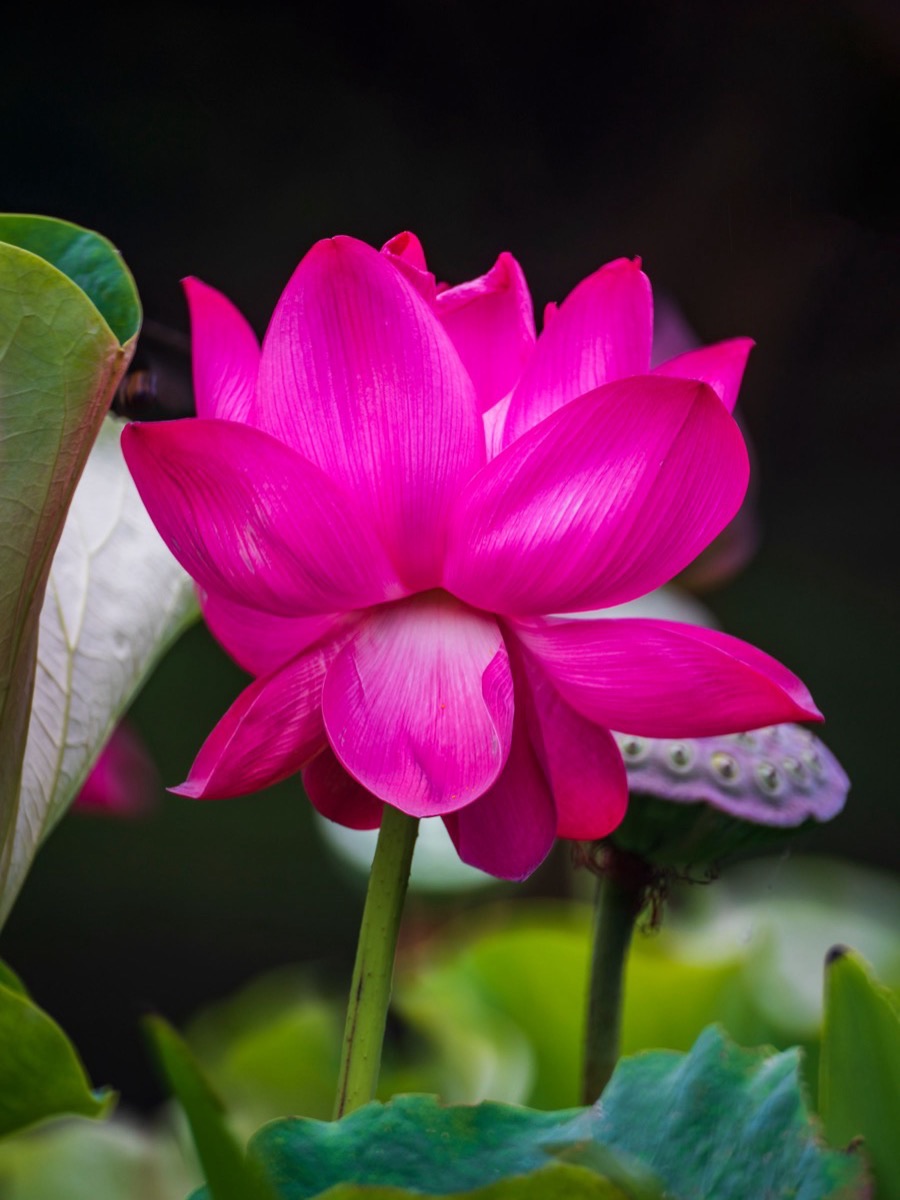
The lotus is a familiar image in Vietnamese culture, which makes “lotus flower essence” an easy story for a Vietnamese brand. That is a cultural story. The evidence for lotus flower extract (Nelumbo Nucifera Flower Extract) on skin is still at laboratory level: antioxidant activity in chemical assays, lower inflammatory signals in cultured cells, and two-way results for melanin depending on which fraction of the flower is extracted. So the lotus flower essence Butter-C develops lets lotus carry the name and the story, while the “moisturizing” benefit comes from the humectant base and “helps skin look more even” comes from niacinamide when tested on the finished product. The raw material has to be exact: lotus flower, leaf, germ and whole plant are different INCI names, water lily is a different genus, and commercial extracts are usually preparations in a solvent. Butter-C offers turnkey OEM/ODM manufacturing, from raw-material selection and formulation to a labeled finished product with its notification dossier.
Formula base
The flower extract carries the name; the hydrating base carries the benefit
A lotus flower essence is a water-based essence, fluid or lightly thickened. What sets it apart is choosing the right lotus raw material and putting the claims in the right place: the benefits come from the hydrating base and from actives with human data, while lotus is the named ingredient and the story.
Lotus flower extract — know the raw material
INCI Nelumbo Nucifera Flower Extract — CosIng describes it as an extract of the flowers of Nelumbo nucifera, function skin conditioning; it does not specify petals, stamens or buds, nor the solvent. Commercial grades are usually preparations (the extract in water, glycol or glycerin, sometimes with a preservative): the use level is that of the preparation per the technical data sheet, and the label lists every INCI of the preparation. The raw material is not in Butter-C’s current list — it is sourced per order, with a COA.
Humectants
Glycerin, Butylene Glycol or Propanediol, Betaine, Panthenol, Sodium Hyaluronate — the part that carries the “moisturizing” claim, confirmed by testing on the finished product.
Active for an even-tone claim (optional)
Niacinamide at 2–5%, the range tested in people: a 5% cream and a 2% cream with sunscreen reduced hyperpigmented areas and increased skin lightness after 4 weeks versus the vehicle. Lotus flower extract does not replace this role.
Texture and preservation
Xanthan Gum or Hydroxyethylcellulose for a light, non-sticky body; Disodium EDTA to bind metal ions; Phenoxyethanol with Ethylhexylglycerin, confirmed by an ISO 11930 challenge test — any preservative already in the extract preparation counts toward the limit for the whole formula.
Key technical points
The right plant part, the right species, the right level of evidence
The four items below are where a lotus flower essence differs from an ordinary hydrating essence, and they are settled before the texture is chosen.
Flower, leaf, germ or whole plant
CosIng lists the flower, leaf, germ, root, seed, whole-plant extracts and the flower water as separate INCI names, yet they share CAS 85085-51-4 — so the CAS number cannot tell the plant part. The human studies often cited, by Mahmood’s group, do not state the lotus plant part in their abstracts, while the same group’s formulation paper describes a lotus extract made from the whole plant; “lotus sprout” data belong to a different part. The COA must state the flower.
Lotus is not water lily
Water lily (Nymphaea) is a different genus with its own INCI name and CAS (Nymphaea Alba Flower Extract, CAS 84696-27-5). The COA must state Nelumbo nucifera.
No standard use level
No use or effective concentration has been established, and no dedicated CIR safety assessment or SCCS opinion was found. The 0.01–0.1% used in a cell study is the concentration in the culture medium, not a use level. The level is set from the technical data sheet, stability testing and a tolerance test on the finished product.
Color, odor and stability
The sources read give no stability data specific to lotus flower extract. In practice: add it in the cool-down phase, include a chelating agent, use light-blocking packaging, and track color, odor and pH through heat, freeze–thaw and light exposure tests (formulation experience).
Three formulation directions
Lotus in the name, three positionings
Hydrating lotus essence
Fluid to lightly thickened, fragrance-free; glycerin, betaine, panthenol, sodium hyaluronate. Claims stop at moisturizing and soft, smooth skin — suited to the entry product of a brand’s lotus line.
Lotus – niacinamide essence
Niacinamide within the 2–5% range tested in people for the claim “helps skin look brighter and more even” when measured on the finished product; niacinamide assayed by HPLC, with a daytime sunscreen reminder.
Minimal lotus essence for sensitive skin
Few ingredients, fragrance-free, alcohol-free; moderate panthenol and glycerin. “Relieves the feeling of dryness and tightness” is a sensory claim only, tested in volunteers; sensitive users are advised to patch-test first.
Packaging is designed with the formula
Glass or opaque light-blocking plastic bottle, dropper or flow-restricting cap to dispense small amounts; seals and caps tested for compatibility in the actual pack.
Parameters we monitor
What our R&D lab measures on every sample
Below are the parameters Butter-C monitors during formula development and scale-up to production. Specific limits are agreed with you on the approved sample and then written into the product's in-house specification.
- Raw-material identity
- COA for every extract lot: species Nelumbo nucifera, flower part, solvent and carrier, extraction ratio, marker (total polyphenols or flavonoids if the supplier assays them), microbiology, heavy metals, any preservative already present.
- Appearance & color
- Color, odor and clarity against a reference sample; color index measured regularly to catch darkening or haze early.
- pH
- Measured directly at 25 °C; pH drift tracked across stability time points.
- Viscosity
- Rotational viscometer at 25 °C, spindle and speed recorded; matched to the dropper or flow-restricting cap.
- Niacinamide content
- Assayed by HPLC at the start and after stability time points (niacinamide version).
- Stability
- Accelerated aging at 40 °C, freeze–thaw cycles, light exposure; watching for color change, precipitation, odor change.
- Microbiology & preservative challenge
- Tested at a GLP/ISO 17025 laboratory; preservative challenge test to ISO 11930.
- Human tolerance
- Irritation and facial tolerance testing on the finished product at an independent test facility before sign-off.
Claims
Writing claims within the cosmetic scope
Skin-relevant data for lotus flower extract itself are currently cell experiments: antioxidant activity in chemical assays, lower inflammatory signals in cultured cells, and a two-way picture for melanin — alkaloids from the flower buds inhibited melanin formation in mouse cells, while lotus flower essential oil increased melanin in human pigment cells. The evidence is limited, and these results do not become product claims. Butter-C reviews the wording on labels and marketing materials when preparing the notification dossier under Annex 03-MP.
Moisturizes, helps skin feel soft and smooth (from the humectants; to be tested on the finished product)
Instead of: restores or regenerates the skin.
Helps skin look brighter and more even (niacinamide version; only when measured on the finished product)
Instead of: whitening from lotus, melanin inhibition, fast fading of brown spots.
Relieves the feeling of dryness and tightness (sensory, tested on the finished product)
The data on inflammatory signals come from cultured cells. Instead of: statements about inflammation or reduced redness.
Contains lotus flower extract (Nelumbo Nucifera Flower Extract); the lotus story in Vietnamese culture
Origin or growing region only when the COA or supplier documents confirm it. Instead of: age-defying, wrinkle reduction, skin purifying, “essence of the national flower”.
Directions and label reminders
Patch-test on a small area first; avoid the eyes; stop if redness or itching occurs; the niacinamide version carries a daytime sunscreen reminder. Pregnancy and breastfeeding: not enough data, ask a doctor. Instead of: non-irritating, safe for pregnancy.
Manufacturing specifications
Current capabilities
- Texture
- Fluid or lightly thickened essence, clear or with the natural tint of the extract.
- Lotus raw material
- Not in Butter-C’s current raw-material list — sourced per order; COA for every lot, labeled by the INCI names of the preparation.
- Pack format
- Glass or opaque light-blocking bottle with dropper or flow-restricting cap. Volume agreed when choosing packaging.
- Minimum order quantity
- Agreed per order — depends on the formula direction and pack format chosen.
- Testing
- Performed at a GLP/ISO 17025 laboratory, with niacinamide assay where relevant; results delivered with every batch.
- Documentation
- Product information file (PIF) and notification dossier prepared by Butter-C, including a raw-material file stating the correct species, plant part and preparation composition.
- Packaging
- Label design, printing and packing run in parallel with formulation.
Suggested product concept
Lotus flower – niacinamide essence in a light-blocking bottle
A product direction to help you picture the idea — not a ready-made product for sale. The actual formula is developed around your brand's positioning and price range.
Lotus flower extract
The named ingredient; preparation level per the technical data sheet, COA stating species and flower part.
Niacinamide
The active behind “helps skin look brighter and more even”, within the 2–5% range tested in people; measured on the finished product.
Glycerin, Betaine, Sodium Hyaluronate, Panthenol
A light, fluid hydrating base, fragrance-free.
30–50 ml light-blocking bottle
Dropper cap; the label carries a daytime sunscreen reminder and patch-test directions.
Customization options
What you can specify
The same product type can serve very different customers depending on the brand. Tell us your requirements in the areas below, and our team of pharmacists will develop a matching formula.
Lotus raw material
Type of preparation (water, glycol or glycerin carrier), with or without a built-in preservative — this shapes the ingredient list and the formula’s preservative system.
Accompanying active
None, or niacinamide — this decides the pH, test parameters and label reminders.
Texture
Water-thin, lightly thickened or a fluid gel.
Fragrance and color
Fragrance-free recommended; color is the natural tint of the extract.
Companion products
Toner and cream with the same lotus story, sold as a set — each product with its own notification dossier.
Ingredient direction
Vegan, alcohol-free, fragrance-free — please state these at the outset so suitable raw materials can be chosen.
Further reading
Related topics
Lotus flower extract (Nelumbo nucifera) in cosmetics
Flower vs leaf, germ and water lily; evidence still at cell level, safety and regulation (in Vietnamese).
Niacinamide in cosmetics
The active behind the even-tone claim and the levels tested in humans (in Vietnamese).
Hydrating HA serum manufacturing
The water-based hydrating base; this page focuses on lotus.
Chamomile toner manufacturing
Another botanical line, read the same way by species and plant part.
Rose water toner manufacturing
A flower-water line — a different INCI and role from a flower extract.
How we work
From idea to finished batch
Eight steps and three milestones signed off by both sides: approved sample, notification number, finished batch. Step-by-step details →
Get started
Tell us about the product you plan to launch
Send us your product direction and expected volume. Our team will get back to you during business hours (Vietnam time, GMT+7).
Head office: Huu Le village, Dai Thanh commune, Hanoi · Factory: Thanh Oai Industrial Cluster, Binh Minh commune, Hanoi, Vietnam
Hotline +84 967 176 511 · [email protected] · Privacy policy ← Full catalog