 BUTTER-C
Signature ingredients
Sodium PCA toner OEM/ODM manufacturing
Sodium PCA Toner · Signature Ingredients · OEM/ODM
Sodium PCA is the sodium salt of PCA (pyrrolidone carboxylic acid, also called pyroglutamic acid) — one of the components of the natural moisturizing factor (NMF) in the stratum corneum, formed when the protein filaggrin is broken down. The “already in your skin” story is physiology: people carrying filaggrin gene mutations have less PCA in the stratum corneum than non-carriers (Kezic et al., 2009, 21 people) — that is not evidence for a topical product. Direct data on topical use are scarce: the main source is a 1981 review from a company research laboratory, reporting that creams and lotions with at least 2% of a PCA–NaPCA system improved dry skin when an adequate vehicle was used, while plain aqueous solutions were ineffective; the abstract gives no number of subjects or design (Clar and Fourtanier, 1981) — limited evidence. That last detail matters for a toner, which is almost all water. So Butter-C's sodium PCA toner is not plain water with one ingredient but a humectant system: sodium PCA converted from the raw material solution per COA, combined with glycerin and other humectants, plus a milky toner version with a light oil phase; the formula is screened for N-nitroso risk following the CIR Expert Panel's condition. Claims stay at “moisturizes, leaves skin feeling soft and smooth” (to be tested on the finished product). Sodium PCA in solution is already in the factory's raw material list. Butter-C offers full-service OEM/ODM, from formulation and testing to a labeled finished product and notification dossier.
Formula base
Sodium PCA in a humectant system, not water with one ingredient
Clar and Fourtanier (1981) reported plain aqueous solutions as ineffective on dry skin in their evaluations, so the rest of the formula matters as much as sodium PCA. Unlike the general toner page and the zinc PCA toner page (zinc PCA is a different salt with a different role), this page makes sodium PCA the named ingredient.
Sodium PCA — a raw material in solution
The factory's raw material on file is the blend “Water (and) Sodium PCA”; an internal technical note gives 50% content (not independently verified — confirm on each lot's COA). Active amount = % of blend × content on the COA: for example 4% of a 50% solution is about 2% sodium PCA. Per PubChem, sodium PCA is C5H6NNaO3, about 151 g/mol, in DL and L forms (sodium L-pyroglutamate) — check the CAS on the COA.
Supporting humectants
Glycerin, Butylene Glycol or Propanediol, Betaine, Panthenol. The ingredient article suggests pairing sodium PCA with glycerin and other NMF components; glycerin has its own human trials (see the glycerin cream page). This whole humectant system, not sodium PCA alone, is the basis for the product's moisturizing claim.
Preservation and pH
Phenoxyethanol (max 1.0% — Annex VI Ref 29) with Ethylhexylglycerin; ISO 11930 challenge testing is mandatory for an all-water system, and a raw material in aqueous solution also needs incoming microbial checks. The general toner page sets hydrating toners at pH 5.0–6.0; the sources checked do not state a stable pH range for sodium PCA, so pH is set by stability testing and adjusted with Citric Acid or Sodium Hydroxide.
Points to weigh when choosing
Alcohol-free and fragrance-free for a gentle positioning. For a richer feel, choose the milky or lightly thickened toner rather than more sodium PCA. A toner for oily skin with a fresh, clean feel is a different product (zinc PCA toner, BHA toner).
Key technical points
Four points specific to sodium PCA in a toner
These issues come from the raw material itself: converting the active from a solution, the CIR N-nitroso condition, salt behavior in an all-water system, and name confusion.
Converting the active from the solution
Every level on the formula sheet states whether it is % of blend or % sodium PCA. Clar and Fourtanier's “at least 2%” refers to a PCA–NaPCA system in creams and lotions — for a toner it is a reference point for choosing a level, not evidence of efficacy. The abstract of the CIR report gives no use-concentration range, so this page quotes no figure.
The CIR N-nitroso condition
The CIR Expert Panel (Fiume et al., 2019) concluded that PCA and its salts are safe in present practices of use and concentration, with the condition that they “should not be used in cosmetic products in which N-nitroso compounds can be formed”. At the formula stage: no secondary amines — ASEAN Annex II prohibits “Secondary alkyl- and alkanolamines and their salts” (Ref 411) and nitrosamines (Ref 410); pH is adjusted with Sodium Hydroxide rather than alkanolamines; supporting raw materials are screened for amines or nitrites.
Salt in an all-water system
Sodium PCA is an electrolyte and thins Carbomer gels (internal monograph note, consistent with the hydrating gel page). The lightly thickened version uses Hydroxyethylcellulose or Xanthan Gum, with viscosity set on the full formula; the milky version is monitored for emulsion stability because electrolytes can affect emulsions.
No name confusion
Zinc PCA and copper PCA are other PCA salts and are not in the 2019 CIR report. The pyrrolidones in Annex II — 1-Vinyl-2-pyrrolidone (Ref 1113), N-Methyl-2-pyrrolidone (Ref 1393), N-Ethyl-2-pyrrolidone (Ref 1562) — are entirely different substances. Sodium PCA itself is not named in Annexes II, III or VI of the 06/2026 release; the COA must state the correct name and CAS.
Three formulation directions
Three sodium PCA toners for three customer groups
Clear sodium PCA – glycerin toner
Water-clear; sodium PCA, glycerin, betaine, panthenol. Patted on by hand or with a cotton pad after cleansing — for normal and combination skin. Because it is a water base, the moisturizing claim of this version depends even more on testing the finished product.
Milky sodium PCA toner
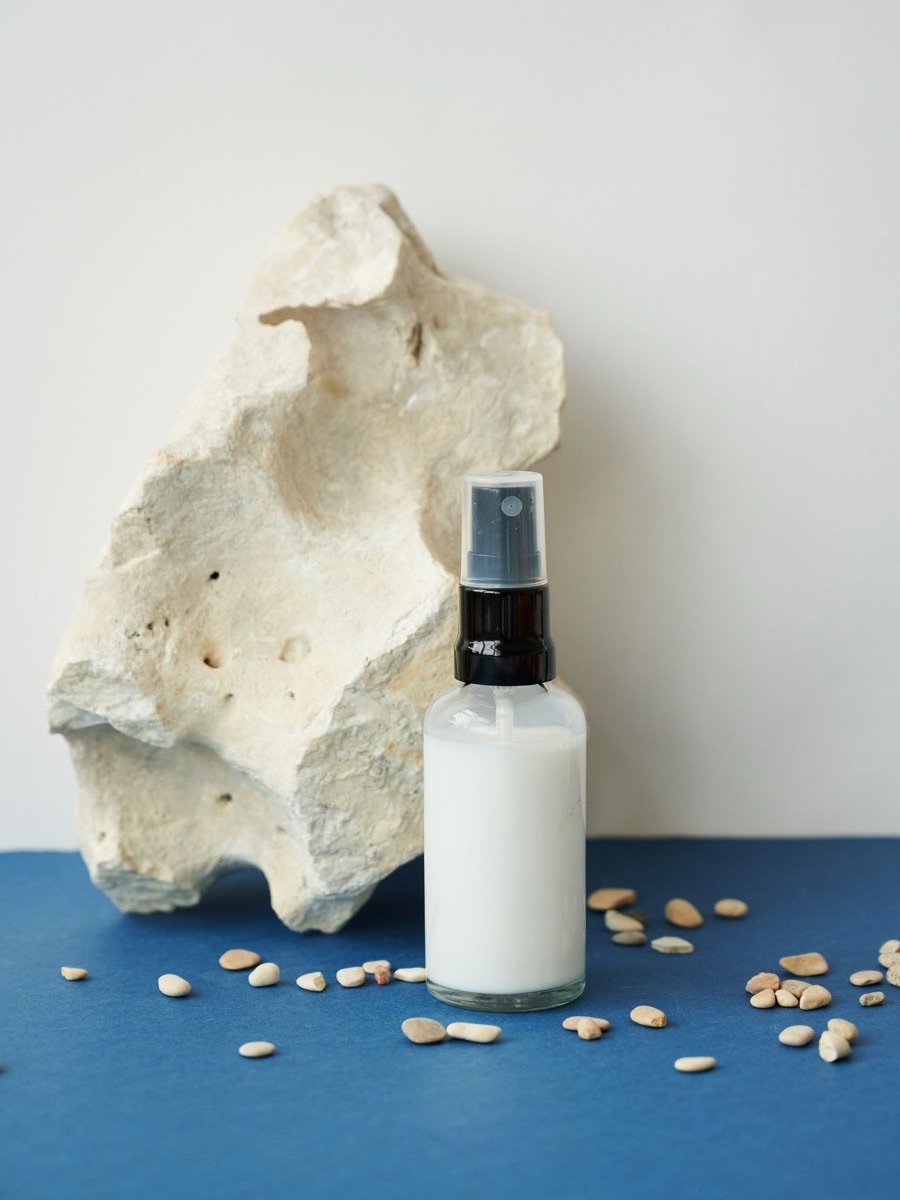
A dilute emulsion with a light oil phase (Squalane, Caprylic/Capric Triglyceride) and a polyglyceryl ester emulsifier/solubilizer — following Clar and Fourtanier's note that cream and lotion vehicles suit better than aqueous solutions. Oil and emulsifier levels are set by stability testing (formulation experience). For dry skin and dry seasons.
Lightly thickened sodium PCA – hyaluronate toner
Low-level Hydroxyethylcellulose with Sodium Hyaluronate, layered on — for dehydrated skin in air-conditioned rooms. Hyaluronate and sodium PCA share the water phase; viscosity is set on the formula with its full salt content.
Packaging is part of the formula
Flip-top or screw-cap bottles with a small opening limit contamination from hands; the milky version uses an opaque or frosted bottle if slight layering occurs, with shake instructions. This page covers a toner patted on by hand or with a cotton pad and does not propose a spray head; a spray format is a different product direction, with raw materials re-screened against the conditions for sprayable products (see the facial mist page).
Parameters we monitor
What our R&D lab measures on every sample
Below are the parameters Butter-C monitors during formulation and scale-up. Specific limits are agreed with you on the approved sample and then written into the product's in-house specification.
- Raw material COA
- Sodium PCA solution per lot: active content, L or DL form (CAS), pH, microbiology, identity versus the retained sample.
- Appearance & clarity
- Color, odor and clarity versus the reference sample (milky version: homogeneity, opacity); watching for haze at 4 °C.
- pH
- Measured directly at 25 °C on every lot; pH drift tracked across stability time points.
- Density & conductivity
- Two quick lot-identity checks for an all-water system containing salts, catching mixing errors.
- Stability
- Accelerated aging at 40 °C, freeze–thaw cycling, storage at 4 °C in the final pack; centrifugation and separation checks for the milky version; viscosity for the thickened version.
- N-nitroso risk screening
- A screening table of every raw material (no secondary amines, no alkanolamines, no nitrite donors) kept in the Product Information File.
- Microbiology & challenge test
- Finished product tested at a GLP / ISO 17025-accredited laboratory; preservative efficacy (challenge) test per ISO 11930 — mandatory for an all-water system.
- Hydration measured on people
- Corneometer on the finished product itself at a testing unit — the basis for any moisturizing claim with numbers.
- Tolerance
- Irritation and tolerance testing on volunteers before the formula is finalized.
Claims
Writing claims within the cosmetic scope
Most PCA data concern the physiology of endogenous PCA. Kezic et al. (2009): 11 carriers of filaggrin gene mutations and 10 wild-type individuals; tape-stripped PCA averaged 0.18, 0.50 and 1.64 mmol/g protein in homozygous (or compound heterozygous), heterozygous and wild-type groups — PCA is a feasible biomarker of genotype. Li et al. (2023): in 82 women, stratum corneum PCA correlated inversely with skin pH; in vitro, 5–10 mM PCA inhibited Staphylococcus aureus growth by about 25% at 20 hours; all authors were employees of the study sponsor — endogenous PCA and test-tube data, not claims. For topical use, the main source is the review by Clar and Fourtanier (1981), combining the literature with 8 years of evaluation at a company research laboratory using impedance measurement and clinical methods: creams and lotions with at least 2% of a PCA–NaPCA system improved dry skin in the short or long term with an adequate vehicle; aqueous solutions were ineffective; the abstract gives no number of subjects or design. In the sources checked, we have not found a controlled trial published specifically on topical sodium PCA. Appendix 03-MP of Circular 06/2011/TT-BYT does not accept drug-like claims. Below are the wordings Butter-C suggests.
Moisturizes, leaves skin feeling soft and smooth
A benefit of the whole humectant system, stated once sensory testing on the finished product is done. Instead of: “replaces filaggrin”, drug-like claims about atopic dermatitis or flaky dry skin.
Increases skin hydration (only when measured on the finished product)
Numbers only when measured by corneometer on the finished product itself. Instead of: hydration figures taken from raw material literature, “absorbs many times more moisture”.
Contains sodium PCA — part of the skin's natural moisturizing factor (NMF) group
An ingredient and story claim; no percentage of PCA in NMF and no comparison with other humectants without a source. Instead of: “replenishes missing NMF”, “moisturizes better than glycerin”.
Suitable for dry and normal skin
A skin-type description, not a benefit. Instead of: balances skin pH, balances skin bacteria (endogenous PCA and test-tube data).
Alcohol-free, fragrance-free
Only when true of the whole formula, including solvents already present in any added extract. Instead of: “pure”, “all-natural”.
Label reminders
“Test on a small area of skin before use. Avoid contact with eyes. Stop use if the skin turns red or stings.” Pregnancy: no specific recommendation — consultations advise asking a doctor. This page is a facial toner for adults. Instead of: non-irritating, safe for pregnancy, suitable for children.
Manufacturing specifications
Available capabilities
- Texture
- Clear liquid toner, dilute milky toner or lightly thickened toner.
- Packaging format
- Flip-top or screw-cap bottle.Size agreed when packaging is selected.
- Sodium PCA raw material
- In solution, already in the factory's raw material list; COA supplied with every lot.
- Minimum order quantity
- Agreed per order — depends on the formula direction and packaging chosen.
- Testing
- Tested at a GLP / ISO 17025-accredited laboratory; certificate of analysis delivered with every lot.
- Dossier
- Product Information File (PIF) and cosmetic product notification dossier prepared by Butter-C, including the active conversion table per COA and the N-nitroso screening table.
- Packaging
- Label design, printing and packing run in parallel with formulation; patch-test and eye-avoidance reminders are laid out from the first label draft.
Suggested product concept
Alcohol-free, fragrance-free milky sodium PCA – glycerin toner for dry skin
A product concept to help you picture the idea — not a ready-made product for sale. The actual formula is built around your brand's positioning and price range.
Sodium PCA around 2%
About 4% of the raw material solution if the COA states 50%; the level follows Clar and Fourtanier as a reference point, not as evidence for a toner.
Glycerin, Betaine, Panthenol
The supporting humectants — together with sodium PCA, the basis for the moisturizing claim after testing on the finished product.
Light oil phase
Squalane with a polyglyceryl ester emulsifier/solubilizer; Phenoxyethanol – Ethylhexylglycerin system, pH adjusted with Sodium Hydroxide, no alkanolamines.
150 ml flip-top bottle
Patted on by hand or with a cotton pad; the label carries patch-test and eye-avoidance reminders.
Customization options
What you can specify
Within the same product type, every brand targets a different customer. Tell us your requirements in the areas below and our pharmacists will build the matching formula.
Sodium PCA level
State % active or % raw material solution; a higher level does not mean a stronger label claim.
Texture
Clear, dilute milky or lightly thickened; cotton pad or hands.
Supporting ingredients
Glycerin, Betaine, Panthenol, Allantoin, Sodium Hyaluronate — a few, not a long list; each added raw material is re-screened for N-nitroso risk.
Claims with measurements
Hydration measured by corneometer on the finished product itself; volunteer testing is quoted separately.
Companion products
Glycerin cream and hydrating serum in the same line — each product has its own dossier and raw material screening table.
Ingredient preferences
Alcohol-free, fragrance-free, vegan — please state these up front; raw material origin (fermentation, synthesis) per the supplier's statement.
Further reading
Related knowledge
Sodium PCA in cosmetics
PCA in NMF, the filaggrin link, topical data and the CIR N-nitroso note (in Vietnamese).
Toner manufacturing
General page: hydrating, balancing and exfoliating toners.
Zinc PCA toner manufacturing
Same PCA base but a zinc salt, for oily skin, with zinc calculated against Annex III.
Glycerin moisturizing cream manufacturing
The humectant that partners sodium PCA, with its own human trials.
Hydrating serum manufacturing
A richer step after toner in a moisturizing routine.
Dry skin and dehydrated skin
Telling oil-poor from water-poor skin to choose the toner texture (in Vietnamese).
How we work
From idea to finished batch
Eight steps and three milestones signed off by both sides: approved sample, notification number, finished batch. Step-by-step details (in Vietnamese) →
Get started
Tell us about the product you plan to launch
Send us your product direction and expected volume. Our team will get back to you during business hours (Vietnam time, GMT+7).
Head office: Huu Le village, Dai Thanh commune, Hanoi · Factory: Thanh Oai Industrial Cluster, Binh Minh commune, Hanoi, Vietnam
Hotline +84 967 176 511 · [email protected] · Privacy policy ← Full catalog