 BUTTER-C
Signature ingredients
Sweet almond massage oil OEM/ODM manufacturing
Sweet Almond Massage Oil · OEM/ODM
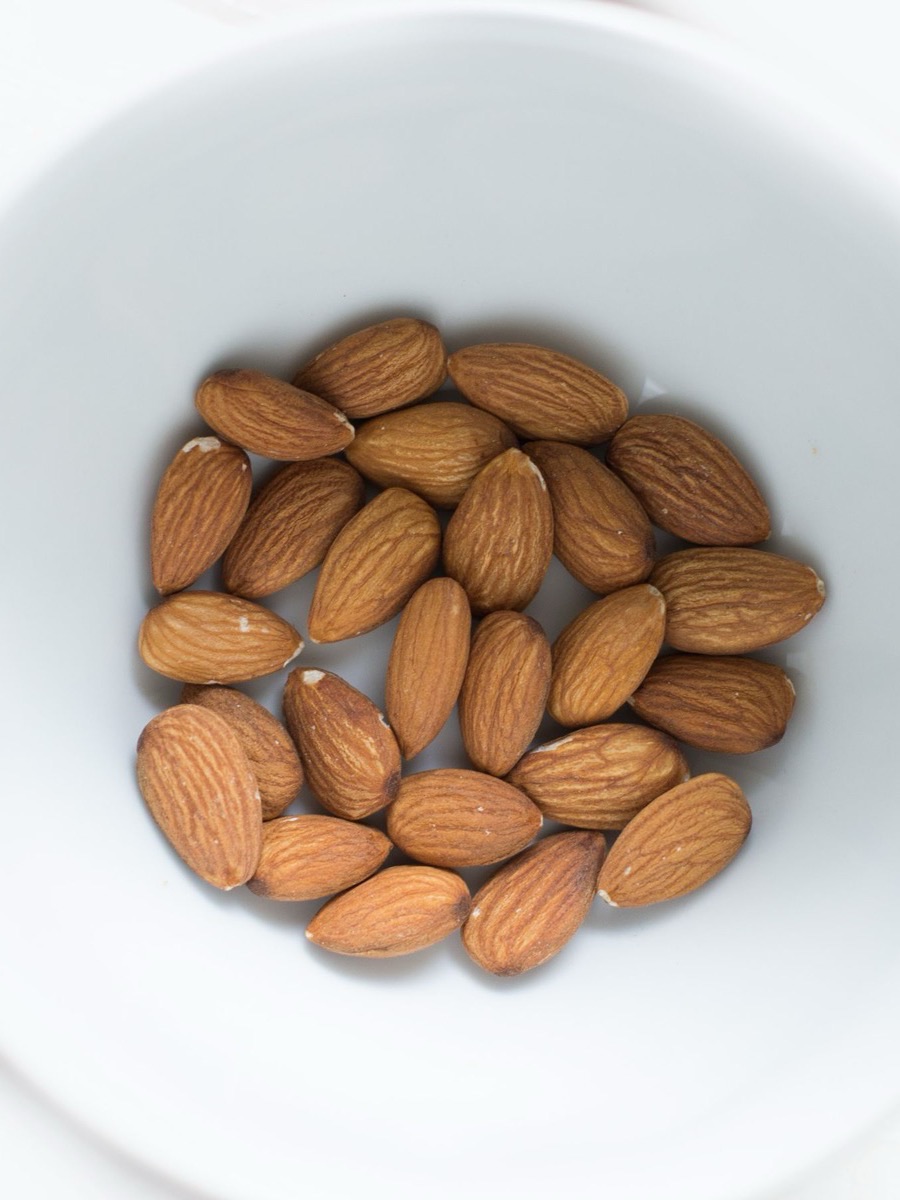
Sweet almond oil is a familiar base for massage oils: pale straw-colored to nearly colorless, mild in odor, rich in oleic and linoleic acids (CIR 2017). In a massage, what the oil does at cosmetic level is help the hands glide over the skin and leave the skin softer — CIR (1983) describes the oil as an emollient with light occlusion that is absorbed slowly through intact skin. The safety record is fairly complete: CIR concluded it was safe in 1983 and re-reviewed it in 2005 and 2017; the neat oil was neither irritating nor sensitizing in a repeated patch test on 52 people. Evidence for benefits is limited: a 2026 review (4 randomized trials, 671 women) concluded that sweet almond oil was not effective in preventing stretch marks, and the newborn data all come from infants in hospital. So this page makes no promise about stretch marks and does not position the product for babies. Unlike the general massage oil page (several base oils, essential oils for spas), here almond oil is the named ingredient, so the formula must plan for three things specific to it: the right raw material (sweet almond, not bitter almond or apricot kernel oil), oxidative stability, and labeling for people with tree-nut allergy. Butter-C offers turnkey OEM/ODM manufacturing, from formula development and testing to labeled finished goods and the notification dossier.
Formula base
Sweet almond oil as the named ingredient, blend oils to tune glide
An almond massage oil is an anhydrous (water-free) blend, so no emulsifier system is needed except in the rinse-off format. Anhydrous formulas usually contain no preservative (formulation practice); a conclusion of low microbiological risk needs a written ISO 29621 assessment in the safety file, because wet hands or hands with cream on them can bring water into the bottle.
Sweet almond oil
INCI Prunus Amygdalus Dulcis Oil (CAS 8007-69-0), expressed or extracted from sweet almond kernels; oleic 62–86%, linoleic 20–30% (CIR 2017). The grade available in our ERP is refined. The CIR 2017 survey (Table 6, 2010 data) lists 0.001–77% in leave-on products — US market practice, not a limit; among finished products patch-tested (CIR 2017, Table 11) was a 15% massage oil (107 people), a group of tests concluded non-irritating and/or non-sensitizing. Not listed in ASEAN Annexes II, III, VI or VII.
Blend oils and esters
Caprylic/capric triglyceride, jojoba oil and high-oleic sunflower oil adjust viscosity and working time; isopropyl myristate and coco-caprylate/caprate reduce greasiness and leave fewer oil marks on towels (formulation experience). Every added oil means rechecking the oxidative stability of the whole blend.
Antioxidant
CIR (1983) notes that sweet almond oil autoxidizes like other fatty oils, faster at higher temperature; peroxide and acid values changed clearly after 10 weeks at 20–28 °C, and antioxidants increased stability considerably. Tocopherol goes in as soon as the oil phase is blended; the level follows the TDS and stability testing.
Fragrance (optional)
Fragrance-free is a sensible default for an oil left on a large skin area. If fragrance or essential oils are added: low levels per the supplier's IFRA certificate. ASEAN Annex III leaves entries 67–92 blank, so there is no mandatory fragrance-allergen list; goods for the EU name these substances above 0.001% in leave-on products, based on the fragrance COA.
Key technical points
Right raw material, oxidative stability, tree-nut allergy and slipping
The four points below are where an almond massage oil differs from a massage oil built on several base oils; each is settled with raw-material documents and testing on the sample.
Sweet almond, not bitter almond or apricot kernel oil
Bitter almond contains amygdalin, a glycoside that releases hydrogen cyanide on hydrolysis; in sweet varieties, two genes for the first step of amygdalin synthesis are not expressed or only at very low levels (Thodberg 2018). “Hydrogen cyanide and its salts” is in ASEAN Annex II (prohibited), Ref 111. Apricot kernel oil (Prunus armeniaca) is in the same genus but a different species, with 29–33% linoleic acid (CIR 2017) — a different INCI and a different dossier. The COA must state species and plant part: sweet almond kernel.
Refined or cold-pressed
Deodorization during refining also removes some tocopherols, sterols and minor components (CIR 2017). CIR notes that people with food allergy to a plant rarely react to the refined oil of that plant; even so, we have not found published data on residual protein in almond oil, so we do not write “hypoallergenic”. Cold-pressed oil is used only when the supplier confirms the process and provides a full COA.
Rancidity and towel stains
Peroxide and acid values are monitored at receipt and at stability time points; prolonged heating during blending is limited (oxidation speeds up with temperature, CIR 1983); bottles are airtight, light-protective, with little headspace. CIR 1983 gives a solidification point of about −20 °C, so the oil does not usually set in the bottle the way coconut oil does (inferred from the data; cold testing is still done when other oils such as jojoba are blended in).
Slipping and hygiene of shared bottles
Oil spilled on floors or massage tables makes them slippery — the label carries a reminder, and a metered pump is preferred. In a neonatal intensive care unit, the outbreak strain of Staphylococcus capitis was found in an oil sample from the almond oil bottles assigned to the beds with the most cases (Gras-Le Guen 2007) — a hospital setting, but a reason Butter-C recommends pumps over pour bottles and microbiological testing of every lot. This is practical guidance, not an ASEAN annex requirement.
Three formulation directions
Three formats of almond massage oil
Fragrance-free sweet almond
Almost only refined sweet almond oil and tocopherol: medium glide, long working time, a clear “one-ingredient” story. CIR 1983 found the neat oil non-irritating and non-sensitizing in a repeated patch test on 52 people; a near-neat level is still above the top of the CIR 2017 survey (77%), so the PIF safety assessment considers this level separately.
Dry-touch almond – jojoba
Almond oil as the main oil with jojoba oil, caprylic/capric triglyceride and light esters: absorbs gradually at the end of the session, low shine, suits hot and humid climates; a lightly scented version is possible.
Rinse-off almond
An oil-soluble emulsifier system is added (for example PEG-20 glyceryl triisostearate, or polyglyceryl esters for a PEG-free version — neither is in our ERP yet, sourced per order): with water it turns milky, rinses off skin and washes out of towels. Ethoxylated ingredients need a 1,4-dioxane COA; clarity is tested at low temperature.
Packaging is planned with the formula
Large pump bottles for spas, small pump or press-cap bottles for retail; dark or light-protective plastic or glass; wide-mouth pour bottles are avoided.
Parameters we monitor
What our R&D team measures on every sample
Below are the parameters Butter-C monitors during formula development and scale-up to production. Specific limits are agreed with you on the approved sample and then written into the product's in-house specification.
- Raw-material identity
- COA for each lot: species and plant part (sweet almond kernel), refined or cold-pressed, fatty acid profile, iodine value; helps detect blending with other oils.
- Peroxide value, acid value
- Measured on the raw material at receipt and on the finished product at stability time points; finished-product limits are set from the formula's own stability data.
- Raw-material impurities
- The incoming specification covers heavy metals and pesticide residues (CIR 2005 reminds manufacturers to limit these in plant-derived ingredients); specific levels are set in the supplier contract.
- Odor, color, clarity
- Compared with a reference sample at room temperature, 40 °C, with and without light, and at low temperature; watching for rancid odor, haze, sediment.
- Viscosity and skin feel
- Measured at 25 °C; therapists test glide, working time, final greasiness and oil marks on towels.
- Emulsifying ability (rinse-off format)
- Oil turns milky with water, cleanliness after rinsing, clarity while anhydrous.
- Microbiology
- Tested at a GLP / ISO 17025-accredited laboratory; written ISO 29621 microbiological risk assessment for the anhydrous system.
- Packaging compatibility
- Pump leakage, plastic softening, fragrance loss when scented.
Claims
Claims at the level of massage glide and softer skin
Almond oil is often marketed around stretch marks, babies and pregnancy — areas where the evidence does not support the claim or that fall outside cosmetics. Butter-C reviews the wording on the label and in marketing materials when preparing the notification dossier.
Helps the hands glide during massage, softens skin
Instead of: relief of muscle or joint aches, “boosts circulation” — drug-like claims.
Moisturizes, helps skin feel less rough
Instead of: “restores the skin barrier”, or citing data from preterm infants in hospital (Caglar 2020, 90 infants) as a benefit — that is care in a medical setting.
Contains sweet almond oil
Instead of: “prevents or fades stretch marks” — a 2026 review (4 randomized trials, 671 women) concluded sweet almond oil was not effective in preventing stretch marks; the positive 2012 result belonged to BITTER almond oil combined with massage.
Not positioned for babies or pregnancy
Instead of: “safe for newborns”, “safe in pregnancy”. A retrospective study in Italy found an unconfirmed signal between daily almond oil application and preterm birth (OR 2.09); a baby line follows the baby massage oil page.
Labeling for people with tree-nut allergy
Instead of: “hypoallergenic”, “gentle for every skin type”, or “non-comedogenic” before testing on the finished product. A 5-month-old infant with atopic dermatitis became sensitized to almond, thought to be through the skin from applied oil (Guillet 2000). ASEAN Annex III has an entry only for peanut oil (Ref 322, peanut proteins max 0.5 ppm), none for almond; the INCI name on the label is what allows people with allergy to recognize it, and a line such as “contains almond oil (nut origin)” can be added.
Label reminders
For external use only; do not use around the eyes, on mucous membranes or broken skin; patch-test on a small area first; stop if redness or itching occurs; people allergic to almond or tree nuts and pregnant women should ask a doctor before use; oil makes floors slippery, wipe up spills. This is practical guidance; final label text is agreed with you.
Manufacturing specifications
Current capabilities
- Texture
- Clear liquid oil, dry-touch oil, or rinse-off oil with emulsifier.
- Pack formats
- Large pump bottles for spas, pump bottles, press-cap bottles. Volume agreed when packaging is selected.
- Minimum order quantity
- Agreed per order — depends on formula direction and pack format.
- Testing
- Tested at a GLP / ISO 17025-accredited laboratory; a certificate of analysis is supplied with every lot.
- Dossier
- Product Information File (PIF) and notification dossier prepared by Butter-C, with an almond oil COA stating species, plant part, refined or cold-pressed, and fatty acid profile.
- Packaging
- Label design with INCI names, a tree-nut allergy reminder and a slip warning; printing and packing run in parallel with formula work.
Suggested product concept
Fragrance-free sweet almond – jojoba massage oil for spas
A product concept to help you picture the possibilities, not a ready-made product for sale. The actual formula is developed to match your brand positioning and price range.
Refined sweet almond oil
The named ingredient, most of the formula; medium glide, mild odor.
Jojoba oil
Reduces greasiness at the end of the massage; level set by sensory and cold testing.
Tocopherol, fragrance-free
Antioxidant for the oil phase; no fragrance so it suits many clients, including those who dislike scent.
500 ml pump bottle
Spa format; label with INCI names, “contains almond oil (nut origin)” and a slip reminder.
Customization options
What you can specify
The same product type can serve very different customer groups depending on the brand. Tell us your requirements in the areas below and our team of pharmacists will develop a matching formula.
Type of almond oil
Refined (available in our ERP) or cold-pressed (sourced per order, process confirmation needed).
Format
Fragrance-free original, dry-touch, or rinse-off with emulsifier.
Blend oils
Jojoba, MCT oil, high-oleic sunflower, dry esters; every added oil means rechecking oxidative stability.
Scent
Fragrance-free, or a light scent with fragrance allergens declared for the target market.
Sales channel
Spas (large bottles, pumps) or retail for home use (small bottles, more detailed directions).
Ingredient direction
Free of mineral oil, silicones or PEGs — please tell us at the start so suitable raw materials are chosen.
Further reading
Related topics
Sweet almond oil (Prunus Amygdalus Dulcis) in cosmetics
How it differs from bitter almond, evidence on stretch marks, newborn skin, tree-nut allergy and ASEAN regulation (in Vietnamese).
Massage oil manufacturing
The general page: blends of several base oils, essential oils and massage oil formats for spas.
Baby massage oil manufacturing
A separate line for babies: light oils, no strong essential oils, caution with nut oils such as almond.
Belly oil for pregnancy manufacturing
A moisturizing belly oil whose claims do not revolve around stretch marks.
Choosing oils in formulation
Oxidative stability, peroxide value and acid value of each oil group (in Vietnamese).
How we work
From idea to finished batch
Eight steps and three milestones signed off by both sides: approved sample, notification number, finished batch. Step-by-step details (in Vietnamese) →
Get started
Tell us about the product you plan to launch
Send us your product direction and expected volume. Our team will get back to you during business hours (Vietnam time, GMT+7).
Head office: Huu Le village, Dai Thanh commune, Hanoi · Factory: Thanh Oai Industrial Cluster, Binh Minh commune, Hanoi, Vietnam
Hotline +84 967 176 511 · [email protected] · Privacy policy ← Full catalog