 BUTTER-C
Skin tags: how to recognize them and why not to cut them off
Small, soft growths of skin on the neck or in the armpits are very common and mostly harmless. Understanding what they are associated with, and why a doctor should remove them instead of you cutting them off or tying them off with thread, helps you avoid infection, bleeding and missing another lesion.
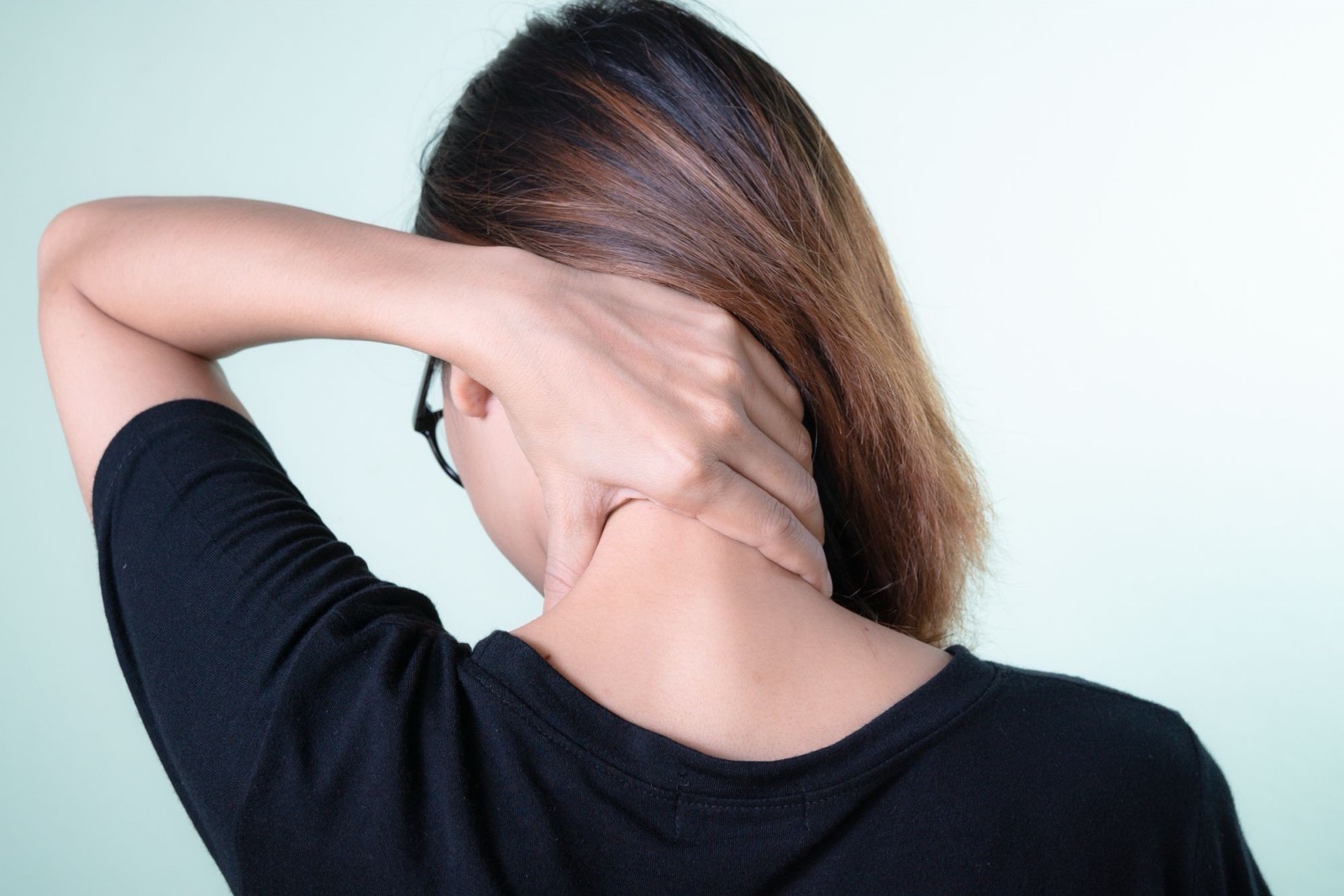
Skin tags (medical name: acrochordon) are small, soft growths, skin-colored or darker, that look as if they hang off the skin. According to the UK National Health Service (NHS), skin tags are very common, usually small and harmless. StatPearls (Pandey and Saleh) notes that about 50–60% of adults have at least one skin tag during their lifetime, and the likelihood of developing them increases after age 40.
This article is compiled from the NHS, the American Academy of Dermatology (AAD), DermNet and published studies; it is not intended for self-diagnosis.
1. What skin tags are
- Nature: DermNet describes a skin tag as a soft, benign lesion, also called a fibroepithelial polyp or soft fibroma. Inside are loosely arranged collagen fibers and blood vessels, surrounded by a layer of epidermis.
- Shape and color: some hang on a small stalk, while others are firmly attached to the skin; they are skin-colored, darker or pink, and can turn red when irritated (AAD).
- Size: usually about 1–5 mm, rarely up to 1–2 cm (StatPearls); the NHS gives a range from about 2 mm to 5 cm.
- Sensation: usually painless (NHS). A skin tag can catch on clothing or a necklace; constant rubbing sometimes makes it bleed or itch (StatPearls).
2. Where skin tags usually grow
According to the AAD, skin tags usually appear where skin rubs against skin, jewelry or clothing over a long time: the folds of the neck, the armpits, the groin, the eyelids and under the breasts. They are also common on the sides of the trunk, the abdomen and the back (AAD), or around the buttocks (NHS).
3. Related factors: an association is not a cause
The cause of skin tags is not well understood (DermNet). DermNet lists factors that may play a role: friction from skin rubbing against skin; high levels of growth factors, especially during pregnancy or in acromegaly; insulin resistance; and human papillomavirus (HPV).
According to the AAD and the NHS, people more likely to have skin tags include: people who are overweight, have obesity or have skin folds that rub together; pregnant women (the NHS attributes this to hormonal changes); people with type 2 diabetes (the NHS suggests the hypothesis that severe insulin resistance makes more skin tags grow); and people with metabolic syndrome or with blood relatives who have skin tags (AAD).
What the studies say
- Case-control study in Turkey (Şenel et al., 2023): 110 people with two or more skin tags were compared with 110 controls matched for age and sex. After fasting blood glucose testing and an oral glucose tolerance test, 56 people in the skin-tag group and 10 people in the control group were diagnosed with diabetes, a statistically significant difference; the rate of impaired glucose tolerance (13% in the skin-tag group, 9% in the control group) did not differ significantly. On average, the skin-tag group had higher fasting blood glucose, total cholesterol, LDL cholesterol, triglycerides, liver enzymes and blood pressure, and lower HDL cholesterol. The study received funding from a pharmaceutical company (according to PubMed).
- Prospective cohort study of pregnant women in Israel (Ilatov et al., 2025): 62 pregnant women with diabetes during pregnancy were compared with 58 pregnant women without diabetes. Skin tags were more common in the diabetes group, a statistically significant difference. In multivariable analysis, diabetes during pregnancy and maternal age were each independently associated with having many skin tags.
Both studies had relatively small sample sizes; the study of pregnant women was conducted at a single center. The results show an association; they do not prove that skin tags cause diabetes or the other way around, and having skin tags does not mean that a person has diabetes. Even so, the AAD advises people with many skin tags to ask a doctor whether they should be tested for diabetes. Other signs to watch for are covered in the article skin in people with diabetes.
4. Telling skin tags apart from other lesions
According to DermNet, seborrheic keratoses, viral warts and molluscum contagiosum can look like skin tags. The AAD notes that people may mistake warts, or even skin cancer, for skin tags. The table is only a rough guide; diagnosis is a matter for a doctor.
| Lesion | Common features | Further reading |
|---|---|---|
| Skin tag | Soft, skin-colored or darker, looks as if it hangs off the skin; common in skin folds (NHS, DermNet) | This article |
| Wart | Common on the hands and feet; mostly firm, raised, with a rough surface (NHS) | Warts |
| Mole | Usually on sun-exposed skin; usually a different color from the skin (pink, tan, brown or dark brown); usually flat, round or oval (NHS) | Moles: when to see a doctor |
| Seborrheic keratosis | Can look like a skin tag (DermNet) | Seborrheic keratosis |
| Milia | Small keratin-filled cysts, pearly white bumps just beneath the skin surface; common on the eyelids and cheeks (DermNet) | Milia |
5. Why you should not cut them off, tie them off with thread or use skin tag “removal” products yourself
The NHS advises against removing skin tags yourself unless a GP (general practitioner) has advised you to; the risks include infection, bleeding and scarring. Tying a thread around the stalk at home is also a form of self-removal. About products sold over the counter to “remove” skin tags or moles at home, the AAD states:
- The AAD does not recommend using these products. According to the AAD, the US Food and Drug Administration (FDA) has not approved any product of this kind and advises the public not to use them; the harms listed by the FDA include skin damage, infections requiring antibiotics, scarring, and delayed detection and delayed management of skin cancer.
- Removal at home can cause a serious infection, or bleeding that cannot be stopped and requires a visit to the emergency room.
- If a growth removed at home is actually skin cancer, tiny cancer cells can remain, multiply and spread deep into the underlying tissue.
- Wart products do not work on skin tags: skin tags are soft, so applying these products can damage the skin, cause irritation or leave scars.
6. Skin tag removal is done by a doctor
Skin tags do not have to be removed (NHS). According to the AAD, removal is needed only when a skin tag is irritated or bleeding, grows on the eyelid and obstructs vision, or causes pain, especially sudden pain; a person may also have skin tags removed for cosmetic reasons.
- Methods: freezing (for example with liquid nitrogen), electrocautery, or cutting with sterile scissors or a scalpel after local anesthesia (AAD; NHS); DermNet also lists tying a thread around the stalk. The doctor chooses the method based on the size and location of the skin tag (AAD).
- After removal: the skin tag usually does not grow back. The area may be left with a scar or darker skin, especially in people with brown or black skin; this change is usually temporary but sometimes permanent (NHS).
- Tissue examination: Eads et al. (1996) reviewed 11,500 consecutive skin pathology reports at a regional laboratory in the United States. Among 1,335 specimens submitted with a diagnosis of skin tag, 5 were malignant tumors; none of the lesions diagnosed as skin tags by dermatologists turned out to be malignant. The authors concluded that the rate of malignancy in this group was extremely low.
7. When to see a doctor
See a doctor when (NHS; AAD):
- A skin tag grows larger, becomes painful, or bleeds;
- A skin tag is often irritated by rubbing against jewelry, clothing or a seat belt, or by shaving;
- One skin tag becomes many; many skin tags appearing suddenly is rare but can be a sign of a problem inside the body (AAD);
- A skin tag on the eyelid affects your vision;
- You are not sure whether it is a skin tag, or the growth changes color, itches or changes in another way. The AAD notes that a mole that grows, itches or changes in any way may be skin cancer.
8. Daily skin care and a formulation perspective
The NHS states that skin tags cannot be prevented. The sources reviewed only describe removal performed by a doctor; none of them shows that cosmetics make skin tags fall off, or states whether weight loss makes existing skin tags smaller. You can limit irritation: choose collars and jewelry that rub less against the skin tag, and shave carefully around it, because the AAD notes that friction and nicks from shaving both irritate skin tags.
From a formulation standpoint, Butter-C does not develop products to “remove” skin tags or make them “fall off.” Removing a growth on the skin is a medical procedure, not a function of cosmetics.
Frequently asked questions
Can skin tags turn into cancer?
The NHS and the AAD describe skin tags as benign, and malignancy is very rare among specimens diagnosed as skin tags (Eads et al., 1996). However, skin cancer can be mistaken for a skin tag (AAD), so a growth that enlarges quickly, changes color or bleeds should be checked by a doctor.
Do skin tags grow back after being cut off?
According to the NHS, skin tags that have been removed usually do not grow back.
Should I worry about skin tags during pregnancy?
Pregnant women are more likely to have skin tags (AAD; NHS), and the skin tags are usually harmless. Ilatov et al. (2025) found that skin tags were more common in pregnant women with diabetes during pregnancy, so tell the doctor monitoring your pregnancy if you notice many skin tags appearing.
References
- Pandey A, Saleh HM. Skin Tag (Acrochordon). StatPearls [Internet]. 2025. PMID 31613504
- Şenel E et al. Acrochordons as a cutaneous sign of impaired carbohydrate metabolism, hyperlipidemia, liver enzyme abnormalities and hypertension: A case-control study. J Eur Acad Dermatol Venereol. 2023. PMID 37622223
- Ilatov E et al. Acanthosis nigricans and acrochordons as clinical markers of metabolic disturbance during pregnancy: a prospective cohort study. Front Med (Lausanne). 2025. PMID 41020239
- Eads TJ et al. The utility of submitting fibroepithelial polyps for histological examination. Arch Dermatol. 1996. PMID 8961875
- NHS. Skin tags. https://www.nhs.uk/conditions/skin-tags/
- DermNet. Skin tag; Milium, milia. https://dermnetnz.org/topics/skin-tag; https://dermnetnz.org/topics/milium
- American Academy of Dermatology. Skin tags: Why they develop, and how to remove them; 5 reasons to see a dermatologist for mole, skin tag removal; Diabetes: 10 warning signs that can appear on your skin. https://www.aad.org/public/diseases/a-z/skin-tags; https://www.aad.org/public/diseases/a-z/mole-skin-tag-removal; https://www.aad.org/public/diseases/a-z/diabetes-warning-signs