 BUTTER-C
Sensitive skin: definition, triggers and choosing cosmetics
Many people describe their skin as sensitive, but the term is often used interchangeably with allergy or irritation. Understanding it correctly helps you choose products more sensibly and know when to see a doctor.
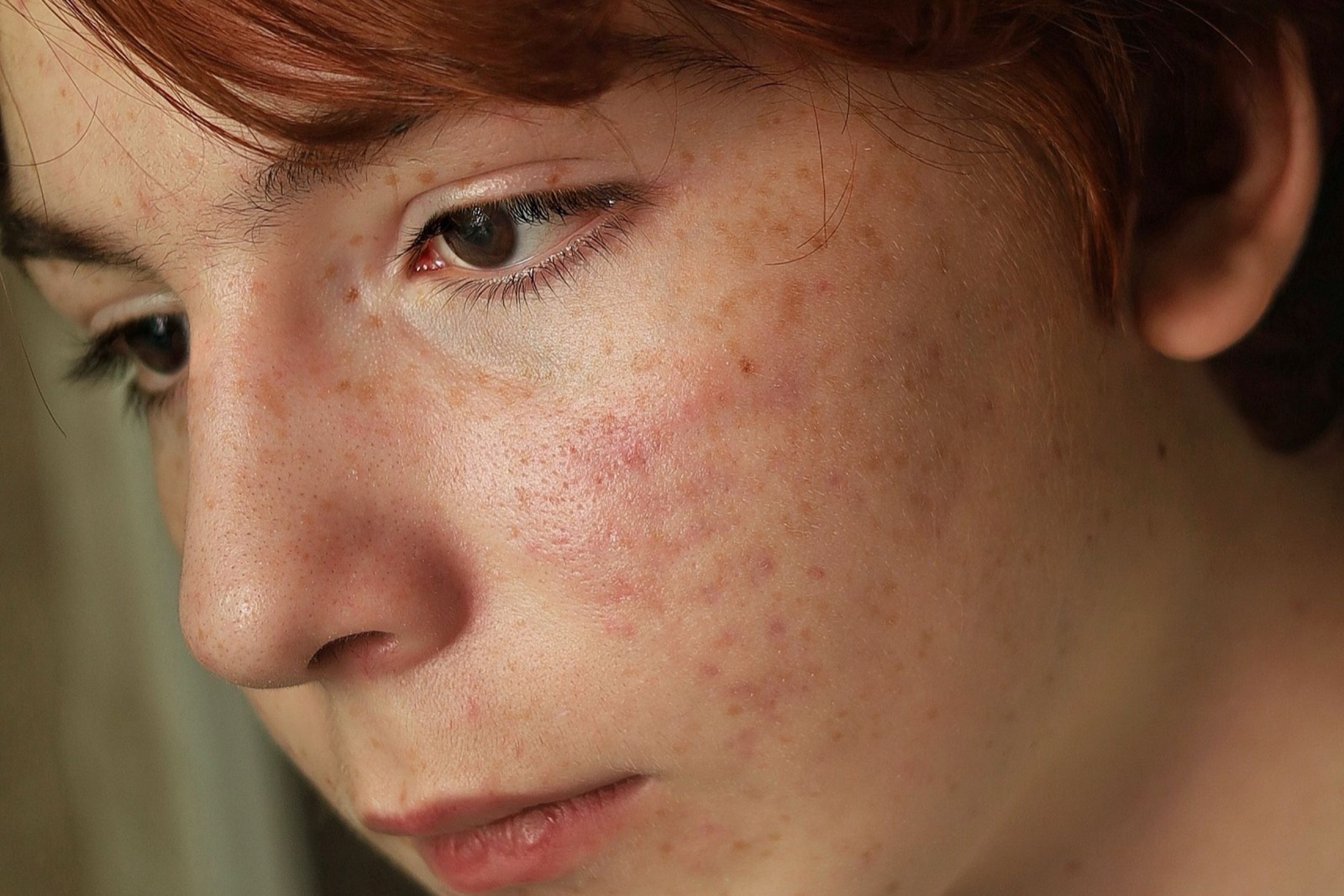
Sensitive skin is a very common complaint when using cosmetics: stinging after applying a moisturizer, burning after washing the face, discomfort whenever the weather changes. The dermatology information site DermNet describes sensitive skin (also called sensitive skin syndrome) as a skin type that is easily irritated and tolerates topical products poorly; it is usually self-reported and can be diagnosed clinically by a doctor after other underlying skin diseases have been ruled out. According to DermNet, sensitive skin is highly prevalent worldwide, reported in about 60–70% of women and 50–60% of men.
This article summarizes the definition agreed on by experts, the mechanisms currently recognized, the triggering factors, how to tell sensitive skin apart from allergy and the principles for choosing cosmetics.
1. Definition of sensitive skin by expert consensus
In 2017, the special interest group on sensitive skin of the International Forum for the Study of Itch (IFSI) used the Delphi method to agree on a definition (Misery et al., 2017). According to it, sensitive skin is a syndrome characterized by unpleasant sensations — stinging, burning, pain, itching, tingling — that occur in response to stimuli that normally do not cause such sensations. These sensations cannot be explained by lesions of a specific skin disease. The skin may look completely normal or show redness; sensitive skin can occur anywhere on the body but most often affects the face.
The key point of the definition: sensitive skin is mainly a matter of sensation. Farage and Maibach (2010) note that the condition is usually self-diagnosed and often comes without visible signs of irritation, but there is growing evidence of measurable physiological changes in this group of people.
2. What happens beneath the surface
The second position paper of the IFSI special interest group (Misery et al., 2020) summarizes current understanding:
- Sensitive skin is not an immune disorder; it is related to changes in the nervous system of the skin — nerve endings react more strongly than normal.
- Skin barrier abnormalities are often present at the same time, but a direct causal relationship has not been shown.
- Psychological factors such as stress or negative expectations may play a role in some people.
Fluhr et al. (2024) describe the stratum corneum as a multilayered barrier in which a “chemosensory barrier,” the microbiome and innate immunity interact; when this coordination is disrupted, the skin can become dry, flaky or sensitive. The full mechanism is still not completely understood. For the structure of the barrier, see the article the skin barrier.
3. Factors that often set off sensitive skin
A systematic review and meta-analysis of 13 studies (Brenaut et al., 2020) found that in most people with sensitive skin, symptoms appear within one hour after exposure to a trigger and can last from a few minutes to a few hours. In this analysis, cosmetics topped the list of triggers.
| Factor group | Reported examples |
|---|---|
| Cosmetics | Skin care products, makeup |
| Physical | Temperature changes, cold, heat, wind, sun, air conditioning, humid or dry air |
| Chemical | Water, air pollution |
| Psychological | Emotions, stress |
Among products applied to the skin, DermNet lists cosmetics, soaps and cleansers, fragrances, alpha hydroxy acids (AHAs) and preservatives as common irritants that make sensitive skin worse; lactic acid (an AHA) is also used in a sting test (the lactic acid sting test) to assess sensitive skin. Reaction thresholds differ from person to person, so a product that suits one person can still cause discomfort for another. The article skin sensations when using actives (in Vietnamese) explains further why this happens.
4. How sensitive skin, irritation and allergy differ
According to DermNet, skin irritation is usually the result of cumulative exposure to several mild irritants. DermNet also lists irritant contact dermatitis and allergic contact dermatitis among the conditions that both need to be distinguished from sensitive skin and can make the skin more sensitive. These two forms of contact dermatitis have different mechanisms, summarized in the table below.
| Feature | Sensory irritation | Irritant contact dermatitis | Allergic contact dermatitis |
|---|---|---|---|
| Mechanism | Nerve endings react; no visible inflammation | The agent damages the skin directly; no prior sensitization needed | The immune system has become sensitized to a specific substance |
| Signs | Stinging, burning, itching; the skin looks normal | Redness, dryness, scaling at the site of contact | Redness, itching, possibly blisters; may spread beyond the area of application |
| What to do | Avoid triggers; choose well-tolerated products | Avoid the agent; moisturize | See a doctor; identify the allergen by patch testing |
In addition, DermNet lists many medical conditions that can present as “sensitive skin”: rosacea, types of dermatitis, urticaria, light-induced skin disorders, among others. So when redness persists or there are visible lesions, do not conclude on your own that it is just sensitive skin. See also the article rosacea.
5. Principles for choosing cosmetics for sensitive skin
The position paper of the IFSI special interest group (Misery et al., 2020) suggests avoiding triggers that can be identified and using well-tolerated cosmetics; the authors also state clearly that the published data are not sufficient to reach a consensus on management, so an individualized approach is needed. From this, a number of practical principles can be drawn:
- Short formulas: fewer ingredients mean fewer substances that could cause discomfort, and make it easier to find the “culprit” when a reaction occurs.
- Fragrance-free: favor products clearly labeled as containing no fragrance.
- Gentle cleansing: a mild cleanser that does not leave the skin feeling tight after washing.
- Regular moisturizing: supports the skin barrier and reduces the feeling of dryness and roughness.
- Caution with actives: exfoliating acids, retinoids and high concentrations of some actives should be introduced slowly and used infrequently.
- Sun protection: sunlight is a trigger; choose gentle textures and test a product before using it on the whole face.
Checklist for trying a new product
- Add only one product at a time.
- Apply a small amount to a limited area of skin (for example, at the angle of the jaw) for a few days before using it on the whole face.
- Write down the product, the time, how your skin feels and the weather conditions.
- Stop immediately if redness, swelling, severe itching or blisters appear.
Guidance on choosing products for each skin type is in the article choosing cosmetics by skin type.
6. When to see a dermatologist
- Persistent redness, papules, pustules, visible blood vessels or swelling.
- A reaction that spreads beyond the area where the product was applied, with blisters or oozing.
- A suspected allergy to an ingredient — the doctor may order patch testing to identify the allergen.
- Symptoms that affect sleep or daily life, or that do not improve even after simplifying your skin care routine.
Misery et al. (2020) note that there are currently no clinical trials supporting the use of medicines for sensitive skin alone; therefore, correctly identifying the skin condition matters more than trying yet more products.
7. A formulation perspective
For product lines aimed at sensitive skin, Butter-C's formulation team considers streamlining the ingredient list, limiting fragrance, choosing gentle cleansing systems and controlling the pH of the finished product. The label “for sensitive skin” should be used only when there are appropriate tolerance assessment data, and the benefits are described as supportive.
Frequently asked questions
Is sensitive skin a fixed skin type?
Not exactly. It is a sensory syndrome whose severity can change with the weather, skin care habits and stage of life; many people improve when they manage to avoid their triggers.
Is a “non-irritating” product guaranteed to suit sensitive skin?
No product suits everyone. Reaction thresholds differ from person to person, so you should still test on a small area of skin first.
Is mild stinging when applying a product a sign that the product is “working”?
It should not be understood that way. Stinging is a signal that the skin is uncomfortable; if it persists or comes with redness, stop using the product.
References
- Misery L et al. Definition of Sensitive Skin: An Expert Position Paper from the Special Interest Group on Sensitive Skin of the International Forum for the Study of Itch. Acta Derm Venereol. 2017. PMID 26939643.
- Misery L et al. Pathophysiology and management of sensitive skin: position paper from the special interest group on sensitive skin of the International Forum for the Study of Itch (IFSI). J Eur Acad Dermatol Venereol. 2020. PMID 31660659.
- Brenaut E et al. Triggering factors in sensitive skin from the worldwide patients' point of view: a systematic literature review and meta-analysis. J Eur Acad Dermatol Venereol. 2020. PMID 31571336.
- Farage MA et al. Sensitive skin: closing in on a physiological cause. Contact Dermatitis. 2010. PMID 20565500.
- Fluhr JW et al. Epidermal barrier function in dry, flaky and sensitive skin: A narrative review. J Eur Acad Dermatol Venereol. 2024. PMID 38140732.
- DermNet. Sensitive skin. https://dermnetnz.org/topics/sensitive-skin