 BUTTER-C
Acne scars: types, the limits of cosmetics and prevention
Acne scars are a lasting mark that inflammatory acne can leave behind. Understanding how scars form helps you set the right expectations for cosmetics, know when a doctor is needed and, most importantly, prevent scarring while acne is still active.
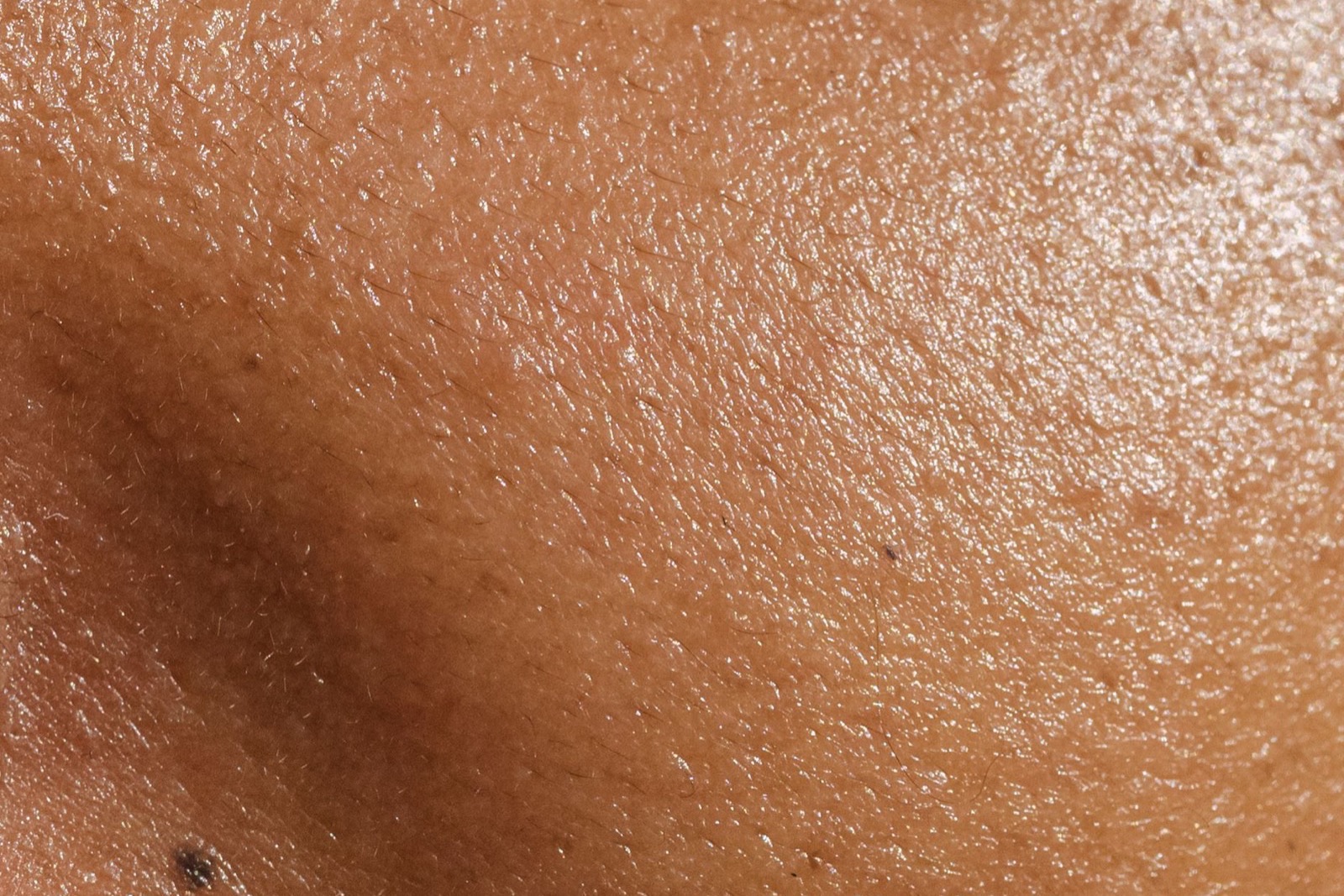
Acne scars are permanent or long-lasting structural changes in the skin after inflammatory acne: depressions (pitted scars) or raised areas (hypertrophic scars, keloids). Unlike marks — which are only discoloration on a flat surface — scars involve damage to collagen in the dermis. According to the American Academy of Dermatology (AAD), acne scars can fade but rarely disappear completely on their own.
This article explains how acne scars form and their types, why cosmetics play only a supporting role, an overview of the groups of medical procedures (only as a general introduction), and what you can do to reduce the risk of scarring. Choosing the approach for each person is the job of a dermatologist.
1. How do acne scars form?
Scar formation is the skin’s normal response as it recovers from a deep injury. In inflammatory acne, the inflammatory process can destroy collagen in the dermis; as the lesion recovers, if the new collagen does not make up for what was lost, the skin is left with a depression — an atrophic scar. Conversely, if collagen is produced in excess, a hypertrophic scar or a keloid forms. Most acne scars are depressed scars (DermNet).
The detailed mechanism of acne scarring is still not fully understood, and several hypotheses have been proposed (Fabbrocini et al., 2010). What is agreed is that the more inflamed, the deeper and the longer-lasting the acne, the higher the risk of scarring. According to the AAD, the risk of scarring is higher when:
- Acne is deep and painful (cysts, nodules).
- A blood relative (parent, sibling) has acne scars.
- You often squeeze, pick or scratch acne.
DermNet adds that scarring is more common in people with moderate to severe acne, and that smoking has been reported to increase the risk of more severe scarring.
2. Types of acne scars
A widely used classification system divides depressed scars into three types: icepick, rolling and boxcar scars — correctly identifying the scar type helps the doctor choose an appropriate approach (Jacob et al., 2001).
| Scar type | Features |
|---|---|
| Icepick scars | Narrow, deeper than they are wide, V-shaped, with sharp edges extending down into the dermis; about 60–70% of depressed scars according to DermNet |
| Boxcar scars | Wider, round or oval, with well-defined edges |
| Rolling scars | Wide, with sloping edges; may flatten out when the skin is stretched |
| Hypertrophic scars | Raised, about the same size as the original acne lesion |
| Keloids | Excessive overgrowth, usually larger than the original lesion; common on the jawline, chest and upper back |
Sources: DermNet; Jacob et al. (2001). In practice, one person often has several types of scars at once, sometimes with discoloration (red or brown). DermNet also notes that keloids and post-inflammatory hyperpigmentation are more common in people with darker skin.
3. Telling scars apart from marks
The AAD explains that when a new acne scar appears, you may see a depression or raised area with discoloration; over time the discoloration usually fades, but the scar structure remains. If, after a pimple clears, you see only a flat colored mark, it is usually not a scar but post-inflammatory hyperpigmentation. Details on red and brown marks are in the article on post-acne marks: PIE and PIH.
This distinction matters because marks can improve with sunscreen and appropriate skin care, whereas scars — a change in the structure of the dermis — need a medical assessment if you want a clear improvement.
4. Why do cosmetics have limits with acne scars?
Cosmetics act mainly on the skin surface. Acne scars, however, are a deficit or an excess of collagen in the dermis, which lies outside the scope of action that cosmetics are permitted to target. Therefore:
- Cosmetics cannot fill depressed scars and cannot flatten raised scars; advertising along the lines of “erases pitted scars” does not fit the nature of the product.
- Cosmetics can help the skin surface look smoother and more even in tone: moisturizing and gentle exfoliation help the surface look brighter and smoother; sunscreen helps keep the skin around scars from becoming darker; foundation and concealer help camouflage scars — DermNet notes that makeup can be useful for covering facial acne scars.
- Cosmetics play a more important role in the prevention stage: helping keep comedones in check, keeping the skin barrier healthy, and not adding irritation while you are using medication as prescribed.
For keloids and hypertrophic scars, silicone gel or silicone sheets are among the measures mentioned in the medical literature (Fabbrocini et al., 2010; DermNet); they should be used as directed by a doctor, because keloids tend to recur and need monitoring. See the silicone scar care gel line.
5. Groups of medical procedures (general introduction)
Reviews describe many groups of procedures, which doctors often combine according to scar type, depth, location, skin type and the patient’s wishes (Connolly et al., 2017; DermNet):
- Resurfacing: chemical peels, dermabrasion, laser, microneedling — aimed at stimulating the skin to renew itself and softening scar edges; several sessions are usually needed.
- Lifting and filling: techniques that add volume beneath depressed scars, or cut the fibrous bands that pull the skin down.
- Excision and grafting: for deep, fibrotic scars.
- For keloids and hypertrophic scars: scar-flattening methods performed by a doctor, with monitoring because these scars tend to recur.
DermNet stresses that active acne needs to be controlled before starting to address scars. Every procedure can have side effects such as redness, hyperpigmentation, infection or further scarring, so procedures should be performed at a medical facility with a dermatologist, after an examination.
6. Preventing acne scars: checklist
According to the AAD, preventing acne is preventing scars: dealing with acne from the first breakouts, while it is still mild, helps keep it from progressing to deep acne — the kind that tends to leave scars. DermNet also considers that timely, appropriate control of acne during its active phase can reduce the frequency and severity of scarring.
- Start caring for acne-prone skin early; do not wait until acne is severe.
- See a dermatologist early if you have deep, painful or cystic acne, or if someone in your family has acne scars.
- Do not squeeze, pick or scratch; limit touching acne — the more inflammation, the higher the risk of scarring (AAD).
- Do not smoke.
- Use sunscreen daily to limit accompanying marks.
- Use gentle products that do not clog pores, especially while using medication as prescribed.
Basic care steps for acne-prone skin are in the article on caring for acne-prone skin; the comedone mechanism is in the article on blackheads and whiteheads.
7. Formulation perspective
With acne scars, a manufacturer’s first responsibility is to state the product’s limits correctly. When developing lines for post-acne skin, Butter-C’s pharmacist team recommends that brand owners focus on what cosmetics can do — helping the skin surface look smooth and even in tone, moisturizing, sun protection — and avoid claims such as “erases scars” or “fills pitted scars”, which belong to the scope of medical procedures.
Frequently asked questions
Do pitted scars fill in on their own over time?
Acne scars can fade, especially the accompanying discoloration, but according to the AAD they rarely disappear completely on their own. A clear improvement in scar structure requires a dermatologist.
Do moisturizers containing retinol or AHA flatten depressed scars?
These actives can help the skin surface look smoother and more even in tone, but they cannot replace the collagen lost in the dermis, so they cannot flatten depressed scars.
When should I start addressing scars?
Once active acne has been controlled. The doctor will assess the scar type and skin type and choose an appropriate approach; in the meantime, focus on preventing new breakouts and using sunscreen.
References
- Jacob CI, et al. Acne scarring: a classification system and review of treatment options. J Am Acad Dermatol. 2001. PMID 11423843.
- Fabbrocini G, et al. Acne scars: pathogenesis, classification and treatment. Dermatol Res Pract. 2010. PMID 20981308.
- Connolly D, et al. Acne Scarring-Pathogenesis, Evaluation, and Treatment Options. J Clin Aesthet Dermatol. 2017. PMID 29344322.
- DermNet. Acne Scarring. https://dermnetnz.org/topics/acne-scarring
- American Academy of Dermatology. Acne scars: Overview. https://www.aad.org/public/diseases/acne/derm-treat/scars