 BUTTER-C
Folliculitis and back acne: telling them apart, causes and care
Red, pus-filled bumps on the back, chest and buttocks are often all called "back acne", but they may be folliculitis with a very different cause. Recognizing them correctly helps you avoid using the wrong products and know when to see a doctor.
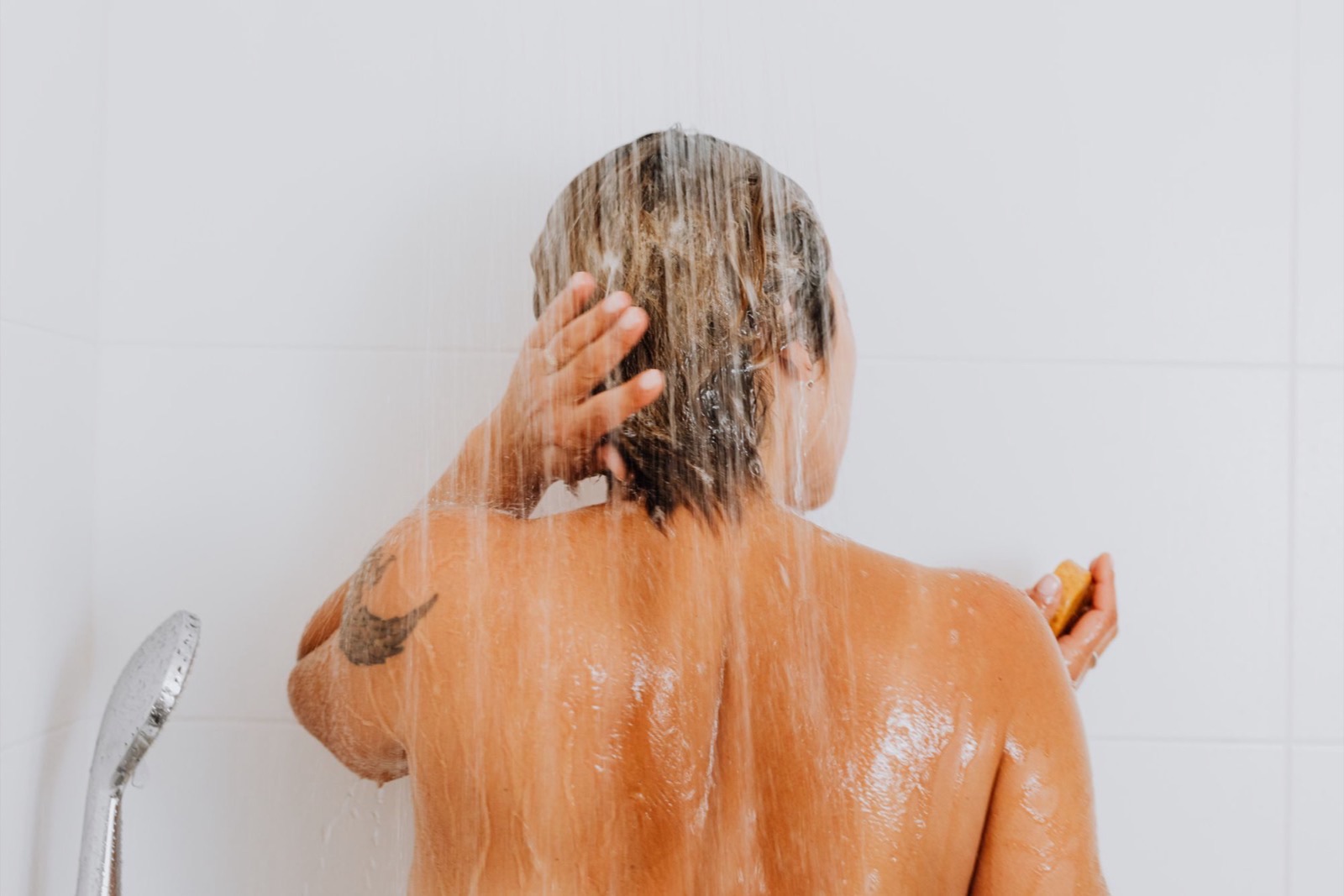
Folliculitis and back acne are two conditions that are often confused because both appear on the back, chest and shoulders as red bumps, sometimes with pus. In fact, according to DermNet, "folliculitis" is a general term for inflammation of the hair follicles from any cause (bacterial infection, yeast, blockage or irritation), and acne itself is also classified in this group. What matters for consumers is recognizing the common forms, because their triggers and care differ.
This article helps with a preliminary distinction, points out favoring factors such as sweat, friction and shaving, and sets out principles for daily care of the skin on the trunk. A definitive diagnosis and prescription medicines are the domain of a dermatologist.
1. Folliculitis: when hair follicles are damaged
The American Academy of Dermatology (AAD) explains that folliculitis usually begins when hair follicles are damaged, allowing microorganisms to get in. Each spot looks like a sudden acne breakout, often with a red ring around it; affected people may feel nothing, or may feel itching or pain. The condition can occur on any hair-bearing skin: the chest, back, buttocks, arms and legs (DermNet).
Common forms
- Bacterial: usually linked to Staphylococcus aureus, a bacterium normally present on the skin. If the lesion extends deep into the follicle, it can become a boil (DermNet).
- After using a hot tub or whirlpool: linked to bacteria that thrive in warm water; the bumps tend to appear on skin covered by a swimsuit, about 12–48 hours after soaking (AAD).
- Caused by Malassezia yeast: see section 2.
- Caused by blockage or irritation: paraffin-based ointments, moisturizers and adhesive dressings can cause non-infectious folliculitis (DermNet).
- Caused by shaving, plucking or waxing: damage to hair follicles in the hair removal area (AAD).
2. Malassezia folliculitis ("fungal acne")
Malassezia is a lipophilic yeast that is part of the normal skin microbiota. Malassezia folliculitis occurs when this benign colonization of the hair follicles becomes symptomatic, with itchy papules and pustules (Henning et al., 2023).
According to DermNet, the condition is common in teenagers and young men, with favoring factors that include a hot and humid climate, oily skin, heavy sweating, occlusion by emollients and sunscreens, antibiotic use and a weakened immune system. Suggestive features are small, uniform, itchy bumps concentrated on the upper back and chest, with no comedones, which helps distinguish it from acne. The condition recurs easily.
Because it resembles acne and bacterial folliculitis, the diagnosis requires a doctor's examination and laboratory tests. An expert group of the European Academy of Dermatology and Venereology recommends that a positive test result be obtained before starting medication (Henning et al., 2023).
3. Acne on the trunk
Acne usually appears in areas with a high density of sebaceous glands, such as the face, upper arms, chest and back; about half of people with facial acne also have acne on the trunk, but most research still focuses on facial acne (Daniele et al., 2023).
A review by Feng et al. (2026) shows that skin on the trunk differs from facial skin: it has a thicker stratum corneum, lower sebaceous gland density and activity, and differences in pH, sweat gland distribution and microbiota, and it is also affected by occlusive clothing and friction. These features are associated with deeper and more extensive lesions; topical products may also penetrate less easily and be harder to use consistently over a large area. The authors (affiliated with a company) suggest that daily skincare may help reduce adverse effects and improve adherence. General principles of caring for acne-prone skin are covered in our article on caring for acne-prone skin.
4. Preliminary comparison table
| Feature | Bacterial folliculitis | Malassezia folliculitis | Acne on the trunk |
|---|---|---|---|
| Appearance | Red bumps around a hair, often with pus at the tip | Small uniform bumps, papules and pustules | Varied: comedones, papules, pustules, possibly deep nodules |
| Comedones | Not typical | Absent | Present |
| Sensation | May be painful or itchy | Prominent itching | May be painful when inflamed |
| Suggestive factors | Shaving, friction, hot tubs | Heat and humidity, sweat, heavy moisturizers | Usually accompanied by facial acne |
The table is for reference only; many cases have overlapping features. Rough, dry, non-inflamed bumps on the back of the upper arms are usually keratosis pilaris, a different condition.
5. Favoring factors: sweat, friction, shaving
The AAD notes that hair follicles are more easily damaged when the skin is hot and damp. Habits that can contribute:
- Wearing tight clothing in hot weather or during exercise; staying in sweaty clothes after a workout.
- Repeated friction: backpacks, straps, skin rubbing against skin, a habit of touching or scratching.
- Shaving, plucking or waxing, especially with unsuitable technique.
- Soaking in a hot tub that is not properly maintained; putting a swimsuit back on before it has been washed and dried.
- Applying heavy, occlusive creams or oils to areas with many hair follicles.
6. Daily care for the skin on the trunk
The following checklist is compiled from AAD and DermNet recommendations, as supportive care:
- Wear loose, breathable clothing in hot and humid weather; change clothes and shower soon after exercise.
- Wash with a gentle body wash, without scrubbing hard on inflamed bumps.
- If you need a moisturizer, choose a light, oil-free texture that is less likely to clog pores (DermNet).
- When shaving, use a shaving gel to reduce friction; if shaving, plucking or waxing is the cause, the AAD advises stopping for 30 days.
- Warm compresses can make you more comfortable: the AAD suggests applying them at least 3–4 times a day, for 15–20 minutes each time.
- Wash swimwear and workout clothes after each use and let them dry completely.
- Do not squeeze or pick pus-filled bumps.
The AAD notes that folliculitis usually clears on its own in people with a healthy immune system once the cause has been stopped.
7. When to see a dermatologist
- Bumps that spread widely, are very painful, swell into boils, or come with a fever.
- The condition does not improve after a few weeks despite changing your habits, or keeps coming back.
- Intense itching with uniform bumps on the back and chest: testing is needed to determine whether yeast is involved.
- Acne on the trunk that leaves dark marks or scars.
- Folliculitis that appears while taking medication, or in people with a weakened immune system.
A doctor will identify the type of lesion correctly and prescribe medicines if needed; you should not use medicines on your own based on word-of-mouth advice.
From a formulation standpoint, products for the skin on the trunk need to balance cleansing, a light feel and ease of consistent use over a large area. Butter-C develops body washes and body moisturizers with textures suited to a hot and humid climate, and recommends that brand owners describe the benefits at the level of "cleanses and helps keep skin unclogged".
Frequently asked questions
Will showering several times a day clear back acne?
Showering after sweating is necessary, but showering too often or scrubbing hard can dry out and irritate the skin. More important is changing out of damp clothes soon and avoiding friction.
Is "fungal acne" contagious?
Malassezia is a yeast that normally lives on everyone's skin; the condition appears when conditions are favorable, not because it is caught from someone else.
Should I apply products meant for acne-prone facial skin to my back?
Do not apply them on your own before the cause is clear, because yeast folliculitis and acne need different approaches. Ask a dermatologist for advice.
References
- DermNet. Folliculitis. https://dermnetnz.org/topics/folliculitis
- American Academy of Dermatology. Acne-like breakouts could be folliculitis. https://www.aad.org/public/diseases/a-z/folliculitis
- DermNet. Malassezia (pityrosporum) folliculitis. https://dermnetnz.org/topics/malassezia-folliculitis
- Henning MAS, et al. Position statement: Recommendations on the diagnosis and treatment of Malassezia folliculitis. J Eur Acad Dermatol Venereol. 2023. PMID 36912427.
- Daniele SG, et al. Truncal Acne and Scarring: A Comprehensive Review of Current Medical and Cosmetic Approaches to Treatment and Patient Management. Am J Clin Dermatol. 2023. PMID 36539678.
- Feng X, et al. Truncal Acne: Pathophysiology, Clinical Features, and Management Strategies. J Cosmet Dermatol. 2026. PMID 41689165.