 BUTTER-C
Camellia seed oil (Camellia Japonica Seed Oil) in cosmetics
Camellia oil, or tsubaki oil, is oil pressed from the seeds of Camellia japonica and a familiar ingredient in hair oils and hair masks. The oil is very rich in oleic acid and fairly resistant to oxidation, but data on its own effects on skin and hair remain limited. This article separates the species, the plant part and the level of evidence so that you can choose the ingredient and word claims at the right level.
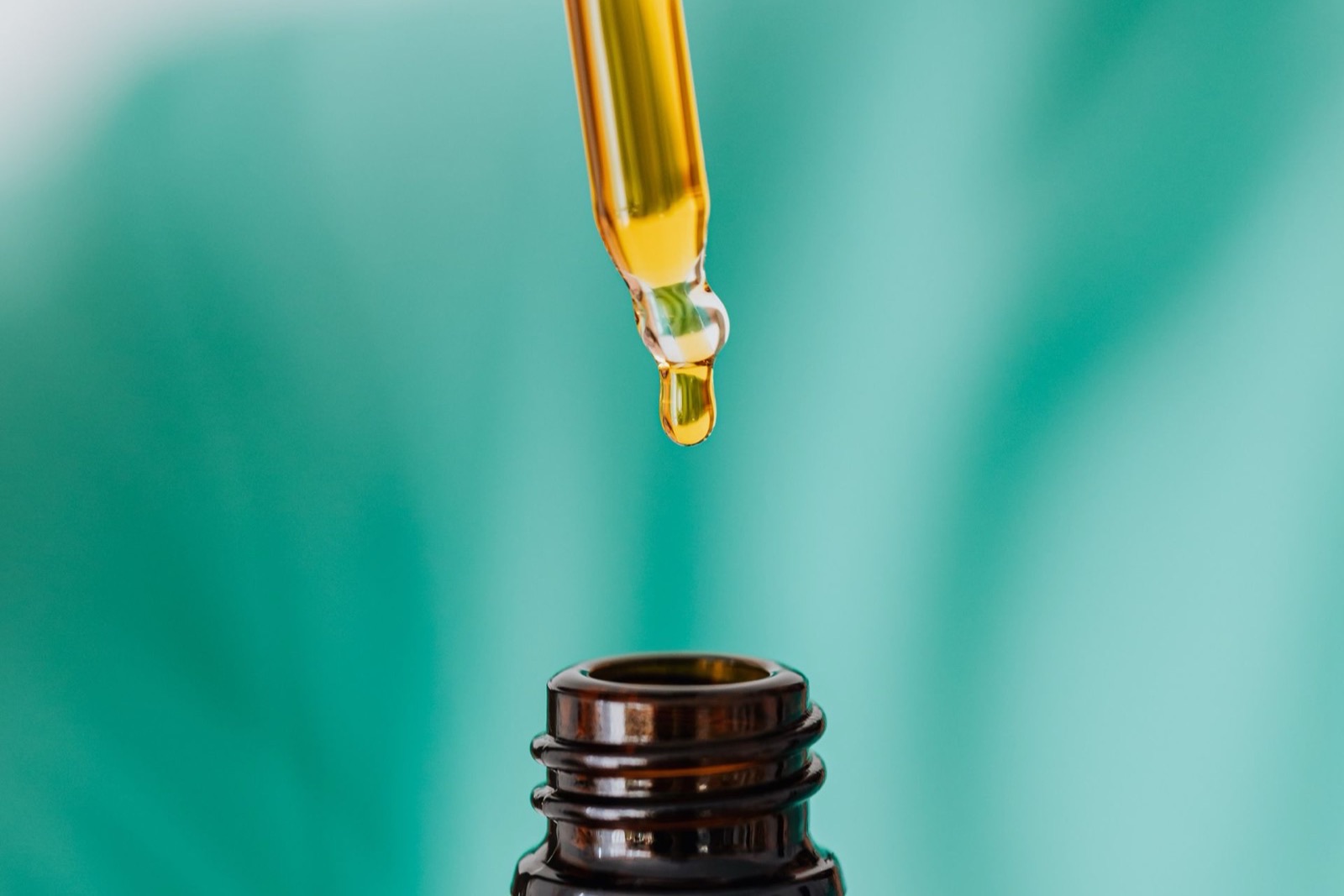
Camellia seed oil (INCI: Camellia Japonica Seed Oil; commonly called camellia oil or tsubaki oil) is a fatty oil pressed from the seeds of Camellia japonica L., family Theaceae. According to CosIng (EU) information as cited by INCIDecoder, this ingredient’s functions in cosmetics are emollient and skin conditioning. Its main components are triglycerides of oleic acid: in three refined oil samples sold in Japan, oleic acid made up on average 86.6% of total fatty acids (Zeng and Endo, 2019).
The US Cosmetic Ingredient Review (CIR) Expert Panel concluded that this oil is safe as used in cosmetics, while data on the effects of this oil itself on skin and hair are still scarce.
1. What is camellia seed oil? How it differs from other “tea oils”
On the market, names such as “camellia oil” and “tea oil” may be used for oils from several species of the same genus, whereas each species and each plant part has its own INCI name. The figures below come from the same study (Zeng and Endo, 2019, Table 4), so they can be compared with one another:
| INCI | Species, plant part | Oleic · linoleic acid (mean) |
|---|---|---|
| Camellia Japonica Seed Oil | C. japonica, seed | 86.6% · 3.0% (3 samples, Japan) |
| Camellia Oleifera Seed Oil | C. oleifera, seed | 80.5% · 8.3% (9 samples, China) |
| Camellia Sinensis Seed Oil | Tea plant C. sinensis, seed | 58.4% · 22.3% (5 samples, China and Japan) |
| Camellia Japonica Flower Extract | C. japonica, flower | Flower extract, not an oil |
Data on C. oleifera or C. sinensis seed oil, or on the flower extract (see the article on camellia flower extract), cannot be used in place of data on C. japonica seed oil. INCIDecoder shows the same CAS number, 223748-13-8, for the INCI names of the species C. japonica, so the certificate of analysis (COA) should clearly state the species and the seed as the plant part.
2. Composition: very rich in oleic acid, low in polyunsaturated fatty acids
- Refined oil (Zeng and Endo, 2019): three commercial oil samples from Japan, all refined, bleached and deodorized. Mean fatty acids: oleic 86.6%, palmitic 7.5%, linoleic 3.0%, stearic 2.1%, linolenic 0.1%; total saturated fatty acids 9.7%. The triglyceride triolein (OOO) accounted for more than 60% of the triglyceride species. Of the vitamin E forms, only α-tocopherol was detected, at 154–254 mg/kg.
- Cold-pressed oil (Salinero et al., 2012): cold-pressed oil from the seeds of trees grown in Galicia (Spain), analyzed by nuclear magnetic resonance. The abstract reports oleic 75.75%, linoleic 6.0%, linolenic 0.17% and saturated fatty acids 18.67%; the results section in the main text, measured on a 750 MHz instrument, reports oleic 80.67% and saturated fatty acids 12.39%.
The composition of plant oils varies with species, origin, pressing method and degree of refining; Zeng and Endo (2019) suggested that the differences in acid value, peroxide value and tocopherols among the samples may be due to processing, refining and storage. The figures above describe only the samples analyzed and are not a raw material specification; rely on the COA for each batch.
3. Mechanism and evidence on skin
Like other plant oils, camellia seed oil forms a lipid layer on the skin surface, helping to soften the skin and limit water evaporation (general background knowledge). The abstract of the 2017 CIR report states, for plant oils as a group, that they are used for their skin-conditioning, occlusive, emollient and moisturizing properties. Data specific to C. japonica seed oil:
| Study | Design | Results (per the abstract) | Notes |
|---|---|---|---|
| Jung et al., 2007 — cell study | Cultured human dermal fibroblasts | The oil activated the promoter of the collagen gene COL1A2 in a concentration-dependent manner, inhibited the activity of MMP-1 (a collagen-degrading enzyme) and increased type I procollagen synthesis | In vitro; does not demonstrate wrinkle reduction in humans |
| Jung et al., 2007 — human study | Transepidermal water loss (TEWL) measured on the forearm before and 1 and 2 hours after application; primary skin irritation test on the upper back in 30 volunteers | The oil reduced TEWL and caused no adverse reactions | The abstract does not state the sample size for the TEWL part, the amount applied or a control group; the authors belong to the research institute of a cosmetic ingredient company |
Conclusion: limited evidence. We have not found any controlled trial measuring skin hydration, elasticity or wrinkles after several weeks of applying camellia seed oil on its own (PubMed search, November 27, 2026). One point to consider: the oil has a high oleic and low linoleic content; the conflicting data on olive oil, also rich in oleic acid, on skin with a weakened barrier (see the article on olive oil (in Vietnamese)) cannot yet be extrapolated to camellia seed oil.
4. On hair: what is known and what is not
Zeng and Endo (2019) note that C. japonica and C. oleifera seed oils are rich in oleic acid and have long been used as hair cosmetics in Japan and as cooking oil in China. However, we have not found any published study measuring the effect of C. japonica seed oil on its own on hair fibers (PubMed and Europe PMC, November 27, 2026).
The closest data concern another species: Marsh et al. (2024) showed that several triglyceride oils, including C. oleifera oil, penetrate the lipid-rich cell membrane complex of the hair fiber and improve fatigue resistance when tested on single hair fibers in the laboratory. This is a hair-fiber experiment, 5 of the 10 authors work for a consumer goods company, and C. japonica oil was not tested. Statements such as “soft, shiny hair” should be based on sensory testing of the finished product itself.
5. Typical concentrations and product types
No established use concentration was found in the sources we were able to read. For the 2017 CIR report, we could read only the abstract on PubMed and the CIR quick reference table, not the use-concentration table in the full text, so we do not cite concentration figures. Choose the use level based on sensory profile, stability and the supplier’s technical data sheet (TDS).
- Hair oils, oil serums: used as part of the base oil (see hair oil manufacturing).
- Hair masks, conditioners, creams: added to the oil phase of the emulsion (see hair mask manufacturing). For oil-in-water emulsions, one study determined the required HLB of C. japonica seed oil to be 5.94–6.30 (Lee and Yoon, 2020); this figure depends on the emulsifier system and method, and should be used only as a starting point, followed by stability testing.
6. Oxidative stability and formulation notes
Hsu et al. (2024) measured the oxidative stability index by Rancimat (120 °C, 9 L/h) for screw-pressed oils from the seeds of six Camellia species grown in Taiwan: C. japonica oil had the highest index when freshly pressed (10.4 hours, compared with 4.3 hours for C. oleifera and 1.5 hours for C. sinensis); after 6 months in glass bottles, in the dark, at room temperature, it was 7.5 hours. The seeds of each species were collected at one location, in the 2022 harvest.
- More stable does not mean it cannot turn rancid: an oil-soluble antioxidant such as tocopherol should still be added, with light-blocking, airtight packaging (see the article on choosing oils in formulation (in Vietnamese)).
- The acid value of the three refined Japanese oil samples was 1.5–1.9 mg/g, higher than the other two species in the same study; the peroxide value was 2.0–6.7 meq/kg (Zeng and Endo, 2019). Limits for these two values should be specified on the COA.
7. Safety: who should take care
- CIR conclusion: the 2017 report (Burnett et al.) assessed 244 plant oils, focusing on effects on the skin because many of the oils are foods and have low systemic toxicity; it concluded that all 244 oils are safe as used in cosmetics. The CIR quick reference table (December 2025) lists Camellia Japonica Seed Oil as “S” (safe in the present practices of use and concentration), citing the 2017 report.
- Irritation, allergy: in the primary irritation test in 30 people (Jung et al., 2007), the oil caused no adverse reactions. A PubMed search on November 27, 2026 found no case reports of contact dermatitis caused by C. japonica seed oil. The absence of reports does not mean “non-allergenic”; people with easily irritated skin should first test on a small area of skin.
- Pregnant women: data are insufficient; consult a doctor.
8. Perspective for brand owners
- Raw material specification: species Camellia japonica, seed as the plant part, cold-pressed or refined, fatty acid composition, acid value, peroxide value, added antioxidants, heavy metals, pesticide residues.
- ASEAN regulations: we searched for “camellia,” “japonica,” “theaceae,” “tsubaki” and CAS 223748-13-8 in Annexes II, III and VI (version 2026-1, June 22, 2026) and Annex VII (version 2025-2, December 12, 2025): there is no entry. The ingredient has no specific concentration limit; the product must still be safe and make claims within the cosmetic scope.
| Acceptable (when evaluated on the finished product) | Avoid |
|---|---|
| Softens the skin, moisturizes, helps make hair soft, smooth and shiny (after sensory testing) | “Boosts collagen,” “erases wrinkles” based on cell studies |
| Contains camellia seed oil rich in oleic acid | “Repairs damaged hair from within” based on data from oils of other species |
| States the correct INCI name, Camellia Japonica Seed Oil | “Non-allergenic,” “safe for pregnant women”; calling C. oleifera oil tsubaki oil |
Butter-C uses camellia seed oil as part of the base oil in contract manufacturing of hair oils, hair masks and hair serums, with an antioxidant in the oil phase, a COA for each batch and sensory evaluation of the finished product.
Frequently asked questions
Is camellia oil pressed from the flowers?
No. Camellia oil is pressed from the seeds, INCI Camellia Japonica Seed Oil. The extract from the flowers is a different ingredient, INCI Camellia Japonica Flower Extract.
Are tsubaki oil and Chinese tea oil the same?
Not entirely. Tsubaki oil comes from the seeds of C. japonica; the tea oil common in China comes mainly from C. oleifera. Both are rich in oleic acid, but their composition and research data differ, so figures for one species should not be attributed to the other.
Does camellia seed oil make hair grow faster or reduce hair loss?
There is no evidence yet. We have not found any study on this oil on its own on hair; cosmetics are also not permitted to claim hair growth.
Can pregnant women use it?
There are not enough data on this oil during pregnancy; consult a doctor before use.
References
- Burnett CL et al. Safety Assessment of Plant-Derived Fatty Acid Oils. Int J Toxicol. 2017. PMID 29243540; Cosmetic Ingredient Review, Quick Reference Table (December 2025), entry Camellia Japonica Seed Oil: https://www.cir-safety.org/sites/default/files/QRT_Update_Dec2025.pdf
- INCIDecoder. Camellia Japonica Seed Oil (CosIng information: definition, functions, CAS), accessed November 27, 2026. https://incidecoder.com/ingredients/camellia-japonica-seed-oil
- Zeng W, Endo Y. Lipid Characteristics of Camellia Seed Oil. J Oleo Sci. 2019. PMID 31178460
- Salinero C et al. ¹H-nuclear magnetic resonance analysis of the triacylglyceride composition of cold-pressed oil from Camellia japonica. Molecules. 2012. PMID 22664463
- Jung E et al. Effect of Camellia japonica oil on human type I procollagen production and skin barrier function. J Ethnopharmacol. 2007. PMID 17386986
- Hsu FL et al. Characterization of Seven Species of Camellia Oil: Oil Content, Volatile Compounds, and Oxidative Stability. Foods. 2024. PMID 39200538
- Marsh JM et al. Penetration of oils into hair. Int J Cosmet Sci. 2024. PMID 38922913
- Lee YY, Yoon KS. Determination of Required HLB Values for Citrus unshiu Fruit Oil, Citrus unshiu Peel Oil, Horse Fat and Camellia japonica Seed Oil. J Cosmet Sci. 2020. PMID 33413785