 BUTTER-C
Dark circles and under-eye bags: causes and what cosmetics can do
Two people can both have "dark circles" but for different reasons: pigment, blood vessels showing through thin skin, or shadows cast by facial structure. Understanding the cause helps set the right expectations for cosmetics.
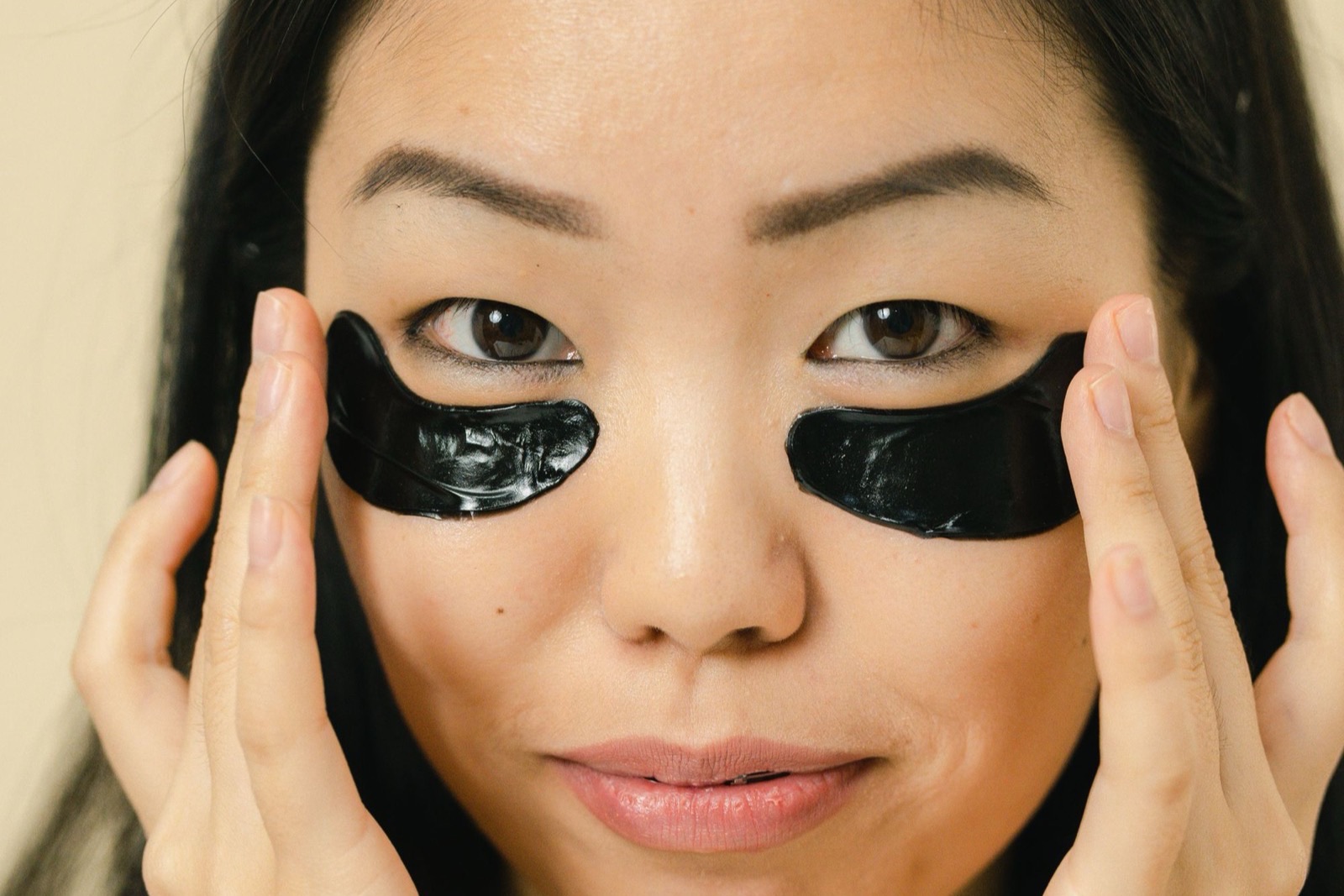
Dark circles and under-eye bags are a very common cosmetic concern that can make the face look more tired and older. According to the review by Park et al. (2018), dark circles under the eyes are a cosmetic concern rather than a medical one, but their definition and causes have not yet been fully clarified. What the authors agree on is that this is a multifactorial condition, and care must be based on the main cause in each person.
This article looks at three groups of causes (pigment, blood vessels and structure), how far cosmetics can help, and when to see a dermatologist.
1. One appearance, many causes
Reviews of the medical literature divide periorbital dark circles into main groups of causes: pigmentary, vascular, structural and mixed (Michelle et al., 2021). Sarkar et al. (2016) list further factors such as genetics, postinflammatory hyperpigmentation due to atopic dermatitis or allergic contact dermatitis, periorbital edema, excessive vascularity, shadowing from skin laxity, and tear troughs that come with age. Vrcek et al. (2016) emphasize that the deep structures of the face, the soft tissues and the skin itself all contribute.
In practice, many people have two or three causes at the same time, so a single product rarely addresses all of them.
2. Pigment-related dark circles
In this type, the skin around the eyes is genuinely darker because of increased melanin, usually with a brown tone. Some common origins:
- Genetic and constitutional factors: dark circles present since childhood, shared by several family members.
- Postinflammatory hyperpigmentation: dermatitis, itching and repeated rubbing in the eye area leave dark marks (Sarkar et al., 2016). The eyelids are a very common site of allergic contact dermatitis to cosmetics, from shampoo, makeup remover and mascara to allergens transferred from the hands to the eyelids (Zirwas, 2019). See also contact dermatitis caused by cosmetics.
- Sunlight: UVA rays, especially long-wave UVA, contribute to skin hyperpigmentation (Bernerd et al., 2022).
This is the group in which cosmetics play the clearest supporting role, through sun protection, reducing irritation and actives that help even skin tone. General principles on skin pigmentation are covered in our article on managing skin pigmentation.
3. Dark circles from blood vessels and thin skin
The skin under the eyes is very thin. When this skin is translucent, the subcutaneous vascular plexus and the blood vessels within the underlying orbicularis oculi muscle show through, creating a blue-violet tone (Park et al., 2018). This type is hard to change with skin-lightening actives because the cause does not lie in melanin.
For this group, cosmetics mainly help at the surface level: moisturizing makes the thin skin look smoother and plumper, and makeup with color-correcting pigments helps conceal the blue-violet tone.
4. Structural shadowing and under-eye bags
Not every dark circle is the color of the skin. Deep tear troughs, protruding fat pads under the eyes (under-eye bags), skin laxity and age-related wrinkles create shadows that make the under-eye area look dark (Park et al., 2018). Periorbital edema also makes this area look puffier and darker (Sarkar et al., 2016).
This is the group in which cosmetics can do very little. According to the systematic review by Michelle et al. (2021), dark circles due to volume loss respond mainly to fillers or autologous fat grafting, while blepharoplasty (eyelid surgery) is the appropriate option when skin laxity is pronounced; all of these are medical interventions.
5. Summary table: causes and the role of cosmetics
| Group of causes | Suggestive signs | Supportive cosmetics | Medical interventions (decided by a doctor) |
|---|---|---|---|
| Pigment | Brown tone, darker than the surrounding skin | Sun protection, reducing irritation, actives that help even skin tone, concealer | Prescription topical medicines, chemical peels, lasers |
| Blood vessels, thin skin | Blue-violet tone on thin skin | Moisturizing, color-correcting makeup | Lasers and other methods |
| Structure | Tear troughs, fat pads, lax skin creating shadows | Limited; mainly covering with makeup | Fillers, fat grafting, eyelid surgery |
Michelle et al. (2021) note that high-quality evidence for these methods is still scarce, so all recommendations should be interpreted with caution.
6. Daily care for the eye area
Vrcek et al. (2016) classify makeup and skincare cosmetics as minimally invasive measures. A sensible routine includes:
- Protecting the eye area from the sun with a gentle sunscreen, combined with sunglasses and a hat outdoors.
- Removing makeup gently, without pulling or rubbing the eye area; choose products suitable for sensitive eyes.
- Limiting eye rubbing, especially when itching due to allergy; see a doctor to address the cause of the itching.
- Moisturizing the eye area with an eye cream of a suitable texture, applied by gentle patting.
- Trying new products cautiously: the eye area reacts easily, so start with a small amount.
- Setting the right expectations: eye creams do not remove fat pads or tear troughs.
7. When to see a doctor
Dark circles on their own are usually not a cause for concern. However, see a doctor if the area around the eyes shows unusual changes or looks clearly different from before, such as swelling or eyelids that are repeatedly itchy, red and scaly (suggesting dermatitis), or if you want to consider medical interventions. The lower eyelids can accumulate fluid because of local causes such as atopy, but also because of systemic fluid retention (Vrcek et al., 2016). A doctor will identify the main cause before suggesting a method, because, as Sarkar et al. (2016) conclude, the aim is to identify and address the underlying cause and the contributing factors.
From a formulation standpoint, an eye cream needs a gentle base, limited fragrance and an assessment of tolerability on thin skin. Butter-C recommends that brand owners describe the benefits of an eye cream at the level of "moisturizes and helps improve the appearance of the skin around the eyes", and avoid promising to remove under-eye bags.
Frequently asked questions
Will getting enough sleep get rid of dark circles?
Lack of sleep is often mentioned, but the medical literature shows that dark circles have many causes, such as pigment, blood vessels and structure. That is why many people who get enough sleep still have dark circles.
Will an eye cream get rid of under-eye bags?
No. Under-eye bags caused by fat pads or lax skin are a structural issue; cosmetics only help soften and smooth the skin and conceal it at the surface level.
Do I need a separate eye cream, or can I use my face moisturizer?
You can use your face moisturizer if it is gentle and does not sting the eyes. Eye creams are usually formulated with a texture and ingredients better suited to thin, sensitive skin.
References
- Sarkar R, et al. Periorbital Hyperpigmentation: A Comprehensive Review. J Clin Aesthet Dermatol. 2016. PMID 26962392.
- Vrcek I, et al. Infraorbital Dark Circles: A Review of the Pathogenesis, Evaluation and Treatment. J Cutan Aesthet Surg. 2016. PMID 27398005.
- Park KY, et al. Treatments of Infra-Orbital Dark Circles by Various Etiologies. Ann Dermatol. 2018. PMID 33911473.
- Michelle L, et al. Treatments of Periorbital Hyperpigmentation: A Systematic Review. Dermatol Surg. 2021. PMID 32740208.
- Zirwas MJ. Contact Dermatitis to Cosmetics. Clin Rev Allergy Immunol. 2019. PMID 30421329.
- Bernerd F, et al. The Damaging Effects of Long UVA (UVA1) Rays: A Major Challenge to Preserve Skin Health and Integrity. Int J Mol Sci. 2022. PMID 35897826.